
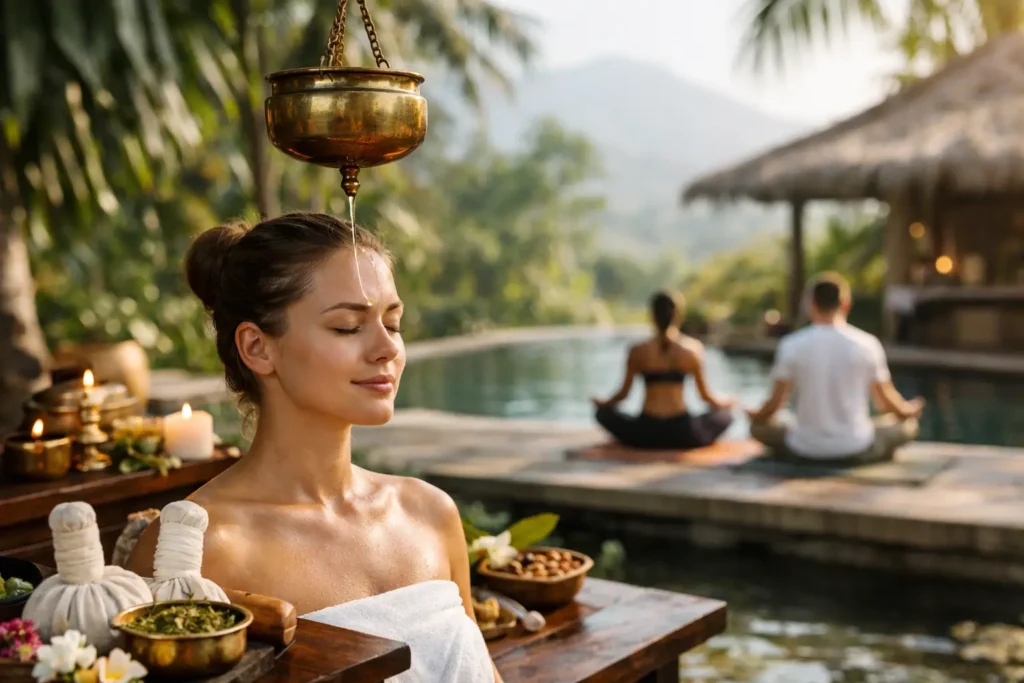
Not every wellness retreat is a good place to begin Panchakarma. If you are already tired, inflamed, overstimulated, or simply unsure what your body can handle, the best panchakarma retreats for beginners are not the most extreme. They are the ones that feel medically grounded, emotionally supportive, and carefully paced from day one.
That distinction matters. Panchakarma is not a spa detox and it is not a trendy reset. In classical Ayurveda, it is a structured cleansing and rejuvenation process designed to remove accumulated imbalance and restore the body’s natural intelligence. For first-time guests, especially those traveling from the US to Kerala, the ideal retreat is one that respects the depth of the tradition while making the experience safe, clear, and manageable.
What makes the best panchakarma retreats for beginners
Beginners need more than a beautiful property and a treatment menu. They need a retreat that starts with proper diagnosis, explains the logic behind each therapy, and adapts the pace to real energy levels rather than pushing a rigid schedule.
The strongest retreats begin with a consultation from a qualified Ayurvedic doctor. That assessment should look at constitution, current imbalances, digestion, sleep, stress load, medical history, and travel fatigue. From there, the program should be personalized. A beginner may need a softer preparatory phase, lighter therapies at first, and a food plan that supports cleansing without creating depletion.
This is also where many first-time travelers get confused. A retreat can be authentic and still be comfortable. In fact, for most beginners, comfort supports compliance. Clean accommodations, quiet surroundings, attentive therapists, and well-coordinated logistics all reduce nervous system stress, which makes healing work more effective.
The retreat styles that suit first-timers best
Not every Panchakarma setting feels the same. Some are highly clinical, with a strong hospital-style rhythm centered on treatment outcomes. Others are retreat-led, combining medical Ayurveda with yoga, rest, nature, and a more spacious daily flow. Neither model is automatically better. It depends on why you are going.
If your primary concern is a long-standing condition, a more treatment-focused center may be appropriate. If you are dealing with burnout, stress dysregulation, poor sleep, mild digestive issues, or the early signs of imbalance, a retreat setting with doctor supervision and supportive lifestyle elements often feels more accessible.
For most beginners, the best fit is a middle path – a center rooted in authentic Kerala Ayurveda, staffed by certified doctors and trained therapists, but also designed to help international guests settle in. That includes help with airport transfers, meal planning, scheduling, and the simple reassurance of knowing what comes next.
10 qualities to look for before you book
The best panchakarma retreats for beginners usually share the same fundamentals, even if the properties themselves are quite different.
1. Doctor-led personalization
Panchakarma should never be one-size-fits-all. A reputable retreat adjusts therapies, duration, herbs, and food according to your constitution and current condition. If the program looks identical for every guest, that is a warning sign.
2. Certified Ayurvedic standards
Look for retreats connected to licensed Ayurvedic doctors, experienced therapists, and recognized operating standards. In Kerala, this often reflects a stronger level of institutional credibility and treatment integrity.
3. A beginner-friendly intake process
Good retreats ask thoughtful questions before arrival. They want to know about your health concerns, medications, diet, energy levels, and travel history. That planning stage is part of the care.
4. Gentle preparation, not shock detox
For beginners, aggressive cleansing is rarely the smartest entry point. The early phase should prepare digestion, calm the system, and build tolerance before deeper elimination therapies are considered.
5. Therapeutic food that is truly customized
Meals are part of the medicine. The strongest programs offer dosha-aware, easy-to-digest food tailored to your treatment stage rather than generic “healthy cuisine.”
6. Space for rest
A packed retreat calendar can work against Panchakarma. You want enough structure to feel held, but enough quiet to let the body integrate treatment.
7. Clear explanations
Beginners should not have to guess what a therapy is for. Retreats that explain the purpose of treatments, diet shifts, and daily routines create trust and reduce anxiety.
8. Emotional steadiness from the team
Cleansing can be physical, but it can also be emotional. A calm, responsive team makes a real difference, especially for guests arriving with burnout or chronic stress.
9. Comfortable, clean accommodations
Luxury is not the goal for its own sake, but comfort matters. Good sleep, privacy, cleanliness, and quiet all support recovery.
10. Thoughtful travel coordination
For international guests, practical support is part of wellness. Airport transfers, on-ground assistance, and clear communication remove friction before healing even begins.
Red flags beginners should avoid
The fastest way to get overwhelmed is to choose a retreat based on aesthetics alone. Photos of coconut groves and treatment rooms can be appealing, but they do not tell you whether the medical side is sound.
Be cautious of retreats that promise dramatic detox in a very short time, skip detailed consultations, or market Panchakarma as a universal cure. Also be wary of properties that blur the line between Ayurveda and generic spa rituals. Oil treatments by themselves are not the same as a properly supervised Panchakarma process.
Another common issue is mismatch. A retreat may be excellent for experienced Ayurvedic patients but too intense for a first-timer. If you are new to this work, ask whether the program is adapted for beginners, whether treatment intensity can be adjusted, and how the team supports guests who are arriving from high-stress lifestyles and long-haul travel.
How long should a beginner stay?
This is one of the most practical questions, and the answer is not always what people expect. Traditional Panchakarma can be extensive, but a first retreat does not need to be maximal to be meaningful.
For many beginners, 7 to 14 days is a realistic starting point, especially when the goal is stress recovery, digestive reset, sleep repair, and gentle cleansing. A longer stay may be recommended for deeper imbalance, but only if the retreat has properly assessed your readiness and can support the full process.
Shorter programs can still be valuable when they are well designed. What matters is that the retreat is honest about what can be achieved in the available time. A credible center will not overpromise.
Why Kerala is often the best place to begin
Kerala remains one of the strongest destinations for authentic Ayurvedic healing because the tradition is not imported there – it is lived, taught, and institutionalized. The climate supports therapies well, fresh herbal preparation is more accessible, and there is a deeper concentration of trained practitioners and established treatment centers.
For beginners, this matters because authenticity is not just cultural atmosphere. It affects the quality of diagnosis, the appropriateness of therapies, and the consistency of care. When a retreat is rooted in Kerala’s Ayurvedic heritage, the experience tends to feel less performative and more clinically coherent.
That said, the best retreat in Kerala is not simply the most traditional on paper. It is the one that can translate that tradition into a well-held experience for you. That may mean a quieter property, more hand-holding with logistics, or a more customized retreat structure that includes yoga, meditation, and restorative downtime alongside treatment.
Choosing the right beginner retreat for your goals
If your main goal is to reduce stress and rebuild energy, prioritize retreats with calming therapies, daily doctor check-ins, nourishing meals, and a peaceful setting. If digestion is your core concern, look more closely at how they approach food, herbs, and elimination therapies. If you are feeling emotionally depleted, choose a retreat that values rest and nervous system regulation as much as treatment volume.
This is where tailored retreat design becomes especially valuable. A curated approach can help match you with the right property, doctor, duration, and level of intensity instead of forcing you into a generic package. For many first-time travelers, that guidance removes the uncertainty that often keeps people from booking the experience they truly need. AYUR YOGA, for example, centers this type of personalized Kerala retreat planning around certified care and practical support, which is exactly what many beginners are looking for.
Panchakarma asks for trust, but it should earn that trust through expertise, safety, and thoughtful pacing. Your first retreat does not need to be perfect. It needs to be appropriate – for your body, your season of life, and the kind of healing you are actually ready to receive.
Choose the retreat that helps you exhale a little before you even arrive. That is often the beginning of the healing itself.