
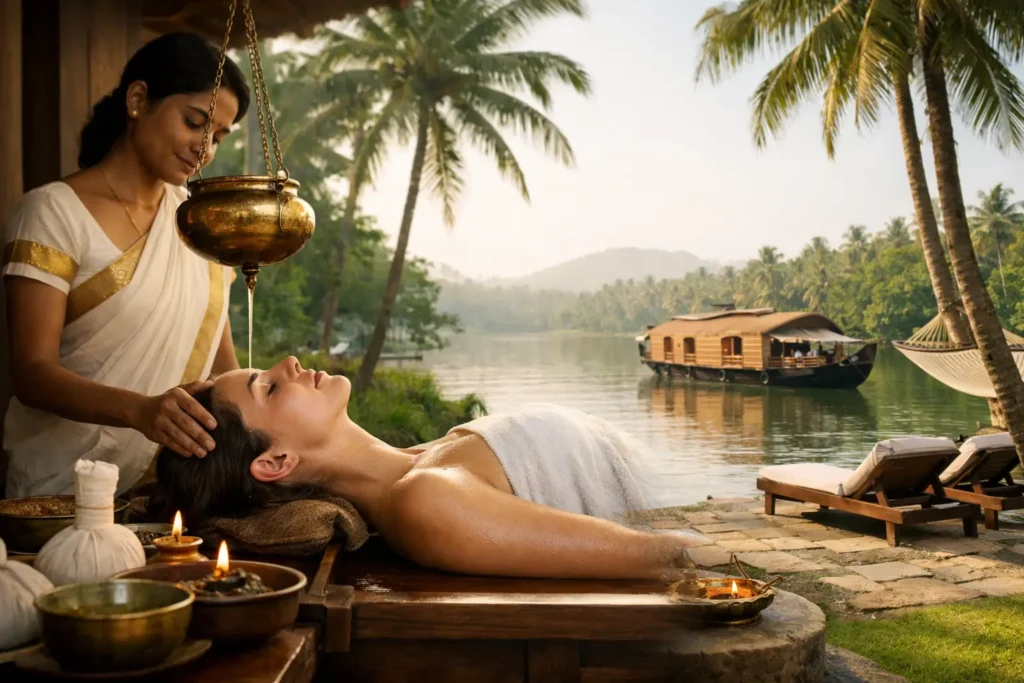
A true panchakarma retreat in Kerala should feel less like a wellness trend and more like entering a system of care that has been practiced, refined, and medically guided for generations. For many travelers, that difference becomes clear only after arrival. The setting may be tranquil, but Panchakarma is not simply about massages, detox juices, or a scenic stay. It is a structured Ayurvedic cleansing and rejuvenation process that works best when it is personalized, supervised, and grounded in authentic Kerala tradition.
That matters because not every retreat marketed as Panchakarma offers the same level of depth. Some programs are restorative but light-touch. Others are medically oriented, with consultation, diagnosis, therapies, diet planning, and daily monitoring by qualified Ayurvedic doctors. Knowing what to look for can make the difference between a pleasant break and a meaningful healing journey.
What makes Kerala the right place for Panchakarma
Kerala holds a unique place in Ayurveda because the tradition is still woven into everyday life, clinical practice, and hospitality. The climate supports therapies that rely on warmth, oil application, sweating, and rest. Fresh medicinal herbs, seasoned therapists, and inherited treatment knowledge are more accessible here than in many other destinations.
Just as important, Kerala has a stronger ecosystem around authentic Ayurveda. Government-recognized centers, experienced vaidyas, and retreat properties built around treatment routines create conditions that support real Panchakarma rather than a simplified spa version. For international guests, especially those traveling from the US, this gives an added layer of reassurance.
What a panchakarma retreat in Kerala should include
Panchakarma is traditionally not a fixed menu. It is a process tailored to the individual after assessing dosha imbalance, digestion, strength, medical history, and current symptoms. That means a high-quality retreat begins with consultation, not with a preassigned treatment schedule.
A well-designed program usually includes an Ayurvedic doctor consultation, daily or regular check-ins, herbal medicines when appropriate, therapeutic bodywork, prescribed internal or external cleansing methods, and a carefully adjusted diet. Yoga and meditation can be valuable supports, especially for stress regulation and mental clarity, but they should complement the treatment plan rather than overshadow it.
The accommodation also matters more than many first-time guests expect. During Panchakarma, the nervous system is asked to soften. Digestion is often lighter. Energy may fluctuate. A retreat environment that is quiet, clean, comfortable, and organized supports the treatment itself. Luxury, in this context, is not excess. It is peace, privacy, and the sense that every detail has been considered.
The role of the doctor is not optional
One of the clearest signs of an authentic program is active medical oversight. Panchakarma is not the kind of therapy that should be delivered as a generic package to everyone who books it. The oils, treatment intensity, meal plan, and duration should be adjusted to the person.
If a retreat cannot explain who the Ayurvedic doctors are, how consultations are handled, or how treatment plans are modified during the stay, that is worth pausing over. A proper retreat should be able to speak clearly about credentials, therapeutic logic, and safety.
How long should you stay?
This is where expectations need to be realistic. A short retreat can be deeply restorative, but full Panchakarma traditionally takes time. If you are traveling internationally and hoping for meaningful cleansing and reset, two to three weeks is often more suitable than a quick five-day visit.
That said, it depends on your goals. Someone recovering from burnout may benefit from a gentler, shorter Ayurvedic retreat with supportive therapies, yoga, and regulated meals. Someone dealing with chronic imbalance, stubborn fatigue, digestive issues, or stress accumulation may need a longer doctor-led program. The best retreats do not overpromise dramatic transformation on an unrealistic timeline.
Short stays can still be valuable
A seven-night stay is not necessarily a poor choice. It can work well as an introduction, especially for guests new to Ayurveda or those combining wellness travel with limited vacation time. The key is honesty about outcomes. Shorter stays are often best framed as preparatory or restorative rather than as full classical Panchakarma.
Questions worth asking before you book
The most polished website is not always the most medically credible retreat. Before confirming a program, ask how treatment plans are personalized, whether doctors are certified, what daily supervision looks like, and whether the property is experienced in hosting international wellness travelers.
You should also ask practical questions that affect the healing experience. Is the food prepared according to Ayurvedic principles and adjusted to your treatment? Are airport transfers and on-ground coordination included? Is yoga gentle and therapeutic, or physically intense? Are there quiet hours, consultation spaces, and enough structure to support rest?
These details may sound small, but together they shape whether the retreat feels safe, held, and coherent.
The difference between spa Ayurveda and real Panchakarma
This is one of the biggest points of confusion for international guests. Many retreats use Ayurvedic language, offer oil treatments, and create a beautiful wellness atmosphere. That can still be beneficial. But real Panchakarma is more specific.
It is diagnostic, progressive, and often disciplined. The food may be simpler than expected. The schedule may revolve around treatment times rather than leisure. Some days you may feel lighter and clearer. Others may feel introspective or physically tired. That is why experienced guidance matters. The process is less about indulgence and more about recalibration.
For some travelers, this structure is exactly what they need. For others, a softer Ayurvedic retreat may be the better fit. There is no single right answer, but there should be clarity before arrival.
Why personalization matters more than property size
Travelers often compare retreats by room category, location, or price first. Those factors matter, especially if comfort and privacy are important to you. But in Panchakarma, personalization usually has greater long-term value than scale or visual appeal.
A smaller, well-curated retreat with strong doctor access and attentive coordination may serve you better than a larger property with a broad wellness menu but less individual supervision. This is especially true if you are arriving with specific health goals, emotional fatigue, hormonal shifts, sleep issues, or recovery needs.
The strongest retreat experiences balance authenticity with thoughtful logistics. That includes everything from treatment planning and meal timing to airport pickup and responsive support before you travel. For many guests, that level of care reduces stress before the healing even begins.
What international guests should expect on arrival
If you are flying from the US, build in space for adjustment. Jet lag, dehydration, and sensory fatigue can affect how you feel during the first couple of days. A good retreat will account for this rather than pushing you into an intensive schedule immediately.
The first consultation usually sets the tone. You may be asked about digestion, sleep, stress, energy, medical history, appetite, elimination, emotional state, and lifestyle patterns. This broader view is one reason Ayurveda resonates with travelers seeking more than symptom management. It looks at the whole pattern, not just one complaint.
At AYUR YOGA, this kind of retreat planning is often what gives guests confidence to travel for care. When treatment credibility, curated stays, and ground support are aligned, the experience feels less uncertain and more restorative from the start.
Choosing the right retreat for your goal
Not everyone comes to Kerala for the same reason. Some guests want deep detoxification. Others want stress recovery, better sleep, lighter digestion, hormonal balance, or a break from constant stimulation. Your reason should shape the retreat you choose.
If your goal is clinical and focused, prioritize doctor-led programming and treatment depth. If your goal is nervous system recovery with comfort, choose a retreat that integrates gentle yoga, meditation, nature, and personalized therapies without overloading the schedule. If you are traveling with a partner or group, ask how the program adapts to different needs within one booking.
The best choice is rarely the most aggressive or the most luxurious on paper. It is the one that meets you accurately.
A retreat should leave you changed in practical ways
The most meaningful Panchakarma experiences do not end at checkout. You should leave with a clearer understanding of your body, better daily rhythms, and practical guidance for food, rest, and routine. That aftercare mindset is often what separates a memorable retreat from one that genuinely supports lasting change.
When you choose a panchakarma retreat in Kerala, look beyond the promise of detox. Look for medical integrity, cultural authenticity, calm surroundings, and a team that understands how to care for the whole journey, not just the treatment hours. Healing tends to go deeper when the experience is both expertly held and personally tailored.
Pingback: Personalized Ayurveda Retreat Kerala Guide – AYUR YOGA
Pingback: Kerala Yoga and Ayurveda Retreat Guide – AYUR YOGA
Pingback: Ayurveda Detox Retreat Kerala: What to Expect – AYUR YOGA
Pingback: Choosing Certified Ayurvedic Doctors in Kerala – AYUR YOGA
Pingback: How to Book a Healing Retreat in Kerala – AYUR YOGA
Pingback: Ayurveda Urlaub individuell gestalten – AYUR YOGA
Pingback: How to Choose Ayurveda Retreat Wisely – AYUR YOGA