
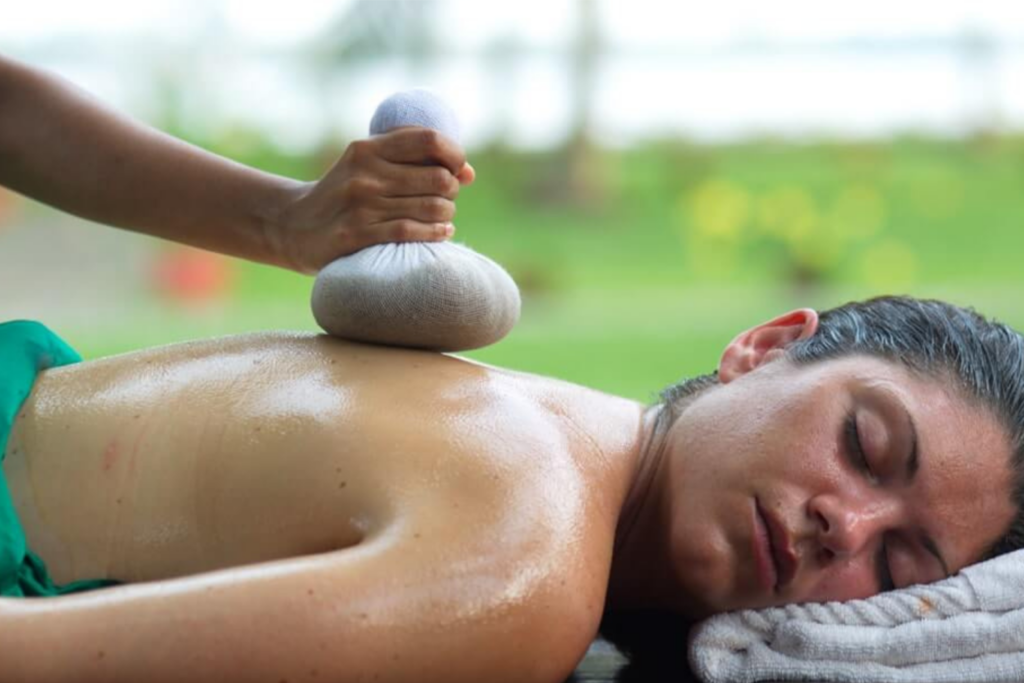
A guest can spend one morning in Kerala and understand, almost immediately, why Ayurveda is popular in Kerala. It is not presented as a trend or a spa add-on. It is woven into daily life, medical practice, food, ritual, and recovery in a way that feels lived-in and credible.
For travelers from the US and other fast-moving parts of the world, that difference matters. Many people arrive looking for stress relief, better sleep, digestive balance, or deeper recovery after years of pushing through fatigue. What they often find in Kerala is something more complete – a place where Ayurveda still has cultural roots, clinical structure, and an environment that supports healing rather than interrupting it.
Why Ayurveda is popular in Kerala goes beyond tourism
Kerala did not become well known for Ayurveda because wellness travel needed a destination. Its reputation comes from continuity. Ayurveda has been practiced here for generations through family lineages, classical training systems, and institutions that treat it as a serious healing science rather than a passing lifestyle idea.
That continuity creates trust. In Kerala, it is common to find Ayurvedic physicians who assess body constitution, current imbalances, digestion, sleep, stress patterns, and chronic complaints before recommending treatment. The process tends to be more personalized and less generic than what many international travelers expect when they hear the word wellness.
This is one reason the state stands apart. In some destinations, Ayurveda is simplified into herbal oil massages and detox language. In Kerala, authentic centers usually begin with consultation, diagnosis, and a treatment plan. That medical foundation is a major reason people travel here specifically, especially when they want more than a relaxing break.
Kerala has the right ecosystem for Ayurveda to thrive
Ayurveda is never only about one therapy. It depends on food, climate, herbs, routine, rest, and careful observation. Kerala supports all of those pieces unusually well.
The tropical climate is often described as favorable for Ayurvedic therapies because warmth helps the body stay receptive to oils, sweating therapies, and cleansing protocols. Humidity can support certain external treatments and make the body less resistant than it might be in colder, drier regions. This does not mean every season is ideal for every person, but it does mean the environment naturally complements many traditional practices.
Kerala is also rich in medicinal plants. Classical formulations depend on herbs, roots, leaves, and oils that have long been cultivated, sourced, and prepared in the region. That close relationship between treatment and local materia medica gives Ayurveda in Kerala a practical advantage. The medicine is not abstract. It is part of a functioning supply chain tied to the land itself.
Then there is the rhythm of life. Healing requires more than procedures. It asks for space, regular meals, better sleep, and less sensory overload. Kerala’s backwaters, coastal air, rain-soaked greenery, and slower pace help create that container. For someone recovering from burnout or nervous system strain, the setting is not cosmetic – it can influence how well they settle into treatment.
Training and tradition give Kerala credibility
Another answer to why Ayurveda is popular in Kerala is professional depth. The state is home to respected Ayurvedic colleges, treatment centers, pharmacies, and long-established healing families. That matters for travelers who want reassurance that their program is grounded in real expertise.
A well-run Ayurvedic stay in Kerala typically includes physician oversight, trained therapists, prescribed therapies, therapeutic meals, and adjustment of the program as the guest responds. If someone arrives with insomnia, inflammation, stress-related digestive issues, or chronic stiffness, the plan may evolve over several days. This is a very different model from booking a fixed menu of spa treatments.
There is also a stronger culture of standards here than many first-time visitors expect. Reputable properties often emphasize doctor credentials, therapist training, hygiene protocols, and government-recognized quality benchmarks. For international guests, especially those investing time and money in a serious retreat, that structure creates confidence.
Of course, not every property offers the same level of authenticity. Some places market Ayurveda beautifully but deliver a diluted version. That is why curation matters. The popularity of Ayurveda in Kerala is justified, but the quality of the experience still depends on choosing a center with certified practitioners, clear treatment philosophy, and proper clinical intake.
Panchakarma in Kerala draws people seeking real reset
If there is one treatment category that has helped shape Kerala’s global reputation, it is Panchakarma. These classical cleansing and restorative protocols are often sought by guests dealing with long-term stress, sluggish digestion, hormonal imbalance, inflammation, or the feeling that their body is simply not recovering well anymore.
Panchakarma is popular in Kerala because the state has both the expertise and infrastructure to deliver it properly. Done well, it is not a quick detox. It involves preparation, internal and external therapies, diet regulation, rest, and close supervision. It also requires realism. Not every guest needs an intensive cleanse, and not every traveler has enough time for a full traditional program.
That is where Kerala’s retreat model works especially well. Strong centers can adapt treatment depth to the guest. A two-week restorative plan may be more appropriate than an aggressive cleanse for someone who is depleted, jet-lagged, and emotionally exhausted. Ayurveda works best when it is individualized, and Kerala has built much of its reputation on that principle.
The food, yoga, and daily routine support the medicine
Many travelers ask why Kerala’s Ayurvedic programs feel more effective than short wellness escapes elsewhere. A big part of the answer is consistency. Treatment is reinforced throughout the day.
Meals are usually designed around digestive support, dosha balance, and treatment goals. They are often simple, fresh, and therapeutic without feeling punishing. For guests used to rushed eating, heavy restaurant food, or constant caffeine, this change alone can be profound.
Yoga and meditation also fit naturally into the Ayurvedic setting. They are not there as lifestyle decoration. Gentle movement, breathwork, rest practices, and mindful routines can support the body’s regulation and improve how a guest responds to treatment. In the best retreats, everything works together – physician consultation, body therapies, herbs, food, stillness, and movement.
That integration is especially valuable for modern professionals. Many people are not looking only to fix one symptom. They want to feel grounded again, think clearly, sleep deeply, and return home with habits that are sustainable. Kerala is well positioned to offer that kind of whole-person reset.
Why international travelers trust Kerala for Ayurveda
For US guests and other international travelers, popularity alone is never enough. Trust comes from experience design. Kerala has spent years developing as a destination where healing and hospitality can meet.
That means guests can find accredited retreat settings, airport access, English-speaking support, customized stays, and structured programs that feel both authentic and manageable. This matters more than people sometimes realize. A healing journey works better when logistics are calm, expectations are clear, and the guest feels cared for from arrival onward.
This is one area where curated retreat companies such as AYUR YOGA add real value. For travelers who want authentic Ayurveda without the stress of researching doctors, comparing standards, and coordinating transport, guided planning can protect both the quality of care and the overall experience.
There is also a cultural fit worth mentioning. Many international guests come to Kerala because they want something more grounded than luxury alone, but more supportive than backpack-style travel. Kerala can offer comfort, beauty, professionalism, and deep tradition at the same time. That combination is rare.
Why Ayurveda remains so relevant now
The modern appeal of Ayurveda in Kerala is not hard to understand. People are tired, overstimulated, and often disconnected from their bodies until symptoms become impossible to ignore. They are looking for systems that ask better questions: How are you sleeping? How are you digesting? What is your energy like in the afternoon? What happens to your mind when you finally stop?
Ayurveda has stayed popular in Kerala because it still responds to those questions in a structured and human way. It does not promise the same outcome for everyone. It looks at constitution, lifestyle, season, and resilience. For some guests, the greatest shift is physical relief. For others, it is emotional steadiness or the unfamiliar experience of feeling rested.
That is what keeps Kerala at the center of the Ayurveda conversation. Not just heritage, and not just scenery, but a rare alignment of tradition, clinical depth, natural setting, and personalized care. If you are considering an Ayurvedic retreat, Kerala makes sense not because it is famous, but because the healing culture there still feels intact.
Pingback: Kerala Yoga and Ayurveda Retreat Guide – AYUR YOGA
Pingback: Ayurveda Retreat for Stress Relief in Kerala – AYUR YOGA
Pingback: What Happens During Panchakarma Retreat? – AYUR YOGA
Pingback: Group Yoga Retreat Guide for a Restorative Kerala Stay – AYUR YOGA