
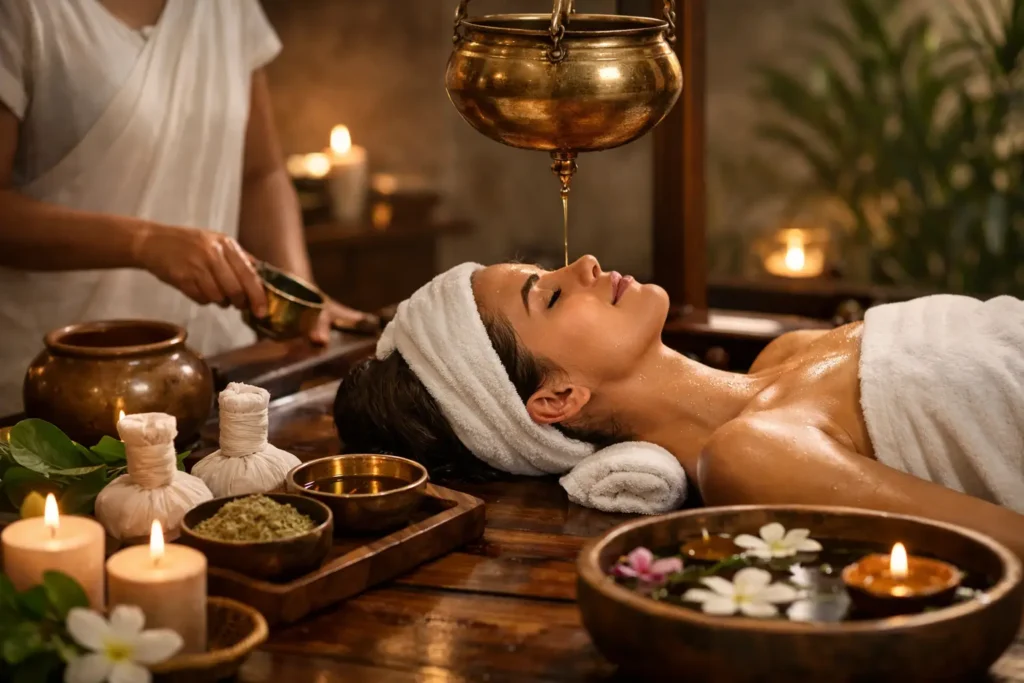
If your body feels heavy, your sleep is off, your digestion is unpredictable, and stress seems to sit deeper than a weekend off can fix, you may have already asked: what is panchakarma treatment? In Ayurveda, Panchakarma is not a spa ritual or a trendy detox. It is a classical, medically guided cleansing and rejuvenation process designed to remove accumulated toxins, restore balance, and prepare the body to heal more effectively.
For many people, the word sounds mysterious. In practice, Panchakarma is structured, personalized, and far more nuanced than a generic cleanse. It is one of Ayurveda’s most respected therapeutic approaches, especially when done under the care of qualified doctors and trained therapists in a traditional setting like Kerala.
What is Panchakarma treatment in Ayurveda?
Panchakarma treatment is a cornerstone of Ayurvedic medicine made up of purification therapies that aim to clear excess doshas, support digestive fire, and reset the body’s internal balance. The word itself means “five actions,” referring to five classical cleansing procedures used selectively based on the individual’s condition.
That last part matters. Not every person receives all five therapies. In fact, many do not. A proper Panchakarma program is customized after an Ayurvedic assessment of your constitution, current imbalances, strength, age, symptoms, and readiness for treatment. The goal is not to push the body hard. It is to guide it carefully.
Ayurveda views health as more than the absence of symptoms. It considers digestion, sleep, emotional steadiness, energy, immunity, and mental clarity as connected. When these systems become burdened by poor routine, chronic stress, unsuitable food, travel fatigue, or unresolved imbalance, Panchakarma may be recommended to help restore order from the inside out.
The five classical actions
The five main procedures traditionally associated with Panchakarma are Vamana, therapeutic emesis; Virechana, purgation; Basti, medicated enemas; Nasya, nasal administration of herbal preparations; and Raktamokshana, bloodletting, which is used far less commonly and only in specific clinical contexts.
In modern retreat settings, the exact program may include some of these core therapies along with preparatory and supportive treatments. This is why two guests can both book a Panchakarma retreat and have very different experiences. One may focus more on digestive reset and stress regulation, while another may need joint support, nervous system calming, or metabolic balancing.
That individualization is one reason Panchakarma has retained its medical credibility within authentic Ayurveda. It is not a one-size-fits-all detox menu.
What happens before the main cleansing phase?
A true Panchakarma process usually begins before the primary elimination therapies. This preparatory stage helps loosen and mobilize toxins, improve circulation, and bring imbalances from deeper tissues into the digestive tract, where they can be eliminated more safely.
This phase often includes internal oleation with medicated ghee or oils, external oil therapies, and sweating treatments. You may also follow a simple diet designed to lighten the digestive load. These steps can feel deeply nourishing, but they are not just relaxing extras. They are part of the medical logic of the program.
People who expect immediate intense cleansing are sometimes surprised by this slower beginning. But rushing Panchakarma can be counterproductive. Preparation is part of why an authentic program feels more grounded and effective than a fashionable detox retreat.
What is Panchakarma treatment like day to day?
The daily experience depends on your plan, but most programs follow a steady rhythm. You begin with consultations, pulse and symptom assessment, and a treatment schedule tailored to your needs. Days often include herbal medicines, body therapies, rest, simple meals, and gentle practices such as yoga, breathwork, or meditation.
This is not usually a high-activity vacation. Panchakarma asks you to slow down. Your body is doing internal work, and your nervous system needs enough quiet to support that process. For busy professionals and overstimulated travelers, that alone can feel transformative.
Many guests notice shifts in digestion first. Others experience emotional release, deeper sleep, clearer skin, reduced heaviness, or more stable energy. At the same time, it is not always linear. Some days feel light and clear; others feel tender or tiring. That is why supervision matters.
Who is Panchakarma for?
Panchakarma can be suitable for people dealing with chronic stress, fatigue, digestive issues, sluggish metabolism, inflammatory tendencies, sleep disturbance, joint discomfort, or a general sense of imbalance. It is also used in Ayurveda as a preventive and seasonal reset for people who want to maintain long-term wellness.
Still, suitability depends on the person. Someone with strong vitality and mild imbalance may do well with a shorter restorative program. Someone with more complex symptoms may need a longer and more carefully managed treatment plan. There are also times when Panchakarma should be postponed, modified, or avoided altogether, such as during pregnancy, extreme weakness, acute illness, or certain medical conditions.
This is where working with certified Ayurvedic doctors becomes essential. The safest and most beneficial Panchakarma is never self-prescribed.
Why Kerala is often considered the ideal setting
When people seek Panchakarma internationally, Kerala stands apart for good reason. It is one of the strongest living centers of Ayurveda, with deep clinical traditions, skilled therapists, herbal knowledge, and treatment environments built around this system of care rather than retrofitted for wellness tourism.
That difference shows up in the details: doctor-led consultations, therapy sequencing, authentic herbal oils, trained staff, therapeutic cuisine, and the pace of the retreat itself. In a well-curated Kerala setting, the surroundings support the treatment. Warm climate, quiet landscapes, and a routine centered on healing can make it easier for the body to soften and respond.
For international guests, especially those traveling from the US, practical trust matters too. Accreditation, government-certified standards, and organized logistics reduce stress before the healing even begins. That is part of why curated retreat planning matters as much as the treatment menu.
Common misconceptions about Panchakarma
One of the biggest misunderstandings is that Panchakarma is just an Ayurvedic detox. Detox is a useful shorthand, but it is incomplete. Panchakarma is also about regulation, nourishment, and restoring communication between body systems.
Another misconception is that more intense means more effective. In reality, overly aggressive cleansing can leave some people depleted. Good Ayurvedic medicine respects timing, constitution, and capacity.
There is also confusion between spa treatments and therapeutic protocols. Oil massage can be part of Panchakarma, but Panchakarma itself is not simply a series of massages. It is a coordinated clinical process with a clear rationale behind each step.
How long does Panchakarma take?
Length varies. Some introductory programs run for a week, while deeper therapeutic retreats often last 14, 21, or even 28 days. If you are traveling a long distance and hoping for meaningful results, a longer stay is generally more supportive. The body needs time not only to eliminate but also to settle and rebuild.
That said, the ideal duration depends on your goals. A shorter program may suit someone seeking stress recovery and a gentle reset. A more comprehensive protocol may be better for longstanding imbalance. Honest guidance matters more than promising dramatic change on a tight timeline.
At AYUR YOGA, this kind of personalization is central to the retreat design, especially for guests who want both authentic care and a seamless Kerala experience.
What results can people realistically expect?
The most meaningful results are often subtle at first but lasting over time. People commonly report lighter digestion, better elimination, deeper sleep, calmer mood, improved focus, reduced bloating, and a greater sense of internal clarity. Some also notice improvements in skin, mobility, and energy regulation.
But Panchakarma is not magic, and it is not a replacement for appropriate medical care. Outcomes depend on the quality of assessment, the suitability of the program, your starting condition, and how well you follow the recommended diet and post-treatment routine. The aftercare phase matters more than many people realize. If you return immediately to overstimulation, irregular meals, and poor sleep, some of the benefits can fade.
A well-run Panchakarma retreat should help you leave with more than a temporary sense of wellness. It should give you a clearer understanding of your body, your patterns, and the routines that help you stay balanced.
Is Panchakarma worth it?
For the right person, in the right setting, yes. Especially if you are not looking for a quick fix, but for a deeper reset grounded in tradition and guided by trained professionals. Panchakarma asks for time, trust, and a willingness to slow down. In return, it can offer something many modern wellness programs do not: a structured way to heal, rebalance, and renew from the inside.
If you are considering it, the best next step is not to ask for the most popular package. It is to ask whether the program is medically personalized, authentically delivered, and supported by a retreat environment that truly allows healing to happen. That is where Panchakarma begins to feel less like a treatment trend and more like a meaningful turning point.
Pingback: How to start ayurvedic cleanse richtig – AYUR YOGA