
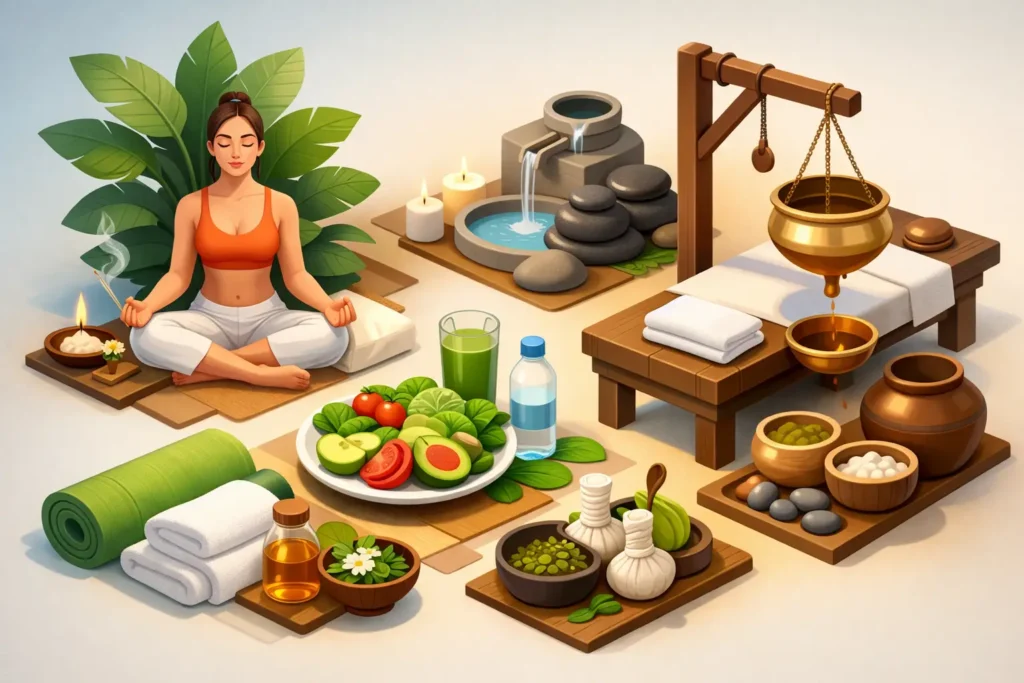
Panchakarma tends to begin before the first treatment. The quality of your preparation often shapes how deeply your body settles, how comfortably detoxification unfolds, and how much you carry home afterward. If you are wondering how to prepare for panchakarma, the short answer is this: slow down early, simplify your food, clear your schedule, and arrive ready to receive care rather than squeeze in one more demanding experience.
That matters because Panchakarma is not a spa menu or a quick reset layered onto a busy week. In classical Ayurveda, it is a structured cleansing and rejuvenation process guided by an Ayurvedic doctor and supported by therapies, diet, rest, and daily routine. When preparation is thoughtful, the body is often more responsive, the mind less resistant, and the overall program more effective.
Why preparation matters before Panchakarma
Panchakarma asks the nervous system, digestion, and elimination channels to work in a very different way than they do in ordinary life. If you arrive overstimulated, sleep deprived, overfed, or emotionally depleted, the transition can feel abrupt. A little fatigue, emotional sensitivity, or temporary discomfort can be part of cleansing, but good preparation helps reduce unnecessary strain.
There is also a practical side. Many guests travel long distances to Kerala for treatment, crossing time zones and stepping out of demanding professional or family roles. The more you can reduce friction before you leave, the easier it becomes to settle into the slower rhythm Panchakarma requires.
How to prepare for Panchakarma in the weeks before travel
Start planning at least two to four weeks in advance if possible. If you have more time, even better. The goal is not perfection. It is to move gradually from stimulation toward steadiness.
Begin with a proper consultation
Panchakarma should be individualized. Your constitution, current imbalances, strength of digestion, sleep, stress load, medications, and health history all influence the ideal approach. Some people need a gentler preparatory phase. Others may be ready for a more classic cleansing sequence. This is especially important if you have chronic symptoms, are recovering from illness, or are taking regular medication.
A reputable retreat or clinic will arrange an assessment with a qualified Ayurvedic doctor rather than placing every guest on the same protocol. That degree of personalization is one of the clearest signs of authentic care.
Lighten your diet before you arrive
One of the best ways to prepare is to simplify what you eat. A lighter, cleaner diet helps reduce the burden on digestion and makes the shift into Ayurvedic meals feel natural instead of jarring. In the one to two weeks before Panchakarma, many people do well with freshly cooked foods, warm meals, simple grains, vegetables, soups, kitchari, and easy-to-digest proteins if advised.
Try to reduce alcohol, fried foods, heavy meat dishes, refined sugar, processed snacks, and overeating. It also helps to ease back on caffeine rather than stopping abruptly the day you travel, which can bring headaches and irritability. If you are used to cold smoothies, late dinners, and constant grazing, moving toward regular mealtimes and warm cooked food can make a real difference.
That said, your starting point matters. If your digestion is weak or you are underweight, overly restrictive eating may not be appropriate. Ayurveda always works best when preparation matches the person.
Protect your sleep and energy
Panchakarma is more effective when the body has enough reserves. In the days leading up to travel, try not to pack your calendar with late nights, intense social plans, hard workouts, and last-minute work pressure. Many guests assume they should push through everything before leaving so they can fully relax later. In reality, arriving already depleted can make the first few days harder.
Aim for a steadier evening routine. Eat earlier, limit screen exposure late at night, and prioritize sleep. If you can begin waking and sleeping at more regular times, your system will respond better once treatment begins.
Reduce stimulation, not just toxins
People often think of detox only in terms of food, but sensory overload matters too. Endless emails, travel planning stress, social media, news cycles, and emotional conflict all keep the mind activated. Panchakarma works on the whole person, and that includes the mental field.
In the week before your program, start creating more space. Short walks, gentle yoga, breathwork, meditation, journaling, and quiet evenings are useful preparations. This is not about becoming perfectly calm before you arrive. It is about signaling to your body that it is safe to soften.
What to stop or adjust before Panchakarma
Your doctor or retreat team should guide you here, especially if you take prescription medication. Do not stop any medication on your own. Still, there are some common adjustments many people are advised to make.
Heavy exercise is often reduced before and during Panchakarma. High-intensity training, long runs, and physically draining classes can be too stimulating. Gentle movement is usually more appropriate. Alcohol and recreational substances are generally discouraged. Smoking also interferes with the cleansing process and can make treatments less supportive.
Many guests ask about supplements. Some may be paused, while others may continue depending on your doctor’s guidance. The point is not to strip everything away blindly. It is to create a clear, coordinated plan rather than layering detox on top of a complicated self-directed routine.
Travel planning is part of how to prepare for Panchakarma
If you are traveling internationally, your preparation should include the journey itself. Long flights, airport meals, dehydration, jet lag, and overstimulation can all affect digestion and energy before treatment even starts.
Build in arrival time if you can. Reaching your retreat one or two days before intensive therapies begin allows the body to acclimate. Hydrate well during travel, eat as simply as possible, and avoid the temptation to turn the trip into a packed sightseeing schedule before your program. Kerala invites exploration, but Panchakarma is not at its best when paired with constant movement.
Pack for comfort rather than style. Loose, breathable clothing, simple sandals, a shawl, any personal toiletries you rely on, and copies of medical information are usually more useful than a suitcase full of options. Most guests feel best in soft clothing that supports rest and treatment access.
The right mindset before you begin
People often arrive with one of two extremes: very high expectations or quiet apprehension. Both are understandable. You may hope for relief from fatigue, digestive issues, inflammation, poor sleep, stress, or emotional heaviness. You may also worry about discomfort, dietary restrictions, or what detox will feel like.
The most helpful mindset is open, patient, and realistic. Panchakarma is powerful, but it is not a performance. Healing may feel subtle before it feels dramatic. Some guests notice better sleep first. Others feel emotional release, clearer digestion, steadier energy, or a deeper sense of internal quiet. Results depend on your starting condition, the length of your program, and how fully you can rest into the process.
This is one reason curated, medically guided retreats matter. At AYUR YOGA, the combination of certified Ayurvedic oversight, personalized planning, and well-supported Kerala retreat settings helps guests arrive with more confidence and less confusion.
Questions to ask before booking or arriving
Not every Panchakarma offering is equal. Some programs use the name loosely, while others follow a far more authentic and clinically grounded model. Before committing, ask who designs the treatment plan, whether there is an Ayurvedic doctor consultation, how meals are customized, what kind of daily schedule to expect, and whether the property is experienced in hosting international wellness travelers.
You should also ask what level of support is available for airport transfers, language comfort, dietary preferences, and post-treatment guidance. For many US travelers, trust grows when logistics are well organized. Practical support allows you to focus on healing rather than troubleshooting.
What to do the day before Panchakarma starts
Keep the final day simple. Eat light, stay hydrated, avoid alcohol, and choose rest over activity. If you have arrived in Kerala, spend time grounding into the environment. A short walk, an early dinner, and a quiet night are often far more beneficial than trying to make the most of every hour.
It also helps to set an intention. Not a dramatic declaration, just a clear inner orientation. You may be coming to heal, rebalance, recover from burnout, or reconnect with your own rhythms. Naming that gently can steady you when the process asks for patience.
Panchakarma meets you best when you stop treating healing like a task to complete. Arrive a little softer than usual, and let the work begin there.
Pingback: Custom Wellness Travel Kerala richtig planen – AYUR YOGA
Pingback: Solo Retreat or Group Retreat: Which Fits? – AYUR YOGA