

Stepping onto the palm-fringed coast of Southern India for a traditional ayurvedic therapy treatment is not like booking a standard wellness holiday. It is an intentional, biological reset. Rather than offering short-term relaxation, authentic Kerala Ayurveda treats the root cause of chronic fatigue, joint pain, systemic inflammation, and metabolic distress.
According to data published by the World Health Organization, over 80% of the population in developing regions relies on traditional medicine for primary health needs, with Ayurveda standing as one of the world’s oldest continuous medical systems. When you travel to Kerala, you enter a ecosystem where medicinal botanicals, clinical diagnostic techniques, and tailored diets have been refined over more than 5,000 years.
If you are considering a trip for deep healing, understanding what happens from your initial consultation to your final day of care helps you prepare physically and mentally for the transformation ahead.
Key Takeaways: Your Healing Roadmap
| Phase | Clinical Focus | Primary Interventions | Expected Outcome |
|---|---|---|---|
| 1. Diagnosis | Identifying Prakriti (constitution) & Vikriti (imbalance) | Nadi Pariksha (pulse diagnosis), tongue & eye analysis | Customized clinical treatment plan & prescribed herbs |
| 2. Preparation (Purvakarma) | Softening toxins (Ama) & opening channels | Snehapana (internal oleation), Swedana (herbal steam) | Toxins mobilized from deep tissues into digestive tract |
| 3. Cleansing (Pradhanakarma) | Metabolic & cellular elimination | Doctor-supervised Panchakarma therapies | Expulsion of accumulated metabolic waste |
| 4. Rejuvenation (Paschatkarma) | Rebuilding tissue strength & digestive fire (Agni) | Rasayana herbs, Pathya diet, gentle Yoga | Restored vitality, clearer cognition, enhanced immunity |
What Is an Authentic Ayurvedic Therapy Treatment?
To understand authentic Ayurvedic healing, you must look past modern wellness trends that treat massages as superficial luxuries. In Kerala, an authentic ayurvedic therapy treatment is a structured medical intervention tailored entirely to your unique metabolic profile.
Understanding Doshas, Prakriti, and Root-Cause Healing
Ayurveda operates on the principle that the human body is governed by three fundamental biological energies, known as Doshas:
- Vata (Air & Ether): Controls movement, circulation, nerve impulses, and elimination.
- Pitta (Fire & Water): Governs digestion, metabolism, energy production, and body temperature.
- Kapha (Earth & Water): Maintains physical structure, lubrication, fluid balance, and immunity.
Your natural state of balance at birth is your Prakriti. Over time, poor diet, stress, environmental toxins, and emotional strain create an altered state of imbalance known as Vikriti.
While Western medicine often focuses on managing symptoms, classical Ayurveda identifies where your doshas have strayed from your Prakriti. By removing accumulated cellular toxins (Ama) and balancing the doshas, the body recovers its natural self-healing capacity.
How Ayurvedic Therapy Differs from Conventional Wellness Massages
It is easy to confuse therapeutic bodywork with a resort spa session. However, the differences in intent, ingredients, and application are vast. Understanding the difference between an ayurvedic therapy versus spa treatment is vital before booking a retreat.
+-----------------------------------------------------------------------+
|                       AYURVEDIC THERAPY vs. SPA                       |
+-----------------------------------------------------------------------+
| CLINICAL AYURVEDA                    RECREATIONAL SPA                 |
| • Doctor-prescribed oils & herbs     • Scented commercial lotions     |
| • Targets root cause of disease      • Provides temporary relaxation   |
| • Rhythmic, dosha-specific stroke    • Light, generic pressure        |
| • Accompanied by strict diet         • Unrestricted resort dining     |
+-----------------------------------------------------------------------+
A spa massage uses generic, light pressure and scented lotions designed purely for superficial muscle relaxation. Clinical Ayurvedic therapy uses warm, medicated oils brewed for hours with dozens of raw herbs, cooked according to classical texts. Every stroke, pressure level, and oil selection addresses specific physiological conditions.
What Happens During a Doctor-Supervised Ayurveda Consultation?
Your healing journey in Kerala begins before a single drop of oil touches your skin. Authentic healing requires a thorough initial clinical assessment conducted by a qualified Ayurvedic physician (holding a Bachelor or Master of Ayurvedic Medicine and Surgery, BAMS/MD).
The Pulse Diagnosis (Nadi Pariksha) and Clinical Evaluation
On your first day at a doctor supervised ayurveda retreat, you meet with your primary physician for a comprehensive diagnostic session.
The core of this evaluation is Nadi Pariksha (Ayurvedic pulse diagnosis). By placing three fingers on your radial artery, an experienced physician senses the subtle rhythms of your blood flow. They evaluate the balance of Vata, Pitta, and Kapha across multiple depths, identifying organ stress, digestive weakness, and hidden metabolic imbalances.
Alongside pulse assessment, the doctor performs Ashtavidha Pariksha (the eight-fold examination), which includes analyzing:
- Jihwa (Tongue): Checking for toxic coating (Ama), scalloped edges, or deep cracks.
- Netra (Eyes): Evaluating clarity, dryness, or discoloration indicative of Pitta or Vata surges.
- Twak (Skin): Observing moisture, temperature, and skin conditions.
- Mootra & Mala (Elimination patterns): Reviewing metabolic efficiency and gut health.
- Shabda (Voice) & Akriti (General physique): Assessing structural strength and vitality.
Crafting Your Personalized Ayurveda Treatment Plan
Once your physician diagnoses your Prakriti and Vikriti, they draft your personalized ayurveda treatment plan. This document serves as your clinical outline for the entirety of your stay.
Your plan specifies:
- The exact herbal oils (Tailams) or decoctions (Kashayams) required for your daily treatments.
- The progression and intensity of therapeutic treatments over 7, 14, or 21 days.
- Your customized therapeutic diet (Pathya Ahara).
- Internal herbal medications taken daily to support cellular detoxification.
Official guidelines established by the Ministry of Ayush emphasize that authentic clinical treatments require daily oversight by trained medical staff to adjust protocols as your body shifts through detox phases.
Which Procedures Feature on an Authentic Ayurvedic Treatments List in Kerala?
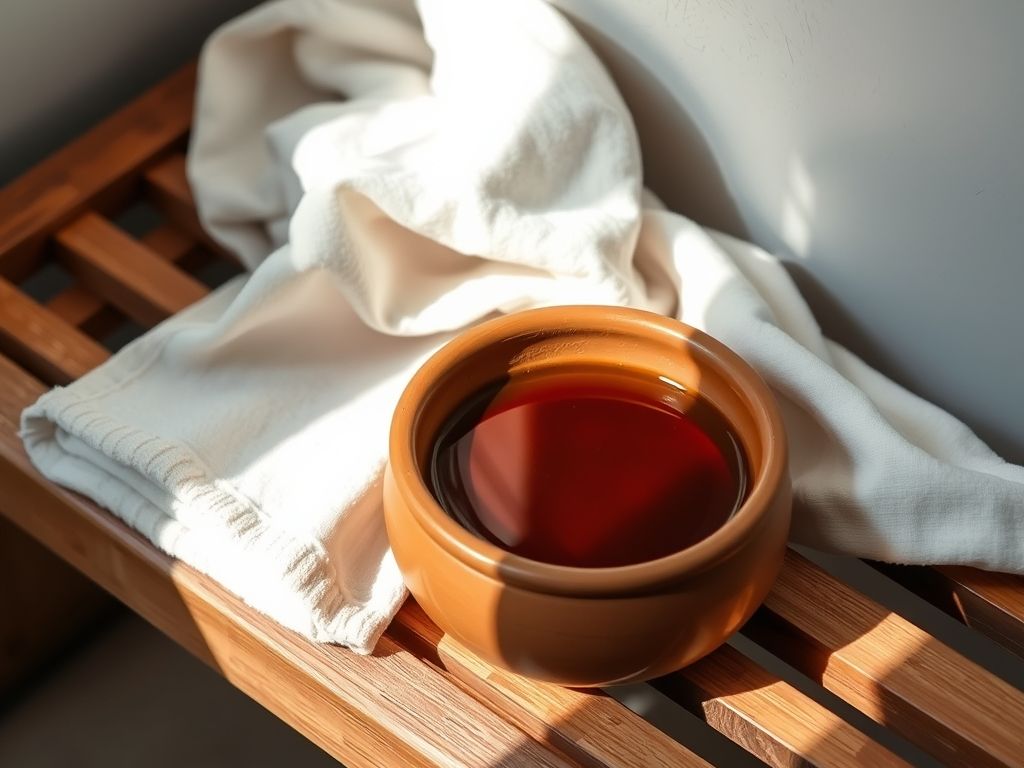
When reviewing an authentic ayurvedic treatments list Kerala retreats offer, you will find therapies designed for distinct physical systems. These procedures work synergistically to liquefy systemic waste, soothe nervous system strain, and rebuild vulnerable joints.
Rejuvenating Body Therapies: Abhyanga and Pizhichil
- Abhyanga (Therapeutic Synchronized Massage): Two practitioners apply generous amounts of warm, herb-infused sesame oil using rhythmic, synchronized strokes. This treatment improves lymphatic drainage, nourishes the skin, lubricates joints, and settles an overworked nervous system.
- Pizhichil (The Oil Bath Therapy): Often reserved for royalty in ancient India, Pizhichil involves continuously pouring warm medicated oil over the body while two therapists gently massage the muscles. It provides deep relief for muscular dystrophy, rheumatic conditions, and severe Vata imbalances.
Mind-Calming and Neurological Care: Shirodhara and Nasyam
- Shirodhara: A continuous, steady stream of warm herbal oil, medicated buttermilk (Takra), or herbal decoction is poured across the forehead (the Ajna Chakra). Shirodhara calms the central nervous system, relieves chronic insomnia, lowers hypertension, and treats anxiety.
- Nasyam: Herbal drops or powders are administered through the nasal passages after a targeted face and chest steam. This therapy clears sinus congestion, reduces chronic headaches, and improves mental clarity by removing accumulated toxins from the head region.
Targeted Relief: Herbal Poultices (Kizhi) and Specialized Bastis
- Elakizhi & Podikizhi (Herbal & Powder Poultice Therapies): Muslin bags packed with fresh medicinal leaves (Elakizhi) or ground herbal powders (Podikizhi) are warmed in botanical oils and rhythmically tapped over the body. These therapies reduce joint swelling, relieve stiffness, and treat localized pain.
- Greeva Basti & Kani Basti: Warm oil reservoirs built using dough made from black gram flour are applied directly over specific pain points—such as the neck (Greeva) or lower back (Kati). If you suffer from lower back stiffness or structural joint strain, exploring an ayurvedic treatment for knee pain in kerala illustrates how targeted local oil pooling accelerates deep tissue repair.
How Are Panchakarma Therapies Explained for Deep Detoxification?
When newcomers research clinical treatments, having panchakarma therapies explained clearly helps set realistic expectations. Panchakarma translates literally to “five actions.” It is Ayurveda’s signature clinical procedure for stripping deep-seated toxins out of organ tissues.
Research compiled by the National Center for Biotechnology Information highlights that structured 14-to-21-day Panchakarma protocols lead to measurable reductions in lipid peroxidation, serum cholesterol, and systemic inflammatory markers.

Infographic by SiteLift
Panchakarma is divided into three distinct phases:
Phase 1: Purvakarma (Preparatory Phase)
Before removing toxins, your body must be prepared. Purvakarma loosens fat-soluble toxins trapped deep inside tissue layers and channels them back into the digestive tract for elimination.
- Snehapana (Internal Oleation): Guests drink gradually increasing doses of warm, medicated ghee (Achapana) early in the morning on an empty stomach for 3 to 7 days. The ghee saturates cellular walls, binding to accumulated toxins.
- Swedana (Herbal Steam Therapy): Following oil applications, guests sit in a wooden steam cabinet infused with boiled medicinal leaves. Sweat pores open, pushing mobilized toxins out through the skin and toward the central gut.
Phase 2: Pradhanakarma (The Five Primary Cleansing Actions)
Once toxins are fully mobilized, your Ayurvedic physician selects specific cleansing procedures based on your constitution:
- Vamana (Therapeutic Emesis): Induced vomiting designed to clear excessive Kapha toxins from the upper respiratory and gastric tracts.
- Virechana (Therapeutic Purgation): Herbal laxative therapy that cleanses the liver, gallbladder, and small intestine of excess Pitta toxins.
- Basti (Medicated Enema Therapy): The crown jewel of Panchakarma. Medicated oil enema (Anuvasana) or herbal decoction enema (Niruha) nourishes the colon, balancing Vata energy—the primary driver of disease.
- Nasya (Nasal Cleansing): Expulsion of toxins from the cranial region through the nostrils.
- Raktamokshana (Blood Purification): Controlled removal of small amounts of blood (often using leeches) to treat severe skin disorders like eczema or psoriasis. (Infrequently used in standard retreat settings).
Phase 3: Paschatkarma (Post-Detox Rejuvenation and Diet Integration)
Elimination leaves your digestive fire (Agni) delicate and sensitive. Paschatkarma is the vital rebuilding phase.
During this period, you follow Samsarjana Krama—a carefully stepped diet transitioning from thin rice broths (Peya) to thicker gruels (Vilepi) and eventually solid, balanced meals. Skipping this phase can undo the benefits of detoxification.
Pro Tip: Never plan heavy physical activity or travel directly following Panchakarma treatments. Your digestive system and cellular tissues require up to two weeks post-treatment to rebuild their strength safely.
What Does a Daily Healing Schedule Look Like During an Ayurvedic Therapy Treatment?
Life inside an authentic Kerala retreat follows Dinacharya—a daily routine aligned with natural circadian rhythms. Standard retreat schedules eliminate external stressors, encouraging profound nervous system rest.
+-----------------------------------------------------------------------+
|                    TYPICAL DAILY RETREAT SCHEDULE                     |
+-----------------------------------------------------------------------+
| 06:00 AM - 06:30 AM  │ Herbal Tea & Gentle Morning Wake-up            |
| 06:30 AM - 07:45 AM  │ Therapeutic Gentle Yoga & Pranayama           |
| 08:00 AM - 09:00 AM  │ Prescribed Tridoshic Breakfast                 |
| 09:30 AM - 12:30 PM  │ Primary Clinical Therapy Session (90-120 mins) |
| 12:30 PM - 01:30 PM  │ Tailored Ayurvedic Lunch                       |
| 02:00 PM - 03:30 PM  │ Prescribed Rest & Quiet Integration            |
| 03:30 PM - 04:30 PM  │ Afternoon Doctor Follow-up & Herbal Tonic     |
| 05:00 PM - 06:00 PM  │ Restorative Meditation & Breathwork           |
| 06:30 PM - 07:30 PM  │ Light Nourishing Evening Dinner               |
| 09:30 PM             │ Bedtime & Deep Cellular Rest                  |
+-----------------------------------------------------------------------+
Dinacharya: Morning Yoga, Meditation, and Therapy Sessions
Your day begins early, as the air carries cool ocean breezes or quiet backwater mist. Gentle posture work (Asanas) and breathwork (Pranayama) awaken the lungs without depleting physical energy.
Following breakfast, guests head to traditional treatment rooms for their custom daily therapies. The aroma of warm herbal oils, cedar wood, and boiling botanicals creates an environment deeply conducive to somatic relief.
Pathya Ahara: Tailored Therapeutic Ayurvedic Nutrition
Food at a clinical retreat is treated as medicine. Your physician prescribes your diet based on your present metabolic state:
- Vata-soothing foods: Warm, soft, well-cooked meals prepared with digestive spices like ginger, cumin, and small amounts of high-quality ghee.
- Pitta-cooling foods: Mild, sweet, bitter, and astringent dishes featuring coconut, zucchini, cilantro, and leafy greens while avoiding heavy spices, alcohol, and garlic.
- Kapha-balancing foods: Light, dry, spicy, and warm dishes cooked with minimal oil, using legumes, millet, mustard seed, and black pepper.
If you are planning a trip with a partner, taking time to book authentic Ayurveda treatment in Kerala ensures both of you receive distinct dietary plans, even while sharing dining spaces.
Rest and Recovery: Why Downtime Is Essential During Healing
A common mistake international guests make is attempting to combine intense sightseeing with clinical Ayurvedic care. During treatment, your body redirects significant metabolic energy toward internal repairs. Rest is an active component of your therapy. Reading, quiet walks along beach paths, and early bedtimes give your body space to process deep cellular cleanses.
Why Doctor-Supervised Ayurvedic Therapy Treatment Outperforms Quick Fixes
Having personally observed the stark contrast between superficial resort wellness and traditional Kerala medicine, my view is simple: modern wellness travel relies far too heavily on instant gratification. Quick weekend getaways and intermittent cleanses rarely touch deep-seated chronic fatigue or systemic gut imbalances.
What makes Kerala’s approach so effective is its unwillingness to rush biology.
Data compiled by the Global Wellness Institute shows that travel focused on traditional and complementary therapies is growing at over 12% annually worldwide. Travelers are moving away from superficial pampering toward structured, evidence-based traditional systems.
When you spend 14 to 21 days under the care of a BAMS physician, you undergo an intentional physical realignment:
- You stop adding toxins: Clean air, organic plant meals, and digital detox reduce your daily toxic burden.
- You mobilize old waste: Warm botanical oils and therapeutic steam pull long-held toxins from tissues.
- You restore metabolic efficiency: Custom herbs rebuild your Agni (digestive fire), improving nutrient absorption long after you return home.
Pro Tip: When selecting a retreat center, verify that physicians reside on-site full time and hold university degrees in Ayurvedic Medicine (BAMS). Avoid resorts where doctors only make brief weekly visits.
Authentic Ayurvedic healing is not an escape from daily life; it is an investment in the physical clarity required to live it fully.
— ayuryogaretreats.com
How to Begin Your Healing Journey
Planning an authentic wellness journey to India can feel overwhelming with hundreds of options available online. Selecting a retreat center that preserves clinical integrity while offering safe, comfortable accommodations for international travelers is essential.
At ayuryogaretreats.com, we bridge the gap between ancient healing traditions and modern comfort. We partner exclusively with certified, doctor-supervised retreat properties across Kerala’s tranquil backwaters and lush coastal hills.
Whether you seek relief from chronic joint pain, digestive stress, or burnout, our team provides personalized guidance, verified property recommendations, and full travel coordination to ensure your journey to wellness is safe, restorative, and life-changing.
Frequently Asked Questions About Ayurvedic Therapy Treatment
How many days are needed for an effective Ayurvedic therapy treatment in Kerala?
While 7-day retreats offer basic relaxation and gentle stress relief, an effective clinical ayurvedic therapy treatment—especially one involving Panchakarma—requires a minimum of 14 to 21 days. This timeframe provides sufficient opportunity for internal preparation (Purvakarma), active cleansing (Pradhanakarma), and digestive rebuilding (Paschatkarma).
What is the main difference between a standard spa massage and doctor-supervised treatment?
A spa massage uses generic oils and gentle pressure designed for superficial muscle relaxation. A doctor-supervised Ayurvedic treatment is prescribed by a licensed Ayurvedic physician (BAMS/MD) following a pulse diagnosis. It utilizes specific herbal oils cooked according to classical formulas, applied with therapeutic techniques to address underlying medical conditions.
Are Panchakarma therapies safe for everyone, and are there dietary restrictions?
Panchakarma is generally safe when supervised by qualified Ayurvedic doctors who tailor therapies to your specific constitution. However, certain procedures are contraindicated for pregnant women, young children, the elderly, or individuals with acute infections. Strict dietary restrictions (Pathya Ahara)—excluding alcohol, caffeine, cold drinks, heavy meats, and processed foods—are mandatory during therapy to protect your digestive fire (Agni).
Can Ayurvedic therapy treatment help with chronic conditions like arthritis, anxiety, or gut issues?
Yes. Authentic Ayurveda specializes in managing chronic conditions by treating systemic inflammation and digestive dysfunction. Conditions such as osteoarthritis, rheumatoid arthritis, IBS, chronic fatigue, anxiety, insomnia, and psoriasis respond exceptionally well to personalized, doctor-guided treatment protocols.
What should international travelers expect during their first consultation at a Kerala retreat?
During your initial consultation, your physician will spend 30 to 60 minutes conducting a thorough clinical evaluation. They will check your radial pulse (Nadi Pariksha), examine your tongue, eyes, and skin, and ask detailed questions about your medical history, sleep patterns, digestion, and daily stress levels. This consultation forms the foundation of your customized therapy program.