

If you have ever spent a week at a trendy beachside resort moving through fast-paced Vinyasa flows, only to return home feeling just as exhausted as when you left, you are not alone. Most modern yoga retreats treat yoga as a physical workout—a temporary escape from a stressful calendar rather than a profound recalibration of your physical and subtle bodies.
True healing requires something much deeper. When you step onto a mat in Kerala, the birthplace of Ayurveda, the practice shifts from a daily workout to a holistic medical science. Here, authentic yoga retreats do not separate yoga from its sister science, Ayurveda. Instead, they merge them into a unified, ancient discipline known as AyurYoga.
By combining deep internal cleansing (Panchakarma), personalized herbal treatments, Sattvic nutrition, and doctor-guided asana and pranayama, Kerala’s authentic sanctuaries heal far beyond the physical mat.
Below is an overview of what makes an authentic Kerala retreat different from standard wellness holidays.
Key Takeaways: AyurYoga vs. Standard Retreats
| Aspect | Standard Fitness Yoga Retreat | Authentic Kerala AyurYoga Retreat |
|---|---|---|
| Primary Focus | General flexibility, posture alignment, relaxation | Root-cause physical detox, mind-body balance, spiritual growth |
| Medical Guidance | Rarely included (led by general yoga instructors) | Daily consultations with certified Ayurvedic doctors (Vaidyas) |
| Therapies | Basic spa massages or optional facials | Clinical Panchakarma (e.g., Abhyanga, Shirodhara, Virechana) |
| Dietary Approach | Standard vegetarian or general buffet | Custom Sattvic diet tailored precisely to your Dosha (constitution) |
| Practice Customization | One-size-fits-all group posture classes | Asana & Pranayama prescribed according to individual Tridosha balance |
| Long-Term Impact | Temporary stress relief | Systemic reduction in cellular inflammation and lifestyle reset |
Why Are Yoga Retreats in Kerala Uniquely Transformative?
To understand why Kerala stands as the global epicenter for holistic healing, you have to understand how yoga was originally intended to be practiced. Classical Indian texts never viewed asana (physical postures) as an isolated fitness routine. Posture is merely the third limb of Patanjali’s Eight Limbs of Yoga, designed to prepare the physical shell for deep meditation and spiritual clarity.
However, if your physical body is burdened by toxic accumulation (Ama), systemic inflammation, or structural imbalance, quiet meditation remains out of reach. That is precisely where Kerala’s unique tradition steps in.
       +--------------------------------------------------------+
       |                       AYURYOGA                         |
       |  The Integration of Ancient Sister Healing Disciplines  |
       +---------------------------+----------------------------+
                                   |
         +-------------------------+-------------------------+
         |                                                   |
         v                                                   v
+------------------+                               +------------------+
|    AYURVEDA      |                               |       YOGA       |
| Science of Medicine                              | Science of Spirit|
| • Balances Doshas                                | • Purifies Mind  |
| • Clears Toxins (Ama)                            | • Stabilizes Body|
| • Restores Agni                                  | • Awakens Energy |
+------------------+                               +------------------+
The Synergistic Connection Between Ayurveda and Yoga
Ayurveda (the science of medicine) and Yoga (the science of spirit) developed together thousands of years ago as sister disciplines. Ayurveda purifies the physical vessel—the biological container—so that Yoga can elevate consciousness without physical obstruction.
In an authentic ayurveda yoga retreat Kerala program, these two sciences work in tandem:
- Ayurveda cleanses the physiological channels (Srotas): Specialized herbal oils, heat therapies, and internal cleansers remove metabolic waste.
- Yoga mobilizes subtle life energy (Prana): Guided breathwork (pranayama) and tailored movement circulate that renewed vitality through the newly cleared channels.
Without Ayurvedic cleansing, yoga practice can feel like driving a sports car with clogged fuel lines. Without yoga, Ayurvedic therapies lack the dynamic movement required to integrate subtle structural changes into the nervous system.
Kerala’s Bio-climate and Ancient Spiritual Lineage
There is a geographic reason why seekers travel across continents to experience a certified yoga retreat India offers in this narrow southern strip. Kerala possesses a unique, humid tropical microclimate enriched by the Western Ghats mountain range and an abundance of indigenous medicinal herbs.
For centuries, Kerala preserved the traditional Gurukulam system of education, where Ayurvedic knowledge was handed down unchanged through generations of lineage families (Vaidyas). The atmosphere itself—rich in ocean air, lush greenery, and ambient humidity—helps open the pores of the skin and softening tissues, making body treatments exponentially more effective than in cold or arid climates.
Authentic Guru-Led Practice vs. Modern Commercial Yoga
Commercial retreats around the world often emphasize complex athletic poses, loud music, and Instagram-friendly locations. While enjoyable, these environments rarely alter baseline physiology.
In contrast, traditional Kerala AyurYoga focuses on therapeutic application. You might spend forty-five minutes on three simple postures, learning to direct your breath into specific organs to release deep-seated muscular armor. Teachers here are trained in classical traditions, working alongside medical doctors to ensure your physical practice actively supports your internal healing treatment plan.
What Are the Holistic Health Benefits of an Ayurveda Yoga Retreat?
The physical and psychological benefits of stepped-away retreat living are well-documented. According to research published by the Global Wellness Institute, wellness travel continues to grow rapidly as individuals seek preventative healthcare over reactive treatment, with India remaining a premier global destination for authentic mind-body transformation.
When you merge targeted Ayurvedic treatments with daily yoga practice, the biological effects compound rapidly.
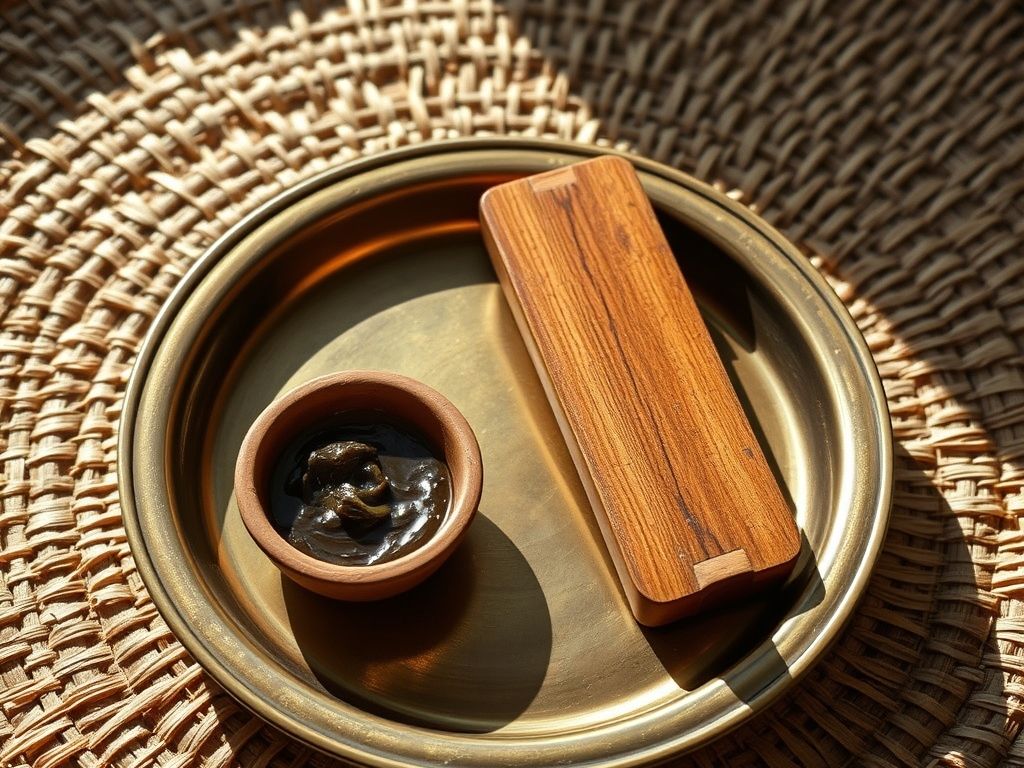
Deep Detoxification Through Panchakarma and Asana
At the core of an authentic panchakarma yoga retreat is the removal of Ama—the toxic, sticky residue created by poor digestion, chronic stress, and environmental pollutants.
Panchakarma consists of five specialized cleansing procedures designed to extract toxins from deep cellular tissues and channel them into the digestive tract for elimination. When paired with specific yoga postures, the detox process accelerates:
- Warm Oil Treatments (Abhyanga): Soften rigid tissues and mobilize fat-soluble toxins.
- Targeted Asana Practice: Gentle twists (Ardha Matsyendrasana) and inversions compress and massage abdominal organs, encouraging lymphatic drainage.
- Internal Cleansing (Virechana or Basti): Flushes accumulated wastes out of the system under strict doctor supervision.
Studies published in the Journal of Alternative and Complementary Medicine demonstrate that combining traditional Ayurvedic detoxification therapies with structured daily yoga practice significantly reduces systemic inflammatory markers and serum cortisol levels.
Mental Clarity, Stress Reduction, and Nervous System Reset
If you struggle with chronic fatigue, anxiety, or insomnia, your autonomic nervous system is likely locked in a perpetual “fight-or-flight” response (sympathetic dominance).
Data from the National Center for Complementary and Integrative Health (NCCIH) reveals that over 80% of yoga practitioners report noticeable reductions in stress and significant improvements in overall physical vitality.
During an AyurYoga program, daily pranayama (breath control)—such as Nadi Shodhana (alternate nostril breathing) and Bhramari (humming bee breath)—directly stimulates the vagus nerve. This shifts your physiology into parasympathetic dominance (“rest and digest”), lowering resting heart rate, lowering blood pressure, and encouraging deep cellular repair. Many guests who come seeking to learn how yoga retreats reduce stress discover that it is this precise vagal stimulation that leaves them feeling profoundly quiet and clear.
Sustainable Lifestyle Habits and Sattvic Living
The ultimate goal of a retreat is not merely feeling relaxed while you are there; it is installing lasting physical habits that persist long after you board your flight home.
Through daily exposure to a Sattvic (pure, harmonious) lifestyle, your body resets its baseline rhythm. You begin waking naturally with the sun, experiencing natural hunger cues, and sleeping deeply at night. You learn to listen to your body’s early warnings of imbalance before they manifest as clinical disease.
What Should You Expect During a Certified Yoga Retreat in India?
Stepping into an authentic retreat environment can feel unfamiliar if you are accustomed to Western hotel stays. Understanding the structure helps you relax into the process from day one.
Personalized Dosha Consultations with Certified Ayurvedic Doctors
Your journey begins not on the yoga mat, but in a consultation room with a qualified Ayurvedic doctor (Vaidya). Using traditional diagnostic techniques—including pulse diagnosis (Nadi Pariksha), tongue evaluation, and detailed lifestyle analysis—the doctor determines your unique birth constitution (Prakriti) and current state of imbalance (Vikriti).
                     +----------------------------------+
                     |    AYURVEDIC CONSTITUTION       |
                     |           (DOSHAS)               |
                     +----------------------------------+
                                      |
         +----------------------------+----------------------------+
         |                            |                            |
         v                            v                            v
  +--------------+             +--------------+             +--------------+
  |    VATA      |             |    PITTA     |             |    KAPHA     |
  | Air & Ether  |             | Fire & Water |             | Earth & Water|
  | Dry, Light,  |             | Hot, Sharp,  |             | Heavy, Slow, |
  | Changeable   |             | Intense      |             | Steady       |
  +--------------+             +--------------+             +--------------+
Based on your primary Dosha:
- Vata-dominant individuals (air/ether elements) receive grounding, warm, oil-rich therapies and slow, stabilizing yoga postures.
- Pitta-dominant individuals (fire/water elements) receive cooling herbal therapies, quiet meditation, and non-competitive, relaxed movement.
- Kapha-dominant individuals (earth/water elements) are prescribed stimulating, warming treatments and energetic, dynamic flow sequences.
Pro Tip: Be completely transparent during your initial consultation about your sleep patterns, digestion, and stress levels. Ayurvedic doctors treat the person, not just the symptoms, so small details alter your treatment plan.
Daily Rhythm: From Sunrise Pranayama to Sunset Meditation
An authentic retreat follows Dinacharya (daily circadian alignment). Rather than late mornings and unscheduled days, your daily schedule follows a purposeful, deeply restorative flow.

Infographic by SiteLift
| Time | Activity | Purpose |
|---|---|---|
| 06:00 AM – 06:30 AM | Herbal Tea & Morning Cleansing | Gently rouses digestion and clears respiratory passages |
| 06:30 AM – 08:00 AM | Sunrise Asana & Pranayama | Awaken energy channels (Nadis) and build physical stability |
| 08:30 AM – 09:30 AM | Customized Sattvic Breakfast | Re-ignite Agni (digestive fire) with digestible, fresh food |
| 10:00 AM – 01:00 PM | Ayurvedic Treatments / Doctor Check-in | Deep tissue oil therapies (Abhyanga, Shirodhara, etc.) |
| 01:00 PM – 02:00 PM | Main Ayurvedic Lunch | Highest metabolic activity time; largest meal of the day |
| 02:00 PM – 04:30 PM | Rest, Journaling, or Nature Walks | Cellular assimilation of morning treatments |
| 05:00 PM – 06:30 PM | Gentle Restorative Yoga & Meditation | Calms the central nervous system for nighttime repair |
| 07:00 PM – 08:00 PM | Light Sattvic Dinner | Nourishing, easy-to-digest meal before evening rest |
| 09:30 PM | Bedtime / Deep Sleep | Aligns sleep cycles with natural circadian rhythms |
Tailored Ayurvedic Meals (Sattvic Diet) Designed for Digestion
Food is considered medicine in Ayurveda. Meals at authentic retreats are entirely vegetarian, freshly prepared using local spices and medicinal ingredients.
Instead of heavy buffets, your meals are prescribed based on your specific doctor consultation. If your Agni (digestive fire) is weak, you may be served soothing warm soups, cooked mung bean dishes (Kitchari), and digest-stimulating herbal teas laced with cumin, coriander, and fennel. By minimizing the energy required for heavy digestion, your body diverts vital energy toward deep tissue repair.
How to Select the Right Ayurveda Yoga Retreat in Kerala for Your Goals
With hundreds of wellness centers across South India, selecting an authentic, medically sound location requires careful evaluation.
       +--------------------------------------------------------+
       |           RETREAT SELECTION FRAMEWORK                  |
       +---------------------------+----------------------------+
                                   |
         +-------------------------+-------------------------+
         |                         |                         |
         v                         v                         v
+------------------+      +------------------+      +------------------+
|  ACCREDITATION   |      |     DURATION     |      |   ENVIRONMENT    |
| • Green Leaf     |      | • 7 Days (Reset) |      | • Hills/Jungle   |
| • Olive Leaf     |      | • 14 Days (Detox)|      | • Backwaters     |
| • NABH Certified |      | • 21 Days (Rehab)|      | • Coastline      |
+------------------+      +------------------+      +------------------+
Checking for Doctor Accreditation and Official Certifications
Not every resort calling itself an “Ayurvedic retreat” offers genuine medical treatment. To ensure you receive real, safe therapeutic care, verify that the facility carries official government accreditations:
- Green Leaf / Olive Leaf Certification: Issued by the Kerala Tourism Department, this certification guarantees that the center employs qualified Ayurvedic doctors, certified therapists, genuine medicines, and hygienic treatment rooms.
- NABH Accreditation: The National Accreditation Board for Hospitals & Healthcare Providers sets rigorous standards for safety, clinical quality, and doctor qualifications.
Determining Ideal Stay Duration: 7, 14, or 21 Days
True biological transformation takes time. While a short visit is refreshing, real clinical results rely on how long you stay:
- 7-Day Stay (Wellness & Reset): Perfect for mild stress reduction, introductory yoga, relaxed exploration, and light Ayurvedic rejuvenation massages.
- 14-Day Stay (Deep Panchakarma & Restructuring): The minimum time required for true physiological detoxification (Panchakarma). Allows full preparation, active treatment, and safe recovery phases.
- 21-Day Stay (Therapeutic Disease Management): Ideal for chronic health challenges (inflammatory condition reset, joint issues, long-term burnout, metabolic issues). Provides time for deep tissue regeneration (Rasayana).
Choosing Your Setting: Coastal Resorts vs. Jungle & Backwater Sanctuaries
Kerala’s landscape offers distinct environments, each supporting different therapeutic goals:
+-------------------------------------------------------------------------+
|                         RETREAT ENVIRONMENTS                            |
+-------------------------------------------------------------------------+
|                                                                         |
|  [ WAYANAD / MOUNTAINS ]          [ BACKWATERS ]       [ COASTAL ]      |
|  Cool, forest air                 Quiet water mirrors  Ocean breeze     |
|  High prana & quiet              Deep reflection      Dynamic energy    |
|  Best for Vata/Pitta             Best for Kapha/Vata  Best for Kapha    |
+-------------------------------------------------------------------------+
- Mountain & Forest Sanctuaries (e.g., Wayanad): Crisp air, high foliage density, and quiet mountain silence make forest settings ideal for deep stress release, mental burnouts, and Vata/Pitta balancing. Places like the Ayurveda & Yoga Retreat in Wayanad, Kerala combine high-altitude oxygen with complete freedom from city noise.
- Backwater Sanctuaries: Surrounded by peaceful water channels, these locations provide quiet, reflective environments that suit meditative practices and emotional healing.
- Coastal & Beach Locations: Sea breezes and salt air provide invigorating energy. Ideal for individuals looking to boost circulation, clear respiratory pathways, and balance Kapha sluggishness.
Pro Tip: If your primary goal is severe burnout recovery or deep anxiety relief, choose a quiet jungle or backwater sanctuary rather than a bustling beach town.
How to Prepare for Your Travel and AyurYoga Journey
Proper preparation before departing ensures a smooth transition into your retreat experience.
Best Season to Visit: Monsoon Healing vs. Dry Winter Months
While many tourists visit India during the dry winter months (November through March), classical Ayurvedic texts view the Monsoon Season (June through September) as the optimal period for physical healing.
Known locally as the Karkidaka season, the cool air and high atmospheric humidity open the pores of the skin, softening bodily tissues and allowing herbal oil treatments to penetrate deeply. However, if your main goal involves outdoor exploration, clear skies, and beach walks alongside daily yoga, the cooler dry months from October to March offer ideal weather.
Mindset and Physical Preparation Before Arrival
To get the most from your trip, begin preparing your body two weeks before travel:
- Reduce Stimulants: Gradually lower intake of coffee, alcohol, and refined sugars so you do not experience severe withdrawal headaches during your initial days.
- Adjust Eating Patterns: Eat warm, cooked meals and avoid cold, raw foods that weaken Agni.
- Adopt an Open Mindset: True healing rarely follows a linear path. During Panchakarma, you may experience temporary emotional releases or physical tiredness as your body mobilizes old waste. Trust the medical team and give yourself permission to rest fully.
Why AyurYoga is the Future of Mind-Body Medicine
After spending years evaluating wellness retreats worldwide, I have come to view traditional Kerala AyurYoga as the gold standard of holistic health.
In the West, we often treat health as a series of isolated choices: a cardio class here, a random salad there, an occasional massage when we hit a wall of exhaustion. We attempt to fix systemic burnout with superficial solutions.
What makes the traditional Kerala approach so compelling is its total integration. It does not treat your mind separate from your digestion, nor your physical postures separate from your nervous system. By placing your care in the hands of trained medical Vaidyas and authentic yoga masters, your retreat stops being an expensive holiday and becomes a lifelong reset for your body and spirit.
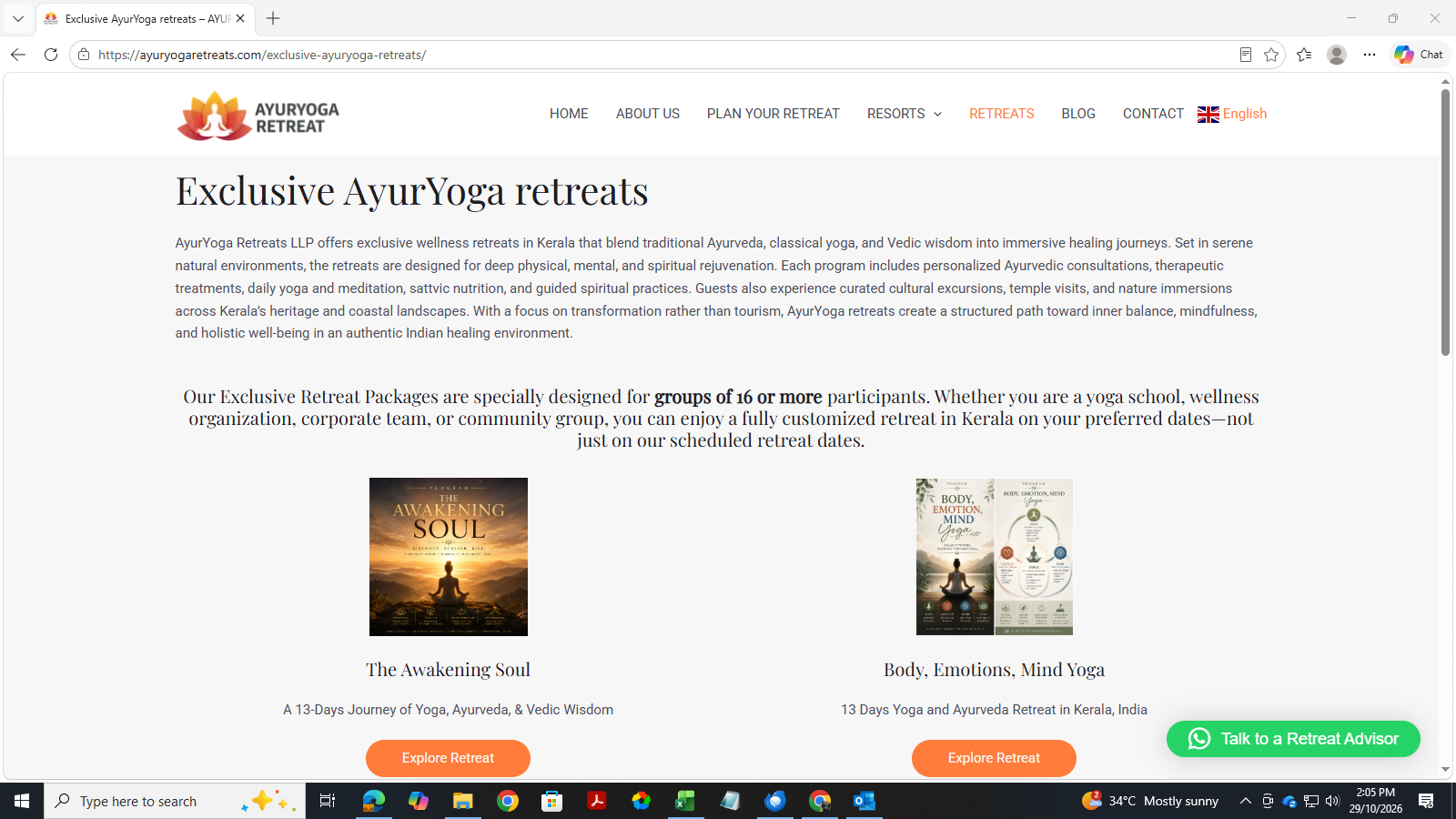
Whether you choose a gentle 13-day journey like The Awakening Soul or a focused clinical Panchakarma retreat, stepping away from daily demands to immerse yourself in classical healing is one of the most powerful decisions you can make for your long-term health.
If you are ready to explore how authentic programs can support your personal health goals, explore curated, doctor-backed options directly at ayuryogaretreats.com.
— ayuryogaretreats.com
Frequently Asked Questions About Yoga Retreats in Kerala
What is the difference between a standard yoga retreat and an AyurYoga retreat in Kerala?
A standard yoga retreat focuses primarily on group physical movement (asana), general relaxation, and basic fitness. An AyurYoga retreat in Kerala combines traditional, custom-tailored yoga with clinical Ayurvedic medicine (Panchakarma). Daily routines are supervised by certified Ayurvedic doctors (Vaidyas), and meals, treatments, and postures are prescribed specifically for your personal Dosha (constitution) and current health needs.
How long should a panchakarma yoga retreat last for maximum benefits?
For maximum clinical benefit, a panchakarma yoga retreat should last 14 to 21 days. This duration provides adequate time for pre-purification (Snehana and Swedana), primary deep detoxification procedures, and the essential post-cleansing recovery phase (Samsarjana Krama). A 7-day stay provides excellent stress relief and rejuvenation, but true cellular detoxification requires at least two full weeks.
Do I need prior yoga experience to join a certified yoga retreat in India?
No prior yoga experience is required. Certified retreat centers cater to absolute beginners as well as advanced practitioners. Because authentic AyurYoga is applied therapeutically rather than competitively, postures are modified to suit your current flexibility, age, and physical condition under medical guidance.
When is the best time of year to undergo an Ayurveda and yoga program in Kerala?
While retreats run year-round, the monsoon season (June to September) is traditionally considered the most effective time for Ayurvedic detoxification. The ambient humidity opens the pores and softens bodily tissues, allowing medicinal oils to penetrate deeply. However, if you prefer dry, sunny weather alongside your retreat, November through March offers comfortable temperature levels.