

When planning a journey to practice yoga in India, most seekers immediately picture the foothills of the Himalayas. We imagine Rishikesh: ringing temple bells, orange-robed sadhus, and rigorous 5:00 AM Ashtanga drills in crowded ashram halls. Rishikesh has rightfully earned its status as a world capital of yogic study, but it represents only one side of a vast subcontinent.
If you are dealing with chronic stress, physical burnout, or joint pain, the ascetic intensity of the North may deplete you further.
There is an entirely different approach awaiting you in South India. In Kerala, yoga was never treated merely as physical exercise or solitary asceticism. Here, it evolved as an essential therapeutic sister science to Ayurveda. Instead of pushing your body to achieve complex inversions on an empty stomach, Kerala invites you to slow down, regulate your nervous system, and heal from the inside out.
Before booking a flight, you need to understand the fundamental philosophical divide between Northern discipline and Southern rejuvenation.
At a Glance: Kerala vs Rishikesh Yoga
To help you decide between the two epicenters of an authentic yoga practice India offers, here is how the Northern and Southern traditions compare across essential metrics:
| Evaluation Criteria | Rishikesh (Northern Tradition) | Kerala (Southern Tradition) |
|---|---|---|
| Primary Philosophy | Classical asceticism, Vedic philosophy, tapas (heat/discipline) | Therapeutic restoration, chikitsa (healing), prana cultivation |
| Dominant Yoga Styles | Ashtanga Vinyasa, Classical Hatha, Kundalini | Sivananda, Restorative Hatha, Gentle Therapeutic Yoga |
| Medical Integration | Rare; ashrams focus on spiritual self-study | Central; daily doctor-led Ayurvedic treatments & Panchakarma |
| Physical Demands | High to extreme; 4–6 hours of daily asana practice | Low to moderate; gentle alignment, breathwork, and nervous system reset |
| Daily Schedule | Rigid, early-morning ashram timetable (5:00 AM start) | Balanced, tailored to bio-rhythms and customized therapy plans |
| Dietary Approach | Basic sattvic ashram food (lentils, rice, flatbreads) | Medically prescribed, dosha-specific organic Ayurvedic cuisine |
| Climate & Setting | Himalayan river valley; cold winters, blistering summers | Tropical coastal backwaters, lush greenery, humid, healing sea air |
| Typical Cost Range | $30–$90/night (Ashrams and budget TTC academies) | $90–$250/night (Comprehensive retreats with medical therapies included) |

Infographic by SiteLift
How to Choose the Right Destination for Yoga in India: Core Evaluation Criteria
Choosing where to study or practice yoga across India is not just a matter of scenery. The destination you choose fundamentally dictates the physical strain, mental focus, and medical safety of your trip.
When evaluating retreat options, weigh these four criteria against your current physical and emotional needs:
1. Therapeutic and Physical Intensity
Traditional yogic texts distinguish between tapas (austerity or voluntary self-discipline designed to burn through mental impurities) and chikitsa (therapy designed to restore balance to a depleted system).
If you are an experienced practitioner looking to test your physical endurance, an intensive physical curriculum will serve you well. However, if your adrenal glands are exhausted from corporate stress, demanding 90-minute vinyasa flows twice a day will spike your cortisol rather than lower it.
2. Holistic Medical Integration (Ayurveda and Naturopathy)
Yoga alone does not diagnose internal metabolic imbalances, tissue depletion, or chronic systemic inflammation. A destination that offers a true ayurveda and yoga combination provides a doctor-supervised environment.
Data from the Ministry of AYUSH demonstrates that over 30% of international travelers coming to India for medical and alternative wellness specifically seek AYUSH-certified programs (Ayurveda, Yoga, Unani, Siddha, and Homeopathy). Medical oversight ensures your physical movement aligns directly with your body’s constitutional balance.
3. Environment, Climate, and Sanctuary Setting
The environment you inhabit sets the tone for your nervous system. Himalayan river valleys offer crisp, stimulating mountain air that encourages intellectual study, spiritual debate, and energetic awakening.
In contrast, tropical coastal environments offer high humidity, warmth, and lush green canopies. Warmth softens muscle tissue, lubricates stiff joints, and allows the body to release stored tension without forcing postures.
4. Lineage, Teaching Style, and Accreditation
India’s teaching lineages vary wildly. The North is heavily shaped by the classical Raja Yoga of Patanjali, monastic Himalayan masters, and modern Teacher Training Course (TTC) frameworks certified by Yoga Alliance.
The South carries deep roots in integral synthesis—most notably through the Sivananda lineage—alongside indigenous Kalari movement arts and medical texts like the Ashtanga Hridaya.
Option 1: Rishikesh and the Northern Tradition (The Classical, Ascetic Path)
Rishikesh sits where the emerald Ganges tumbles out of the Shivalik Hills. For centuries, spiritual seekers, yogis, and householders have made pilgrimages here to meditate on riverbanks where saints established their hermitages.
Philosophy and Lineage: The Capital of Yoga and Vedantic Study
The Northern tradition approaches yoga as an austere path of spiritual self-mastery. Rishikesh is saturated with the teachings of Advaita Vedanta and classical Hatha yoga. The focus here is on mastering the unruly mind through direct physical control, mantra japa, and philosophical immersion.
If your goal is to read the Upanishads, wake up before dawn to chant sacred hymns, and learn the historical mechanics of traditional postures, Rishikesh provides an undeniable historical aura.
Typical Daily Regimen: Rishikesh Ashram
├── 05:00 AM: Wake-up bell & herbal tea
├── 05:30 AM: Satsang, chanting, and silent meditation
├── 06:30 AM: Intensive Classical Hatha or Ashtanga (90–120 min)
├── 09:00 AM: Simple ashram breakfast (kichari, fruit, chai)
├── 10:30 AM: Yoga philosophy, anatomy, or Sanskrit lecture
├── 01:00 PM: Vegetarian lunch & personal study
├── 04:00 PM: Afternoon Vinyasa or adjustment clinic (90 min)
├── 06:00 PM: Ganga Aarti ceremony at the river
└── 08:00 PM: Light dinner, silent reflection, lights out by 09:30 PM
Atmosphere and Intensity: High-Energy Ashrams and TTC Bootcamps
In recent decades, Rishikesh has become the world’s primary engine for 200-hour and 300-hour Yoga Teacher Training Courses. While this makes it accessible and affordable, it has also given the town a high-octane, backpacker-heavy atmosphere.
Streets in neighborhoods like Tapovan buzz with scooters, cafes, crystal shops, and hundreds of aspiring teachers rushing between anatomy lectures and alignment classes. The energy is inspiring, vibrant, and deeply social, but it is rarely quiet.
Pro Tip: If you do choose Rishikesh, look for ashrams located well outside the congested Tapovan and Lakshman Jhula commercial zones to avoid street noise during your morning meditation.
Best Suited For: Aspiring Instructors and Spiritual Ascetics
Rishikesh is the gold standard for students who possess a solid baseline of physical fitness and want an academic, movement-heavy immersion. It is ideal for those who thrive on group camaraderie, early morning discipline, and the sheer cultural thrill of the Himalayan foothills.
However, if you arrive with a frozen shoulder, lower-back sciatica, or severe adrenal burnout, the physical demands of northern ashrams can quickly lead to injury.
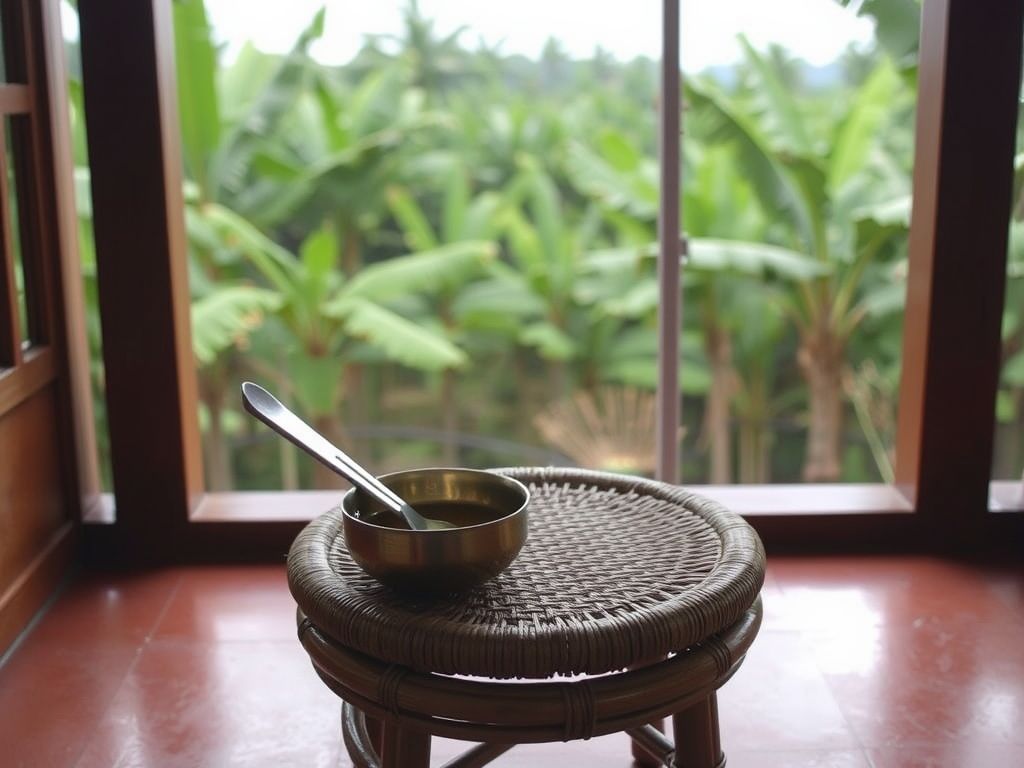
Option 2: Kerala and the Southern Tradition for Yoga in India (The Gentle, Healing Path)
Travel south to Kerala, and the pace of life changes entirely. Known as “God’s Own Country,” Kerala is a narrow strip of land lined with coconut groves, tranquil backwaters, spice plantations, and the Arabian Sea. Here, yoga was never practiced in isolation from physical medicine.
Philosophy and Lineage: Therapeutic Restoration and Prana Cultivation
In Kerala, yoga is viewed through the lens of chikitsa—the Sanskrit word for healing and therapy. The South has long understood that a sick or depleted body cannot sit comfortably in meditation. Therefore, yoga exists to open the energetic channels (nadis) and harmonize the vital life force (prana) so that the body can heal itself.
Lineages like Sivananda Yoga—originating with Swami Sivananda and brought south through his ashram in the foothills of Neyyar Dam—emphasize gentle flow, long holds in foundational postures, abundant savasana pauses between asanas, and deep pranayama. The goal is not to perform a picture-perfect handstand, but to down-regulate a frazzled autonomic nervous system.
A clinical review published by the National Center for Complementary and Integrative Health (NCCIH) confirms that yoga combined with structured mind-body lifestyle interventions significantly reduces biological markers of chronic stress and systemic inflammation. Kerala’s retreats build their entire methodology around this exact clinical reality.
The Ayurveda and Yoga Combination: Synchronized Panchakarma and Asana
What sets Kerala apart from any other yogic destination on earth is its unbroken 5,000-year living tradition of Ayurveda. In Kerala, your yoga practice is prescribed by an Ayurvedic physician (Vaidya), who assesses your unique constitution (prakriti) and current systemic imbalances (vikriti).
The Kerala Integrative Wellness Cycle:
[Ayurvedic Pulse Diagnosis]
          │
          ▼
[Customized Panchakarma Cleansing & Herbal Oil Therapies]
          │
          ▼
[Gentle Therapeutic Yoga & Breathwork to Circulate Toxins]
          │
          ▼
[Dosha-Specific Nutrition to Rebuild Vital Tissues (Ojas)]
If you undergo a classical Panchakarma detox, you will not be permitted to do high-intensity power yoga. Vigorous exercise during deep cleansing diverts blood flow away from the internal organs back to the skeletal muscles, disrupting the detox process.
Instead, instructors guide you through soft, restorative movements, gentle spinal twists, and diaphragmatic breathing designed to soothe the nervous system while medicated herbal oils and hot steam therapies work on your tissues. If you want to understand how deep this holistic balance goes, exploring the importance of yoga in modern life reveals why gentle movement matters far more than intense gymnastics.
Atmosphere and Setting: Coastal Backwaters, Monsoons, and Quiet Sanctuaries
Kerala’s environment is inherently tranquil. Retreat sanctuaries sit along quiet lagoons, tucked inside tropical forests, or atop cliffs overlooking the sea.
The tropical climate keeps your muscles pliable and relaxed. In fact, traditional texts consider the monsoon season (Karkidaka, from June to September) the premier time for physical renewal. The cool, humid air opens the pores of the skin, making the body receptive to herbal oils, deep-tissue treatments, and gentle stretching.
Pro Tip: Don’t shy away from visiting Kerala during the monsoon season. The persistent rain creates an immersive sanctuary feel, and the high humidity maximizes flexibility while keeping retreat centers peaceful and uncrowded.
Best Suited For: Burnout Recovery, Chronic Health Rebalance, and Gentle Renewal
Kerala is the haven for anyone who feels that modern life has depleted their vitality. It is designed for:
- Professionals recovering from severe nervous system exhaustion or chronic insomnia.
- Travelers managing joint inflammation, autoimmune conditions, or mobility restrictions who fear getting injured in athletic yoga classes.
- Seekers wanting an authentic, medically grounded detox that cleanses the digestive tract while soothing the mind.
Why Restorative Southern Lineages Are Criminally Underrated
In the West, modern yoga culture has largely evolved into an offshoot of gymnastics. We celebrate hyper-flexibility, handstands against brick walls, and sweat-drenched studios. When Westerners plan a trip to experience traditional yoga India, they often carry this athletic bias with them, naturally gravitating toward the physical bootcamps of Rishikesh or Goa.
I believe this focus misses the true genius of Indian wellness philosophy.
Pushing through a punishing six-hour daily asana routine when your nervous system is already frayed does not build spiritual enlightenment. It builds chronic inflammation and torn hamstrings.
The Southern tradition understands something profound that the modern fitness world frequently forgets: healing requires surrender, not conquest.
In a quiet Kerala sanctuary, nobody cares if you can touch your toes or balance on your forearms. An Ayurvedic doctor checks your pulse, notes the dark circles under your eyes and the stiffness in your cervical spine, and instructs the yoga master to work on opening your thoracic cage through breathwork.
You spend 60 minutes doing slow, conscious movements, supported by bolsters, surrounded by the scent of medicinal oils and damp palm leaves. You walk away with your parasympathetic nervous system restored. That is not “watered-down” yoga; it is yogic medicine in its most sophisticated, traditional form.
Kerala vs Rishikesh Yoga: Direct Head-to-Head Comparison
To help you visualize how your days would actually feel in both places, let’s look at the daily routines and structures of these two contrasting paths.
A Day in Rishikesh (Ascetic Discipline)       A Day in Kerala (Therapeutic Healing)
┌──────────────────────────────────────┐     ┌──────────────────────────────────────┐
│ 05:00 AM - Wake-up Bell & Chanting   │     │ 06:30 AM - Herbal Elixir & Nature Walk│
│ 06:30 AM - Intense Ashtanga/Hatha    │     │ 07:00 AM - Gentle Prana/Sivananda Yoga│
│ 09:00 AM - Communal Ashram Breakfast │     │ 08:30 AM - Personalized Dosha Breakfast│
│ 10:30 AM - Philosophy & Alignment    │     │ 10:00 AM - Doctor Consultation & Oils │
│ 01:00 PM - Simple Vegetarian Lunch   │     │ 01:00 PM - Tailored Ayurvedic Lunch  │
│ 04:00 PM - Vinyasa Flow (Intensive)  │     │ 03:30 PM - Restorative Asana & Nidra │
│ 06:00 PM - River Ganga Aarti Chants  │     │ 05:30 PM - Meditation / Sunset Breath │
│ 08:00 PM - Self-study / Silence      │     │ 07:00 PM - Light Medicinal Dinner    │
└──────────────────────────────────────┘     └──────────────────────────────────────┘
Side-by-Side Breakdown: Pace, Focus, and Daily Regimen
1. Pace of the Day
- Rishikesh: Fast-paced and academically structured. Your calendar is packed from dawn until night with lectures, practices, and community duties (seva). You are there to learn, absorb, and practice with rigor.
- Kerala: Spacious, rhythmic, and restorative. There are long stretches of open time built into your day specifically designed for rest. Healing cannot occur when the mind is checking a clock.
2. Physical Demands vs. Restorative Healing
- Rishikesh: Pushes physical boundaries. Teachers emphasize correct skeletal alignment, core engagement, and building muscular endurance. It is common to experience significant muscle soreness during your first two weeks.
- Kerala: Honors anatomical boundaries. Poses are modified using props, pillows, and gentle pacing. The focus shifts away from outward aesthetics toward internal body awareness and gentle release.
3. Nutrition and Dietary Philosophy
- Rishikesh: Ashram food is typically pure sattvic vegetarian fare: boiled lentils (dal), white rice, wheat rotis, and seasonal steamed vegetables. It is simple, clean, and unpretentious, designed to fuel meditation without exciting the senses.
- Kerala: Food is treated as active medicine (Ahara). Meals are prepared according to your specific metabolic type (Vata, Pitta, or Kapha). Expect fresh coconut, red rice, digestive spices like cumin, ginger, and turmeric, and healing broths calibrated to support your digestive fire (agni).
According to research published by the Global Wellness Institute (GWI), wellness tourism in the Asia-Pacific region has expanded rapidly at over 16% annually, driven largely by travelers seeking integrated dietary and holistic health modalities that commercial hotels simply cannot provide. Kerala stands as the benchmark for this food-as-medicine philosophy.
Which Path Is Right for You? Use-Case Recommendations
To make an honest decision, set aside any romantic notions of what an “authentic” yoga trip looks like and assess what your body actually requires right now.
Choose Rishikesh If:
- You want to become a certified teacher: Rishikesh is arguably the best place on earth to complete a comprehensive, affordable 200-hour or 300-hour Yoga Alliance teacher training course.
- You seek intense physical discipline: You love working up a sweat, want to deepen your arm balances, and thrive in structured group environments with strict ashram rules.
- You want Himalayan spiritual culture: You want to sit on the banks of the sacred Ganges, attend evening fire ceremonies, study classical Sanskrit mantras, and immerse yourself in ancient North Indian ascetic culture.
- You are on a shoestring budget: Rishikesh offers an endless supply of low-cost ashrams and guesthouses suited to long-term backpackers.
Choose Kerala If:
- You are recovering from burnout or chronic fatigue: Your nervous system cannot handle 6:00 AM alarm bells and grueling physical workouts. You need deep sleep, restorative rest, and gentle movement.
- You want full-body physical medicine: You want your yoga practice paired with authentic Ayurvedic healing, including warm herbal oil massages (Abhyanga), warm oil pouring (Shirodhara), and herbal steam baths.
- You suffer from chronic pain or joint issues: You need seasoned teachers who understand how to adapt postures to accommodate herniated discs, arthritis, or past surgeries without risking injury.
- You crave quiet, tropical nature: You want to wake up to birdsong in a quiet backwater estuary or tropical seaside sanctuary rather than city traffic and street vendor horns.
If you are torn between experiencing India’s rich spiritual landmarks and dedicating time to pure recovery, consider combining your retreat with a broader cultural itinerary. Traveling through South India’s temple towns before settling into a peaceful coastal haven on a curated yogic tour gives you the best of both worlds: cultural immersion followed by restorative care.
Plan Your Authentic Healing Journey with AyurYoga Retreats
Planning a wellness trip halfway around the world can feel overwhelming. With thousands of retreat centers across the country, distinguishing between commercial tourist resorts and genuine centers of classical healing is difficult.
At ayuryogaretreats.com, we bridge this gap for international travelers. Drawing on over two decades of traditional wellness wisdom, we curate handpicked, medically accredited Ayurveda and yoga retreats nestled across the quietest backwaters and coastal sanctuaries of Kerala.
Every journey we facilitate is designed around doctor-led consultations, ensuring that your daily yoga classes, detox therapies, and dosha-specific meals work together to rebuild your physical vitality. Whether you need a 14-day Panchakarma reset or a gentle coastal sanctuary to release accumulated stress, we handle all the logistics—from initial medical intake to end-to-end travel coordination.
True yoga does not ask you to bend your body into knots; it asks you to untie the knots that life has tied inside your nervous system. In the quiet sanctuaries of Kerala, that untying finally becomes possible.
— ayuryogaretreats.com
Frequently Asked Questions About Yoga in India
What is the primary difference between yoga in Kerala and yoga in Rishikesh?
The main difference lies in intent and physical intensity. Yoga in Rishikesh follows an ascetic, movement-heavy Northern tradition centered on classical Hatha, Ashtanga, philosophy study, and rigorous teacher training bootcamps. Yoga in Kerala follows a gentle, therapeutic Southern tradition where asana and pranayama are integrated with doctor-supervised Ayurvedic medicine, Panchakarma detox, and restorative healing to balance the nervous system.
Can a complete beginner practice authentic yoga in India without injury?
Yes, but choosing the right destination is critical. Beginners often sustain sprains or joint inflammation in high-intensity Northern ashrams that demand multi-hour athletic sessions. Kerala is exceptionally well suited for complete beginners and those with mobility limitations because classes prioritize gentle alignment, props, breath awareness, and doctor-prescribed modifications tailored to your current fitness level.
Why is Kerala known for combining Ayurveda with yoga retreats?
Kerala is the historical birthplace of Ayurveda, home to an unbroken living lineage of herbal medicine and holistic therapies dating back thousands of years. In Southern Indian philosophy, yoga and Ayurveda are inseparable sister sciences: Ayurveda heals internal metabolic, tissue, and organ imbalances, while yoga purifies the subtle energetic channels and calms the mind. Practicing them together creates deeper, longer-lasting healing than practicing either discipline alone.
What is the best time of year to visit Kerala for a yoga and healing retreat?
Kerala is a year-round wellness destination, but the ideal season depends on your goals. The dry, sunny months from October to March offer pleasant temperatures and calm seas, perfect for combining yoga with coastal sightseeing. However, traditional Ayurvedic practitioners consider the monsoon season (June to September) the optimal time for therapeutic healing, as the cool, humid atmosphere opens the pores and makes the body receptive to herbal treatments and gentle stretching.