
The Importance of Practicing Yoga in Modern Life

Published on Ayuryogaretreats.com – Your gateway to authentic Ayurveda & Yoga retreats in India
In today’s fast‑paced and stressful lifestyle, maintaining good health has become a major challenge. A disease‑free and strong body is the foundation for performing any activity effectively. Just as nutritious and disciplined food is essential, regular physical exercise is equally important. “Among all systems of exercise, yoga stands out, especially when experienced through authentic yoga retreats in India that focus on holistic healing.”
that nurtures both body and mind.
Ancient yogic masters have emphasized that yoga enhances intellectual clarity, improves work efficiency, and ensures smooth blood circulation. True wealth in human life is a healthy mind and a healthy body, because it is through them that we experience happiness and sorrow. Unfortunately, most people think about health only when illness strikes, just as they reflect on life only when death approaches.
Yoga and the Modern Health Crisis
Most modern diseases arise because we live against the fundamental laws of nature. Our present life is the cumulative result of our thoughts, words, and actions. Positive thinking, kind speech, righteous actions, selfless service, and a compassionate attitude nourish both physical and mental health.
The mind is the primary source of energy. The body draws its strength from the mind; when the mind weakens, the body also suffers. Negative experiences and adverse situations leave deep impressions on the mind, eventually leading to mental fatigue, stress, and illness. Yoga offers practical methods to overcome these challenges by strengthening inner awareness and balance.
What Is Yoga?
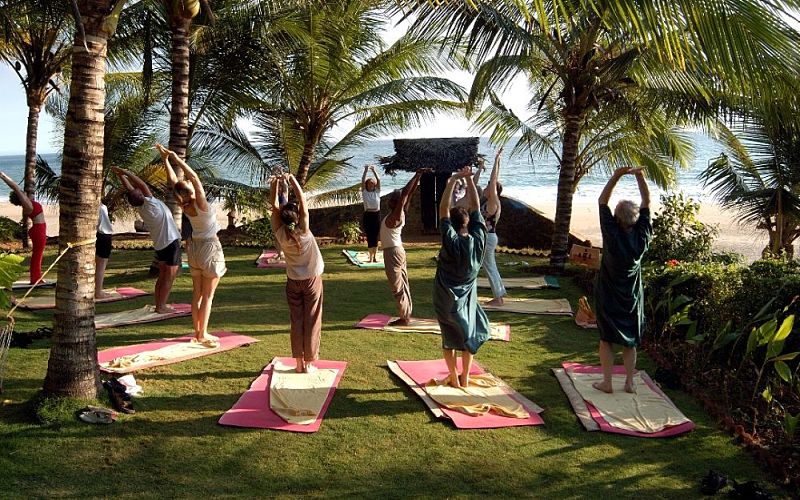
Yoga is one of the most precious contributions of ancient Indian wisdom. It signifies the union of the individual soul (Jivatma) with the supreme soul (Paramatma), or symbolically, the union of prana and apana. The ultimate goal of yoga is to elevate human consciousness to divine awareness, while simultaneously promoting physical and mental well‑being.
Maharshi Patanjali, the great sage, systematized yoga and defined it succinctly as:
“Yoga chitta vritti nirodhah” — Yoga is the cessation of the fluctuations of the mind.
The Eightfold Path of Yoga (Ashtanga Yoga)
Yoga is traditionally divided into eight limbs, known as Ashtanga Yoga:
- Yama (ethical restraints)
- Niyama (personal observances)
- Asana (postures)
- Pranayama (breath regulation)
- Pratyahara (withdrawal of senses)
- Dharana (concentration)
- Dhyana (meditation)
- Samadhi (state of supreme awareness)
The first four limbs form Hatha Yoga, which focuses on strengthening and purifying the body and mind. The latter four form Raja Yoga, which leads to spiritual awakening. Without practicing Yama and Niyama, one cannot truly progress on the yogic path.
Who Can Practice Yoga?
Yoga is a universal science suitable for people of all ages and genders, from children to the elderly. A common misconception is that yoga is meant only for ascetics or monks. In reality, family life is not an obstacle; rather, yoga strengthens relationships and emotional stability.
Yoga is not bound to any religion. It is a cultural and scientific heritage of India, open to everyone. However, yoga practice should be tailored according to a person’s age, health condition, physical capacity, and existing ailments, under proper guidance.
When and How to Practice Yoga
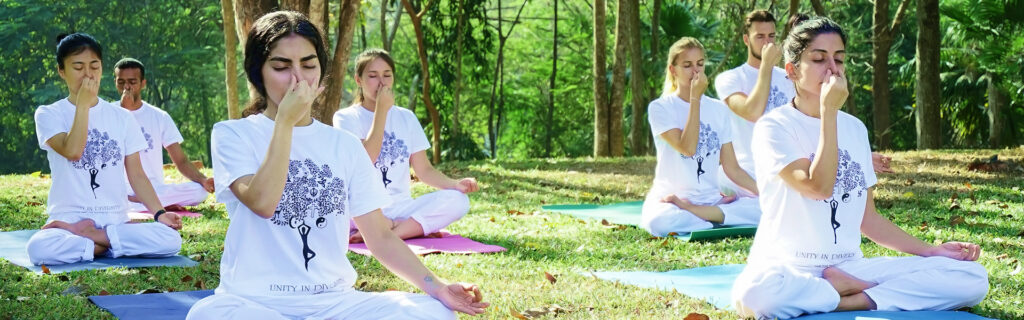
Yoga should be practiced after completing daily routines and cleansing the body. Although it can be done in the evening, early morning is considered the most beneficial time. Choose a quiet, well‑ventilated room free from disturbances.
Wear light, comfortable clothing that allows free movement. Yoga should be practiced on a mat placed on a flat surface, ensuring the body does not directly touch the ground. Fans should be avoided during practice, and yoga should not be performed during severe illness.
It is recommended to practice yoga at least four hours after a heavy meal. Water may be consumed about 30 minutes before practice, and food should be taken only 30 minutes after completing yoga.
Learning yoga under the guidance of a qualified teacher is essential. It should not be learned solely from books or videos. Yoga is not a short‑term exercise routine but a lifelong way of living.
Transformations Brought About by Yoga
The human body is composed of the five elements. Disease occurs when their balance is disturbed, leading to disharmony in bodily functions. Yoga restores this balance by regulating organs, improving circulation, and strengthening bodily tissues (dhatus).
Nature has provided everything required for humans to live peacefully and with longevity. When we ignore natural principles, life becomes unstable. Protecting the body from disease is a personal responsibility, because only with a healthy body and an energetic mind can we serve ourselves and society effectively.
Yoga plays a crucial role in developing rational thinking, inner awareness, emotional stability, and a life rooted in truth.
Yoga, Diet, and Lifestyle
Excessive eating damages health and invites disease. There is a widespread belief that strength and intelligence come only from consuming fish, meat, and eggs. This is a misconception. Such diets often disturb digestion and increase lifestyle disorders.
Vegetarian diets are generally associated with fewer digestive ailments. Food deeply influences our thoughts and behavior. Calm animals like cows, goats, and rabbits are herbivores, while carnivorous animals such as lions and tigers exhibit aggression. This observation highlights the impact of diet on temperament.
Therefore, yoga alone is not enough. Dietary discipline and a balanced lifestyle are equally important for holistic health.
Conclusion
At Ayuryogaretreats.com, we believe yoga is not just a practice but a way of life that complements authentic Ayurvedic healing.
Yoga is not merely a physical exercise—it is a comprehensive science of life. By integrating yoga into daily routine, one can achieve physical health, mental clarity, emotional balance, and spiritual growth. In an age dominated by stress and distraction, yoga remains one of the most powerful tools to restore harmony between body, mind, and nature.

Looking for authentic yoga and Ayurveda retreats in India? Explore our handpicked wellness retreats in Kerala and across India, designed for healing, relaxation, and inner transformation.
“For those seeking authentic experiences, explore retreats like Akanta Ayurveda & Yoga Retreat and Manaltheeram Ayurveda Beach Resort
