
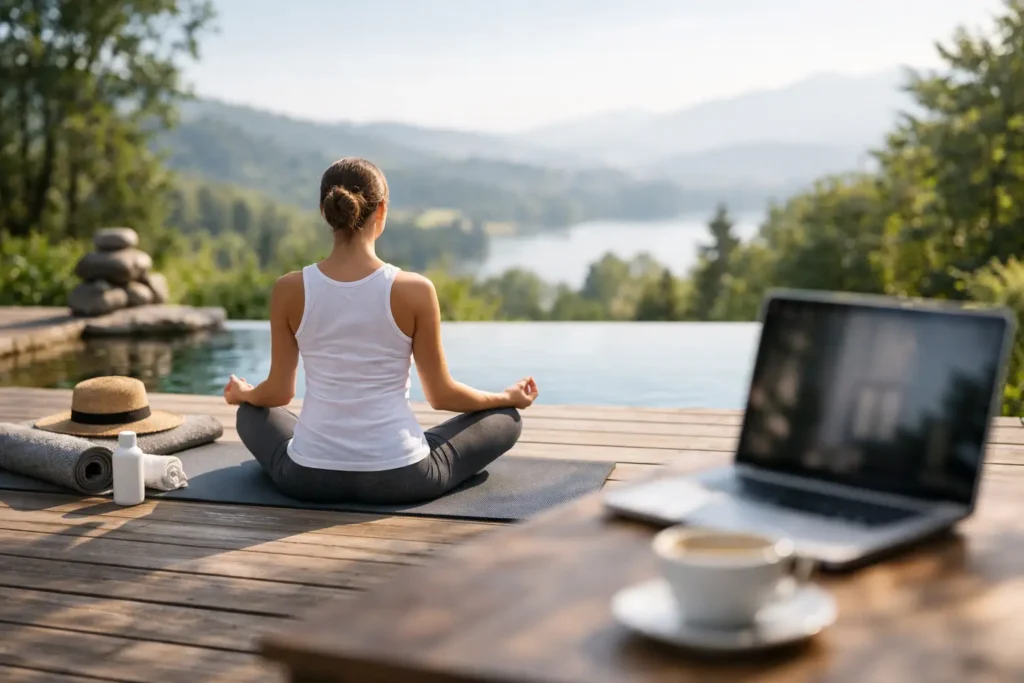
Monday starts before sunrise, your inbox is already full, and by Thursday your shoulders feel like they have been holding up the whole week. That is usually the moment people begin searching for the beste Yoga Auszeit für Berufstätige – not because they want a trendy getaway, but because their body and mind are asking for real recovery.
For working professionals, a yoga retreat should do more than offer beautiful photos and a few classes by the pool. It should create measurable relief from stress, support better sleep, calm an overactive nervous system, and give you practices you can actually carry back into daily life. The best choice is rarely the most glamorous one. It is the one that meets you where you are: tired, overstretched, successful on paper, and ready to feel balanced again.
What makes the beste Yoga Auszeit für Berufstätige?
The answer depends on why you need the break in the first place. If you are mentally drained but physically well, a gentle yoga and meditation retreat may be enough. If you are dealing with burnout, poor digestion, anxiety, or chronic fatigue, yoga alone may feel too light. In that case, a retreat that combines yoga with Ayurveda, therapeutic bodywork, guided rest, and medical consultation often brings deeper results.
This is where many professionals make a costly mistake. They book based on destination appeal rather than recovery value. A beach setting is lovely, but scenery does not regulate cortisol. A packed schedule may feel productive, but it can leave you returning home just as exhausted as when you left.
A strong retreat for professionals usually has five qualities. It offers a clear structure without overscheduling. It includes experienced teachers who understand stress, not just flexibility. It provides nourishing food and space for sleep. It respects that guests may be new to yoga or returning after years away. And it supports a gradual reset rather than a performance mindset.
Why busy professionals need more than a weekend spa break
There is a difference between feeling briefly pampered and truly restored. A spa weekend can be pleasant, but many professionals return to work with the same shallow breathing, mental fatigue, and disrupted sleep they had before they left. The nervous system rarely resets in a meaningful way when the schedule is rushed and the healing approach is surface-level.
Yoga retreats designed for career-focused adults work best when they slow the pace enough for the body to shift out of constant alert mode. That takes time. For some people, three or four nights can create a noticeable change. For others, especially those carrying prolonged stress, seven to fourteen days makes a much stronger impact.
This is one reason Kerala has become such a meaningful destination for wellness travel. Here, yoga is often supported by Ayurveda, a holistic medical tradition that looks at energy, digestion, sleep, stress response, and constitutional balance. Instead of treating exhaustion as a vague modern problem, it is approached with a more complete lens.
The retreat length that actually works
If you are trying to find the beste Yoga Auszeit für Berufstätige, duration matters more than most marketing suggests. A two-night retreat can help you pause. A five- to seven-night retreat can help you recover. A ten- to fourteen-night retreat can begin to change patterns.
Short retreats are best for professionals who mainly need a circuit breaker – a quick interruption to overwork, screens, and constant decision-making. They are practical for managers, founders, and parents who cannot step away for long.
Medium-length retreats tend to suit most working adults. You have enough time to settle into daily yoga, improve sleep, receive body treatments, and feel the difference between being entertained and being restored.
Longer retreats are often ideal for burnout recovery, post-stress healing, or transitions after a major life event. They require more planning, but they also allow deeper work. The trade-off is obvious: more time away from work, family, or responsibilities. But for some guests, that investment prevents a much larger cost later.
Yoga style matters more than trendiness
Not every professional needs intense vinyasa at sunrise. In fact, many do better with a softer, more therapeutic approach. If your nervous system is overstimulated, strong physical practice may energize you in the wrong direction.
Look for retreats that offer a balanced method – gentle hatha, restorative yoga, breathwork, meditation, and mindful movement. These practices help release stored tension without turning the retreat into another arena for achievement.
If you already have a strong yoga background, you may enjoy a more immersive practice schedule. But if your main goal is recovery, the best program is often the one that leaves you feeling grounded, clear, and rested rather than physically depleted.
Why Kerala stands out for professional wellness travel
For professionals who want more than a standard yoga holiday, Kerala offers a rare combination of authenticity and support. The setting itself encourages exhalation: palm-lined waterways, warm climate, slower rhythms, and a long tradition of healing practices integrated into daily life.
More importantly, Kerala is one of the few places where yoga and Ayurveda can be experienced together in a way that feels culturally rooted rather than packaged. A well-designed retreat may include yoga classes, meditation, Ayurvedic doctor consultations, herbal therapies, therapeutic massage, personalized meals, and quiet time in nature. That integrated approach is especially valuable for people whose stress has become physical.
At its best, this kind of retreat does not just help you feel calm while you are away. It helps your body remember what balance feels like.
How to choose the right retreat without overpaying
Price matters, but value matters more. A low-cost retreat may exclude consultations, airport transfers, quality accommodations, or individualized care. A high-end retreat may be beautiful but too generic to justify the investment.
The better question is this: what level of care are you receiving for the price? Professionals should look for qualified instructors, credible Ayurvedic practitioners if included, comfortable accommodations, nutritious meals, and enough personal attention to adapt the program to energy levels and health needs.
Ask whether the retreat is suitable for beginners. Ask how many yoga sessions happen each day and whether rest is built into the schedule. Ask if treatments are personalized or standardized. If you are traveling internationally, practical support also matters. Seamless arrival planning, reliable transportation, and responsive communication remove friction before your healing even begins.
This is where experienced retreat specialists can make a real difference. Brands such as AyurYoga Retreats are appealing to many international guests because they combine authentic Kerala wellness traditions with structured travel support and customized retreat planning. For busy professionals, that balance is not a luxury. It is part of the healing experience.
Signs a retreat may not be right for you
A retreat is not automatically beneficial just because it includes yoga. Be cautious if the schedule is packed from dawn to night with little downtime. Also be wary of messaging that promises transformation without explaining how the program is structured.
If you are exhausted, a socially intense retreat with constant group activity may not help. If you are private by nature, shared accommodations or high-interaction formats may leave you feeling more taxed than restored. If you have health concerns, avoid any retreat that treats everyone the same.
The beste Yoga Auszeit für Berufstätige is not the one with the loudest branding. It is the one that understands stress is personal, recovery is layered, and healing requires both skill and space.
What you should feel when you return home
A good retreat does not need to make you into a different person. That pressure misses the point. What it should do is help you come back with more energy in the morning, calmer breathing, fewer stress spikes, and a stronger sense of what your body has been asking for.
You may also return with practical habits that fit real life: ten minutes of morning breathwork, an earlier dinner, reduced caffeine, a gentler evening routine, or a more honest boundary around work hours. These changes sound small, but they often have more lasting value than dramatic resolutions.
For professionals, the true test of a retreat is not how impressive it felt while you were there. It is whether your sleep improves, your mind softens, and your daily life becomes more sustainable after you come back.
If you have been postponing rest until the next project ends, the next quarter closes, or the next obligation passes, consider this your reminder: recovery works best when it is chosen before your body forces the decision. The right yoga retreat is not an escape from life. It is a way to return to it with steadier energy, clearer attention, and a deeper reserve of calm.