
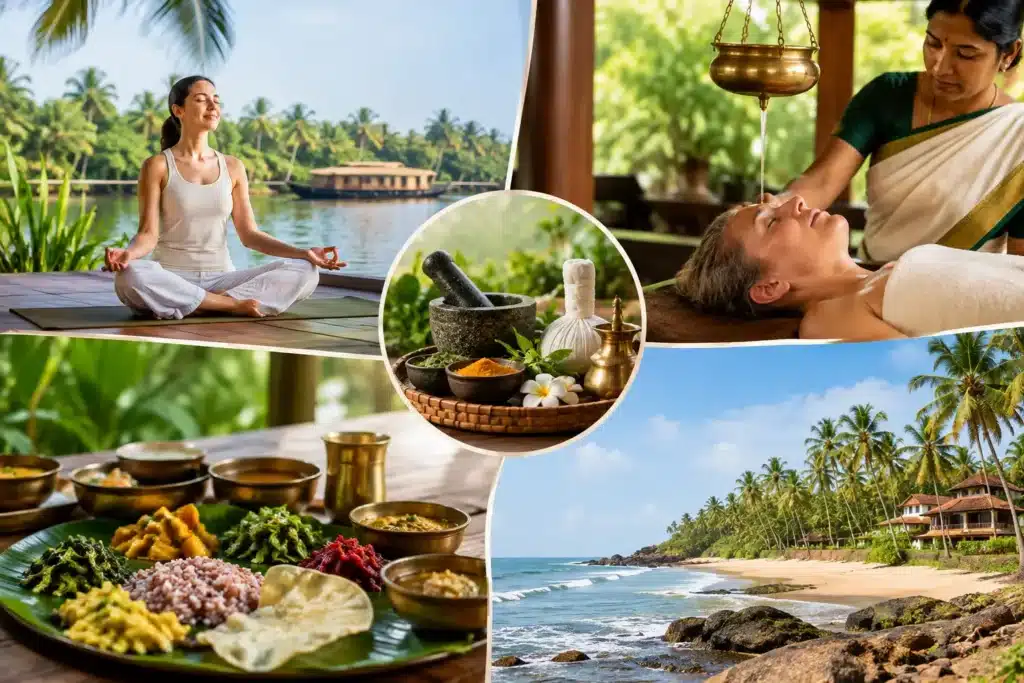
Kerala’s seasons do more than shape the view outside your retreat window. They influence humidity, daily energy, treatment comfort, travel pace, and the kind of wellness experience you may receive. If you are asking which season suits Ayurveda travel, the thoughtful answer is that it depends on your intention, constitution, and preferred style of stay. Yet for many guests, the monsoon months offer a particularly supportive setting for traditional Ayurvedic therapies.
A well-planned retreat can be deeply restorative in any season. The key is to choose the time that fits your goals – whether that means focused Panchakarma, gentle rejuvenation, yoga by the backwaters, or a calm break from a demanding routine.
Which season suits Ayurveda travel best?
For intensive, doctor-guided Ayurveda programs, Kerala’s monsoon season, generally from June through September, is often regarded as the most favorable period. The air is cooler, rain softens the landscape, and the slower rhythm of the season naturally encourages rest. In classical Ayurvedic practice, this climate is often considered supportive for therapies involving herbal oils, massage, steam, and cleansing routines.
That does not mean monsoon is the only good time to travel. October through February brings drier weather and more comfortable conditions for guests who would like to balance treatments with sightseeing, beach time, or outdoor yoga. March through May can suit travelers who enjoy warmth and prefer quieter stays, provided they are comfortable with higher temperatures and follow a program adapted to the season.
The best season is not simply about weather. It is about allowing enough time, choosing an accredited retreat setting, and receiving a personalized plan from qualified Ayurvedic practitioners.
Monsoon: best for immersive Ayurveda and Panchakarma
During monsoon, Kerala becomes vividly green, the rain arrives in rhythmic intervals, and retreat life turns inward. This is a wonderful season for guests who want to step away from a busy schedule and give their wellbeing full attention. It can feel especially aligned with a structured Ayurveda retreat, where treatments, nourishing meals, yoga, rest, and consultations form the center of each day.
The humid atmosphere is traditionally associated with greater softness in the body, which may support oil-based therapies and massage. Retreat physicians may recommend therapies such as Abhyanga, Shirodhara, herbal steam, or other treatments based on an individual consultation. Panchakarma, a carefully supervised cleansing and restorative approach, also requires the right preparation, treatment schedule, diet, and recovery time. It should never be treated as a one-size-fits-all vacation add-on.
There are practical trade-offs. Rain can affect outdoor excursions, and some days may feel very humid. Guests who want constant sunshine or a packed sightseeing itinerary may find the monsoon less suitable. But for travelers seeking quiet, reflection, and a more treatment-focused stay, rain can become part of the healing atmosphere rather than an inconvenience.
Who may enjoy a monsoon Ayurveda retreat?
Monsoon is often an excellent fit for wellness travelers who feel depleted, overstimulated, or ready to establish healthier rhythms. It also suits repeat Ayurveda guests who understand the value of an unhurried program, as well as small groups led by yoga teachers or wellness professionals who want meaningful time for practice and integration.
A retreat team can organize indoor yoga, meditation, wellness consultations, and cultural experiences around the weather. The aim is not to fill every hour. It is to create a protected space where the body and mind can settle.
October through February: best for wellness with exploration
The months after the main monsoon season are popular with international travelers for good reason. Days are usually drier, the heat is more moderate, and Kerala’s landscapes are inviting for gentle exploration. This period is a strong choice for first-time Ayurveda guests, couples, and families who want a restorative retreat without making treatments their only focus.
You can combine a personalized Ayurveda program with morning yoga, meditation, backwater experiences, walks, and time in destinations such as Kochi, Kumarakom, Varkala, or Kovalam. The exact balance should still reflect your treatment plan. If a physician recommends a quieter day after a therapy, that rest is part of the experience, not time lost.
This season can be ideal for rejuvenation programs designed around stress relief, sleep support, mobility, and renewed energy. It is also well suited to guests who prefer outdoor practice and fresh-air relaxation between appointments. Because it is a popular travel period, advance planning helps secure the retreat style, accommodation, and treatment schedule that best match your needs.
March through May: best for warmth, privacy, and lighter programs
Kerala’s summer months are warmer and can be humid, especially in coastal areas. For some travelers, that is a reason to choose another time. For others, it is an opportunity to enjoy a quieter retreat, more spacious surroundings, and a slower daily pace.
Summer can work beautifully for lighter rejuvenation stays, yoga retreats, meditation-focused breaks, and programs designed with cooling foods, calming practices, and treatments selected by an Ayurvedic doctor for the season. Early mornings and evenings are especially pleasant for yoga and mindful movement, while the middle of the day is best reserved for rest, therapies, reading, or a peaceful nap.
This is not usually the first recommendation for travelers who dislike heat or hope to spend long days outdoors. Still, with air-conditioned accommodation, thoughtful scheduling, and adequate hydration guidance from your retreat team, a summer wellness holiday can be deeply restful.
Let your wellness goal guide the timing
Rather than choosing a season only by temperature, begin with what you hope to feel when you return home. Someone seeking a concentrated therapeutic reset may value the introspective mood of monsoon. A traveler who wants both Ayurveda and Kerala’s natural beauty may prefer the cooler, drier months. Someone needing an uncrowded pause may find summer’s slower pace appealing.
Your available time matters too. A seven-night retreat can be valuable for relaxation and introductory treatments, while a more involved program may require two weeks or longer, including time to ease into and out of the schedule. Your retreat physician should review your health history, current concerns, energy level, and travel plans before recommending treatments. Ayurveda supports individualized care, not fixed promises.
International guests should also allow a day or two to recover from long-haul travel before beginning an intensive program. Arriving early, sleeping well, and giving yourself permission to slow down can make the retreat feel more settled from the start.
How to plan the right Ayurveda retreat season
Choose a retreat partner that takes your preferences seriously. Ask whether consultations are conducted by qualified Ayurvedic doctors, how treatments are customized, what daily yoga and meditation options are available, and how the schedule changes with the weather. These details matter more than a generic package description.
At AyurYoga Retreats, each Kerala wellness journey can be shaped around your preferred travel dates, desired pace, and wellness intentions. From carefully selected retreat settings to transportation and program coordination, thoughtful planning allows you to arrive with confidence and focus on what matters most: rest, renewal, and presence.
Pack according to the season, but keep your expectations flexible. Light, breathable clothing is useful year-round, while monsoon guests should bring a rain layer and footwear that handles wet paths. Most importantly, avoid scheduling your retreat like a conventional sightseeing trip. Ayurveda works best when there is room to rest after treatments, eat mindfully, and notice small changes in how you feel.
The right season is the one that gives you permission to pause. Whether rain falls gently beyond the treatment room or the morning sun welcomes you to yoga, Kerala offers a setting where healing rituals can become part of a more balanced way of living.