
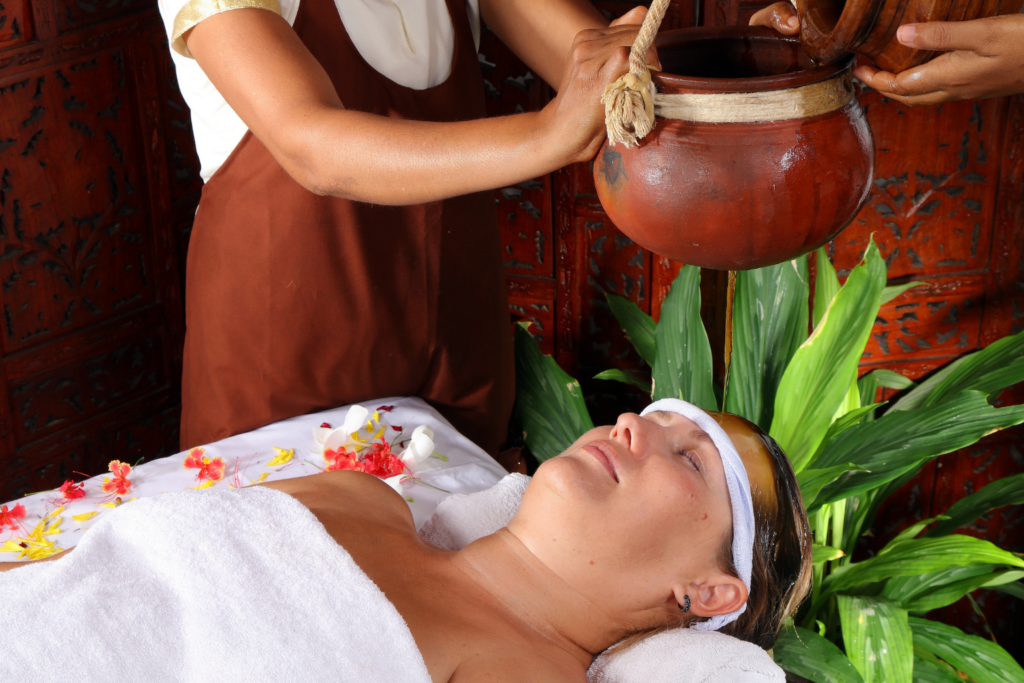
If you have ever wondered why Kerala is famous for Ayurveda, the answer is not just that treatments are offered there. Many places offer massages, herbal oils, and wellness packages. Kerala stands apart because Ayurveda in this region is still part of a living medical culture – practiced through family lineages, supported by formal training, shaped by local climate, and woven into daily life in a way few destinations can match.
For travelers seeking real healing rather than a decorative spa experience, that difference matters. In Kerala, Ayurveda is not treated as an add-on to a vacation. It is often the reason for the journey itself.
Why Kerala Is Famous for Ayurveda in the First Place
Kerala’s reputation rests on a rare combination of continuity and credibility. Ayurveda has been practiced here for centuries with unusual depth, and that tradition has not disappeared under modern tourism. Instead, it has been preserved through physicians, therapists, teaching institutions, medicinal plant knowledge, and treatment protocols that still follow classical principles.
That does not mean every Ayurvedic center in Kerala is identical, or that every retreat offers the same standard of care. The best experiences are distinguished by qualified doctors, proper diagnosis, personalized treatment plans, and disciplined therapies rather than generic oil treatments. This is one reason Kerala attracts serious wellness travelers, not only casual vacationers.
Another reason is the state’s long-standing public relationship with Ayurveda. You see it in pharmacies, family practices, government-supported institutions, and wellness infrastructure developed around authentic care. In many destinations, Ayurveda is imported. In Kerala, it belongs.
A Climate That Supports the Therapies
One of the less obvious reasons Kerala became a center for Ayurveda is its environment. The state’s warm humidity is considered especially supportive for many traditional therapies because it helps the body relax, supports sweating, and may allow herbal oils and external treatments to work more effectively. This is particularly relevant for therapies used in detoxification, joint support, stress reduction, and nervous system balance.
Monsoon season is often mentioned for the same reason. During this period, the atmosphere is cool, clean, and naturally calming after the heat builds. Many practitioners regard it as an ideal time for deeper treatment, especially Panchakarma-based programs. That does not mean healing only happens during the rains. It means Kerala’s climate gives Ayurveda a practical advantage throughout much of the year, with certain seasons offering added therapeutic value.
For international guests, this environmental fit can be surprising. The healing experience is not only about the treatment room. It is also about waking to moist air, eating warm food suited to your constitution, moving more slowly, and spending time in landscapes that quiet the nervous system.
Kerala Has the Herbs, Oils, and Local Knowledge
Ayurveda depends on materia medica – herbs, minerals, oils, decoctions, powders, and food-based preparations used with precision. Kerala’s biodiversity has supported this tradition for generations. The region is home to many medicinal plants used in classical and regional Ayurvedic practice, and that local availability helped sustain a strong treatment culture over time.
Equally important is the knowledge built around these medicines. Formulas are not meaningful by themselves if they are used mechanically. In respected Kerala centers, herbs and oils are selected according to the individual, the season, the imbalance being addressed, digestive strength, and treatment goals. The difference between a thoughtful Ayurvedic program and a superficial one often lies in this level of personalization.
This is also why genuine Ayurvedic care cannot be reduced to one famous massage. Abhyanga may be deeply nourishing, but for some guests the real progress comes from internal medicines, therapeutic diet, cleansing therapies, rest, and physician-led adjustments over several days or weeks. Kerala is known for Ayurveda because it preserves the whole system, not only the most marketable parts of it.
A Strong Lineage of Physicians and Therapists
Another answer to why Kerala is famous for Ayurveda lies in human skill. The state has a long tradition of Ayurvedic families, physicians, and therapists who have trained within both classical and institutional frameworks. This matters because Ayurveda is highly individualized. Good outcomes depend on correct assessment, appropriate sequencing, and close observation.
A trained doctor does more than assign a treatment. They assess constitution, current imbalance, digestion, sleep, stress patterns, energy, and symptoms that may not seem connected at first. From there, they build a program that can include therapies, herbal support, dietary changes, daily routine, and follow-up guidance.
Therapists are just as important. In Kerala, skilled Ayurvedic therapists are often trained in techniques that require synchronization, pressure control, oil application methods, and sensitivity to the guest’s condition. When done well, therapies feel both deeply restorative and clinically purposeful.
For travelers, this is one of the clearest markers of authenticity. A beautiful setting is lovely, but real trust comes from knowing that the people guiding your retreat understand both the tradition and your individual health needs.
Government Recognition Adds Confidence
Kerala’s Ayurvedic standing is not based on mythology alone. The state has built a strong reputation through education, regulation, and tourism standards that help distinguish credible providers from purely commercial ones. For international travelers, this creates a level of reassurance that is especially valuable when booking a healing retreat far from home.
Certification, doctor credentials, hygiene standards, treatment protocols, and institutional oversight all matter. Wellness travelers today are rightly more discerning. They want serene surroundings, but they also want proof that care is safe, organized, and led by qualified professionals.
This is where Kerala has an advantage over destinations that imitate Ayurveda without the same ecosystem behind it. A retreat can feel peaceful anywhere. A retreat grounded in certified Ayurvedic care, experienced practitioners, and established standards is much harder to replicate.
The Healing Experience Is Immersive, Not Fragmented
What makes Kerala especially compelling is that Ayurveda here is rarely offered in isolation. The strongest programs combine doctor consultations, daily therapies, yoga, meditation, therapeutic meals, herbal support, rest, and natural surroundings into one coherent rhythm. That integrated approach is often what guests need most.
Many people arrive carrying burnout, sleep disruption, chronic stress, digestive discomfort, emotional fatigue, or a general sense of disconnection. A single treatment may feel good, but it usually does not create meaningful change. Ayurveda works best when there is continuity – when the body receives the same message through food, touch, breath, routine, and environment.
This is why retreat design matters. Some travelers need an intensive Panchakarma program with close supervision. Others need a gentler reset focused on stress recovery, better sleep, yoga, and dosha-balancing meals. Kerala supports both. The setting allows healing to unfold as a complete experience rather than a menu of disconnected services.
For this reason, curated retreat companies such as AYUR YOGA have become valuable for international guests. The challenge is not simply finding Kerala. It is finding the right doctor-led program, the right property, and the right level of support for your goals, schedule, and comfort.
Tradition, Yes – but Not Every Center Is the Same
Kerala deserves its reputation, but discernment still matters. Some centers are deeply authentic and medically grounded. Others lean more toward spa-style relaxation with Ayurvedic language layered on top. Neither is inherently wrong, but they serve different purposes.
If your goal is serious healing, look for physician consultations, individualized treatment plans, qualified therapists, appropriate program length, and meals designed around Ayurvedic principles. If your goal is light restoration, a shorter wellness stay may be enough. The key is choosing with clarity.
This is one of the most useful things to understand before booking. Kerala is famous for Ayurveda because the depth exists there. But you only benefit from that depth when your retreat is matched to your needs.
Why This Matters to Modern Wellness Travelers
For many US travelers, Ayurveda in Kerala offers something increasingly rare – a slower, more intelligent model of care. It does not promise instant fixes. It asks how you sleep, digest, cope with stress, move through your day, and relate to your own energy. That broader lens can feel deeply relieving for people who are tired of fragmented health solutions.
Kerala also gives that healing process a setting that supports commitment. When treatment is combined with peaceful backwaters, ocean air, tropical greenery, and a culture that respects wellness as a serious practice, guests often find it easier to stay present with the work of recovery.
That is the deeper reason why Kerala remains the global reference point for Ayurvedic retreats. It offers more than tradition, more than beauty, and more than wellness branding. It offers a place where Ayurveda still has roots, structure, and lived authority.
If you are choosing a destination for genuine restoration, Kerala is not famous by accident. It earned that trust over generations – and for the right traveler, that trust can become the beginning of real change.
Pingback: Choosing a Panchakarma Retreat in Kerala – AYUR YOGA
Pingback: Ayurveda Retreat for Burnout Recovery – AYUR YOGA
Pingback: Corporate Wellness Retreat Kerala Guide – AYUR YOGA
Pingback: Personalized Panchakarma Program Kerala – AYUR YOGA
Pingback: Yoga Urlaub für innere Ruhe in Kerala – AYUR YOGA
Pingback: Panchakarma or Wellness Retreat: Which Fits? – AYUR YOGA
Pingback: Traditional Ayurveda Therapy Benefits Explained – AYUR YOGA