

If you have spent any time in Western yoga studios, you have likely encountered yoga as an athletic workout: dynamic sequences, sweaty vinyasa flows, and complicated inversions. Physical postures (asanas) are valuable, but they represent just one small branch of a vast tree. Authentic spiritual retreats offer something far deeper: an invitation to step off the mat and explore the psychological, philosophical, and ritualistic dimensions of ancient Indian wisdom.
When life feels overwhelming, high-paced, or lacking in deeper meaning, modern seekers increasingly turn to spiritual retreats in South India to recalibrate. Kerala, a narrow tropical corridor on India’s southwestern Malabar Coast, has drawn spiritual seekers for millennia. Known as “God’s Own Country,” Kerala offers more than lush palm groves and mist-shrouded tea plantations—it hosts living lineages of Advaita Vedanta, traditional temple rituals, and authentic Ayurvedic medicine.
This guide explores what makes a yoga philosophy retreat and sacred immersion in Kerala truly transformative, moving beyond physical exercise into the heart of inner growth.
Key Takeaways: Spiritual Retreats in Kerala at a Glance
| Feature | Physical Yoga Retreat | Ayurveda Detox Retreat | Traditional Spiritual Retreat |
|---|---|---|---|
| Primary Goal | Flexibility, strength, basic stress relief | Physical cleansing & dosha balance | Inner growth, mental clarity & self-realization |
| Core Practice | Dynamic asanas & basic breathwork | Customized herbal treatments & panchakarma | Satsang, scriptural study, meditation & mauna (silence) |
| Daily Routine | 2 physical classes daily + free time | Consultation + 2 daily treatments + light diet | Early morning meditation, chanting, lectures & seva |
| Diet | General vegetarian or vegan | Doctor-prescribed sattvic Ayurvedic meals | Pure sattvic, seasonal vegetarian meals |
| Best For | Active travelers & physical fitness | Chronic physical fatigue & bodily detoxification | Burnt-out professionals, seekers & life transitions |
What Are Spiritual Retreats and How Do They Go Beyond Asana?
To understand authentic spiritual retreats, we must look back at Patanjali’s classical Ashtanga Yoga (the Eight Limbs of Yoga). In Western fitness culture, posture (asana) receives nearly all the attention. Classical texts consider asana merely the third limb—a comfortable seat designed to steady the physical body so the mind can turn inward.
Patanjali's Eight Limbs of Yoga
├── 1. Yama (Ethical Restraints)
├── 2. Niyama (Personal Observances)
├── 3. Asana (Physical Posture)  <-- Modern physical retreats focus mainly here
├── 4. Pranayama (Breath Control)
├── 5. Pratyahara (Sensory Withdrawal)
├── 6. Dharana (Concentration)
├── 7. Dhyana (Meditation)       <-- Authentic spiritual retreats focus here
└── 8. Samadhi (Absorption/Realization)
Spiritual Retreats vs Yoga Retreats vs Wellness Holidays
It helps to clarify what sets these experiences apart:
- Wellness Holidays: Focus on luxury relaxation, spa treatments, pools, and casual sightseeing.
- Yoga Retreats: Center primarily on daily physical classes, movement workshops, and active relaxation.
- Spiritual Retreats: Focus on interior transformation. Movement is secondary to meditation (dhyana), breath control (pranayama), sensory withdrawal (pratyahara), and self-inquiry (atma vichara).
According to the American Psychological Association’s Stress in America survey, 76% of adults report physical or mental health impacts due to stress. Physical exercise helps manage these symptoms, but profound emotional release and mental stillness require addressing the mind directly. Clinical research published in JAMA Internal Medicine by Johns Hopkins University researchers indicates that structured mindfulness and meditation programs show moderate evidence of reducing anxiety, depression, and psychological pain.
The Four Pillars: Philosophy, Ritual, Silence and Self-Inquiry
An authentic spiritual retreat stands on four core pillars:
- Philosophy (Jnana): Studying sacred texts to understand the nature of mind, ego, suffering, and consciousness.
- Ritual (Bhakti & Kriya): Engaging in sacred practices like fire ceremonies (homa) and sound vibration (mantra) to quiet the nervous system.
- Silence (Mauna): Periodically stepping away from verbal communication to allow sensory overload to settle.
- Self-Inquiry (Atma Vichara): Contemplative questioning—asking “Who am I beyond my job, thoughts, and roles?”
Pro Tip: If you are seeking profound mental clarity, look for retreats that incorporate daily periodized silence (mauna) between sunset and breakfast. The stillness allows your nervous system to process suppressed emotions without social distractions.
Why Choose Kerala for Spiritual Retreats and Deep Healing?
Kerala holds a unique position in India’s spiritual landscape. Unlike northern spiritual hubs that can feel intense or congested, Kerala’s tropical environment offers a gentle, low-stimulation background ideal for contemplation.
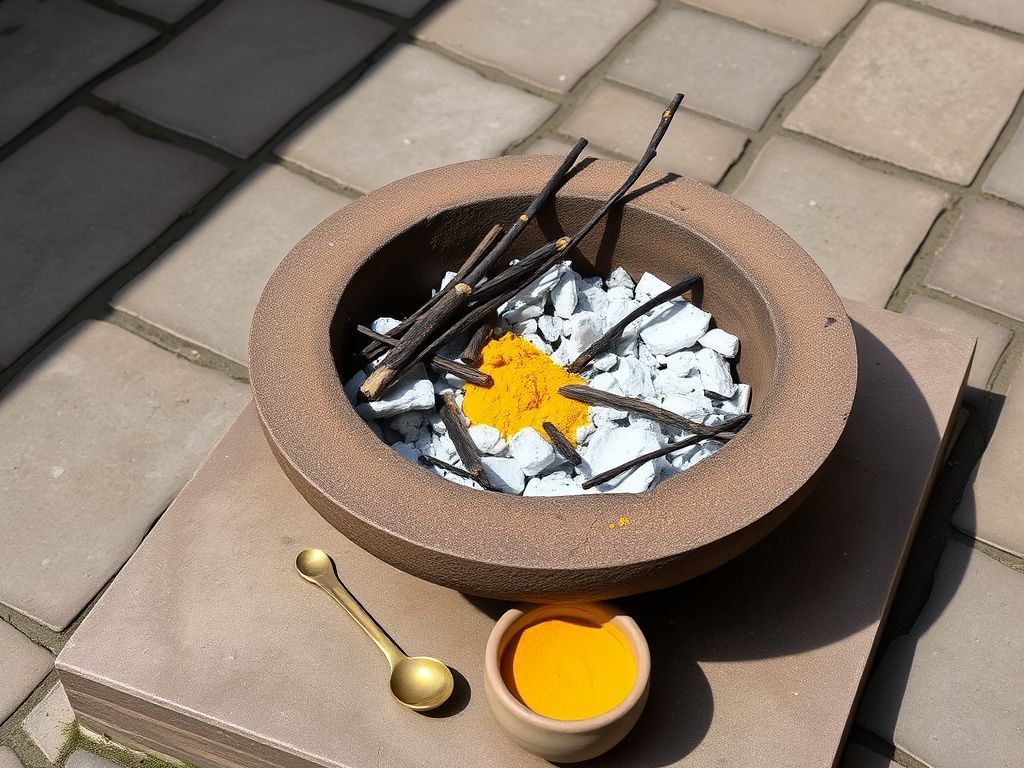
Kerala’s Living Spiritual Heritage: Advaita Vedanta, Temples and Sacred Nature
Kerala is the birthplace of Adi Shankaracharya, the 8th-century philosopher who consolidated the doctrine of Advaita Vedanta (non-dualism). His natal village of Kalady, situated along the Periyar River, remains a serene pilgrimage spot for non-dual inquiry.
Kerala is also home to thousands of ancient temples constructed according to Tantra Samuccaya principles. These structures function as energetic centers designed to elevate subtle energy. Combined with the natural backwaters and the bio-diverse Western Ghats mountain range, Kerala offers a serene climate where nature itself acts as a co-therapist.
The Kerala Tourism authority emphasizes responsible, low-impact travel that preserves these tranquil temple towns and forested sanctuaries, making the region welcoming for global visitors.
How Ayurveda and Spirituality Work Together for Deep Healing
You cannot quiet a agitated mind if your body is filled with inflammation or your nervous system is exhausted. This is where Ayurveda, India’s traditional system of medicine, becomes essential.
In traditional Kerala lineages, Ayurveda and Yoga are twin sciences:
- Ayurveda cleanses the physical container (Annamaya Kosha). Through custom herbal preparations, warm oils, and gentle internal cleansing (panchakarma), body tissues (dhatus) are detoxified.
- Spirituality refines the subtle body (Manomaya & Vijnanamaya Kosha). Once bodily imbalances (doshas: Vata, Pitta, Kapha) are stabilized through a sattvic (pure, non-stimulating) lifestyle, meditation becomes effortless rather than a struggle against physical discomfort.
Guidance from the India Ministry of AYUSH highlights that authentic Ayurvedic care requires personalized clinical assessment under qualified physicians (Vaidyas), ensuring treatments support meditation and self-reflection.
For travelers looking for a structured multi-week journey that blends medical Ayurveda with traditional spiritual guidance, programs like The Awakening Soul retreat show how deliberate pacing, personalized dietary plans, and daily philosophy sessions work in harmony.
What Philosophy Will You Study on a Yoga Philosophy Retreat in Kerala?
Many Western seekers worry that a yoga philosophy retreat will require academic knowledge or fluency in Sanskrit. In reality, traditional teachers (acharyas) present Vedic philosophy as a practical owner’s manual for the human mind.
       Core Concepts in Vedic Philosophy
┌──────────────────────────────────────────────┐
│  Atman (True Self)   vs.   Ego (Ahamkara)    │
│  Pure Consciousness        Identified Mind   │
├──────────────────────────────────────────────┤
│  Prakriti            vs.   Purusha           │
│  Nature / Change           Unchanging Witness│
├──────────────────────────────────────────────┤
│  Kleshas (Causes of Suffering/Afflictions)   │
│  Ignorance, Egoism, Attachment, Aversion     │
└──────────────────────────────────────────────┘
Vedanta, Samkhya and Patanjali’s Yoga Sutras in Simple Terms
During daily philosophy sessions (satsang), teachers demystify complex Sanskrit frameworks:
- Advaita Vedanta (Non-Dualism): Explores the fundamental truth that your true identity (Atman) is not separate from the underlying universal consciousness (Brahman). Suffering arises from the illusion of separation (Maya).
- Samkhya Philosophy: Map out reality into two components: Purusha (pure, unchanging consciousness) and Prakriti (the changing material world, including your thoughts and emotions). You learn to observe your thoughts without getting swept away by them.
- Patanjali’s Kleshas (Five Afflictions): Identifies why humans suffer—ignorance of our true nature (Avidya), egoism (Asmita), attachment to pleasure (Raga), aversion to pain (Dvesha), and fear of loss (Abhinivesha).
Bhagavad Gita Teachings for Modern Life, Karma and Detachment
The Bhagavad Gita remains one of the most practical guides for emotional resilience. Philosophy retreats unpack its key teachings:
- Karma Yoga (Selfless Action): Learning how to act decisively in your career and family life without becoming desperately attached to specific outcomes (Phala).
- Dharma (Righteous Living): Aligning your daily choices with your inherent nature and duty, reducing internal conflict.
- Moksha (Liberation): Experiencing freedom from mental reactivity right now—not in a distant afterlife, but in the middle of daily responsibilities.
Sessions are interactive. They combine discourse with guided self-inquiry (Atma Vichara), reflective journaling, and small-group discussions where beginners can ask practical questions about applying ancient wisdom to modern relationships, grief, or professional stress.
What Rituals and Daily Practices Define a Kerala Ashram Experience?
A Kerala ashram experience relies on a deliberate daily routine (Dinacharya). The schedule is structured to align your internal circadian rhythm with natural light cycles.

Infographic by SiteLift
A Typical Day: Puja, Mantra, Meditation, Seva and Mauna
While schedules vary between authentic centers, a typical daily schedule follows this pattern:
| Time | Activity | Purpose & Meaning |
|---|---|---|
| 04:30 AM | Wake Up & Herbal Tea | Brahma Muhurta—the time of day when the mind is naturally calm |
| 05:00 AM | Silent Meditation & Pranayama | Cultivating deep mental focus before daily distractions arise |
| 06:30 AM | Gentle Sattvic Asana Practice | Preparing joints and spine to sit comfortably for extended reflection |
| 08:30 AM | Sattvic Breakfast | Fresh, light vegetarian food to nourish without causing sluggishness |
| 10:00 AM | Satsang & Philosophy Lecture | Scriptural study, guided self-inquiry, and Q&A with teachers |
| 12:30 PM | Mindful Lunch & Mauna | Eating in complete silence to deepen sensory awareness |
| 02:00 PM | Personal Time / Ayurvedic Therapies | Herbal massages, oil treatments, or quiet reading |
| 04:30 PM | Pranayama & Yoga Nidra | Deep physical and subconscious nervous system relaxation |
| 06:00 PM | Evening Puja, Chanting & Kirtan | Devotional ceremonies that release emotional tension |
| 07:30 PM | Light Dinner | Easy-to-digest food ensuring restful sleep |
| 08:30 PM | Self-Study (Svadhyaya) & Rest | Preparing for early sleep; digital detox encouraged |
Sacred Fire Ceremonies, Temple Rituals and Ayurvedic Spiritual Therapies
Rituals are not dogma; they are psychological tools. In a traditional setting, you may encounter:
- Agnihotra / Fire Homa: A sacred fire ceremony where herbs and clarified butter (ghee) are offered into fire while chanting Vedic hymns. The combination of rhythmic sound, focused intent, and aromatic smoke produces a calming effect on the nervous system.
- Mantra Japa: Repeating specific sound frequencies (such as Om Namah Shivaya or the Gayatri Mantra) using a string of 108 rudraksha beads. Sound repetition helps steady an overactive internal monologue.
- Receiving Vibhuti (Sacred Ash): Applied to the brow point between the eyebrows (Ajna Chakra) as a physical reminder of the temporary nature of the physical body.
- Shirodhara: An Ayurvedic therapy where warm herbal oil is continuously poured across the forehead. This calms the central nervous system, preparing the mind for extended meditation.
       Psychological Benefits of Sacred Rituals
┌─────────────────────────────────────────────────────────┐
│ Rhythmic Chanting ───> Stimulates Vagus Nerve (Calm)    │
│ Fire Observance   ───> Anchors Present Awareness        │
│ Silent Dining     ───> Reduces Sensory Overload         │
└─────────────────────────────────────────────────────────┘
Pro Tip: When visiting temple grounds or participating in sacred rituals in Kerala, dress modestly in natural fabrics. Shoulders and knees should remain covered, and white or light-colored cotton clothing is traditionally worn during morning practices to reflect clarity and simplicity.
How to Choose the Right Inner Growth Retreat in India for You
Selecting an inner growth retreat India offers can feel daunting due to the sheer number of options available online. Finding an experience that matches your goals requires evaluating formats, credentials, and expectations.
Choosing Your Spiritual Retreat
├── 1. Determine Your Objective
│   ├── Stress Relief / Nature Reset ──> Short 7-Day Retreat
│   ├── Emotional Healing / Detox ────> 14 to 21-Day Immersion
│   └── Deep Scriptural Sadhana ───────> 28+ Day Intensive Stay
├── 2. Evaluate Center Type
│   ├── Traditional Ashram ────────────> Dormitory style, strict discipline, low cost
│   └── AyurYoga Boutique Resort ──────> Private rooms, doctor-led care, high comfort
└── 3. Check Credentials
    ├── Qualified Vaidyas (Ayurvedic Doctors)
    ├── Experienced Acharyas (Philosophy Teachers)
    └── Transparent Lineage & Reviews
Types, Durations and Teacher Credentials to Compare
- Duration:
- 7 Days: Ideal for a mental reset, digital detox, and introduction to meditation. If you are pressed for time, a tailored 7-Day Immersive Nature Retreat helps step away from screens and reconnect with simple daily routines.
- 14–21 Days: The ideal timeframe for true physical detoxification (panchakarma) alongside emotional release and philosophical study.
- 28+ Days: Recommended for deep self-inquiry (sadhana) or teacher-level philosophy studies.
- Ashram vs. AyurYoga Resort:
- Traditional Ashrams: Feature dormitory living, shared bathrooms, strict chore duties (seva), and rigid wake-up calls. Excellent for budget travelers and disciplined seekers.
- Boutique AyurYoga Retreats: Offer private accommodations, personal consultations with Ayurvedic doctors, high hygiene standards, and organic cuisine while retaining authentic spiritual teachings.
- Teacher Credentials: Verify that teachers (acharyas) possess formal lineage training from established institutes (such as Sivananda, Bihar School of Yoga, or recognized Gurukuls) rather than short online certifications.
Practical Planning: Cost, Visa, Season, Packing and Retreat Etiquette
According to the Global Wellness Institute, wellness tourism has expanded into a global market worth over $651 billion. As demand rises, research by the U.S. National Center for Complementary and Integrative Health (NCCIH) shows that adult meditation practices have expanded significantly, driving demand for genuine mind-body experiences over superficial vacations.
To plan your trip smoothly:
- Best Season: October through March brings sunny, comfortable weather. However, June through August (the monsoon season, known as Karkidaka) is traditionally considered the optimal time for Ayurvedic treatments and reflective spiritual practice, as the cool humidity opens body pores and quietens the mind.
- Visas: Most international visitors can apply online for an Indian e-Tourist Visa (30-day, 1-year, or 5-year options).
- Arrival Airports: Fly into Kochi International Airport (COK) for central retreats and hill stations like Wayanad, or Trivandrum International Airport (TRV) for southern coast retreats.
- Budgeting: Expect costs ranging from $40–$80/day for modest traditional ashrams to $150–$350+/day for private, doctor-led wellness resorts including lodging, treatments, meals, and instruction.
- Packing List: Light white/cream cotton clothing, slip-on shoes (shoes are removed before entering temples and yoga halls), a natural insect repellent, a water bottle, and a personal journal.
For guests looking for an individualized experience with personal dietary planning and customized schedules, exploring options for a bespoke retreat experience allows you to balance quiet contemplation with personal comfort.
Why Asana-Only Yoga Misses the Mark: An Editorial Perspective
We live in a culture obsessed with visible outcomes. We measure our yoga practice by flexed hamstrings, balanced arm balances, and flawless activewear photos. But after spending decades alongside traditional teachers in South India, one truth becomes clear: using yoga merely for physical exercise is like buying a high-performance vehicle just to play music on the radio.
Physical postures are useful, but their original purpose was simply to release physical tension so a seeker could sit still for an hour without back pain. When your entire wellness routine revolves around physical performance, the ego stays in control. You judge your days by how flexible your hamstrings feel rather than how patient you are with your family or how calm your mind remains during difficult moments.
True spiritual healing in Kerala does not require standing on your head. It happens when you sit in silence, listen to timeless philosophical discourse, and realize that your worth is not tied to your productivity, income, or appearance. The real practice starts when you step off the mat into daily life.
Begin Your Journey to Inner Stillness
If you feel called to look beyond physical movement, Kerala’s tranquil backwaters, mist-covered hills, and ancient spiritual lineages offer an authentic setting for reflection. Choosing a retreat that honors both body and mind allows you to replace stress and fatigue with clarity, resilience, and genuine peace.
At ayuryogaretreats.com, we bridge ancient Vedic traditions with comfortable, doctor-supported retreat settings. Nestled in tranquil environments like Wayanad’s misty forests—such as the serene Indeevara AyurYoga Retreat—our offerings pair authentic Ayurvedic medicine with classic yoga philosophy, guided meditation, and quiet reflection.
Whether you are recovering from burn-out, navigating a major life transition, or simply seeking a deeper understanding of classical yoga, taking time for self-inquiry remains one of the most meaningful investments you can make.
— ayuryogaretreats.com
Frequently Asked Questions
What is a spiritual retreat in Kerala like for a beginner?
A spiritual retreat in Kerala for a beginner is gentle, structured, and welcoming. You do not need prior experience with meditation or philosophy. Days feature early morning light breathing and seated practice, easy-to-understand discussions on managing mental stress, healthy Ayurvedic meals, and evening music or silent periods. Teachers guide every step, ensuring you never feel lost or overwhelmed.
Do I need to be Hindu or experienced in yoga to join a yoga philosophy retreat?
No. Classical yoga philosophy (Vedanta and Samkhya) is a universal, non-dogmatic system for understanding human psychology and consciousness. Seekers from diverse religious backgrounds, as well as agnostics and secular travelers, participate comfortably. Teachings focus on self-awareness, mental clarity, and stress management rather than religious conversion.
How long should I stay for a real inner growth retreat in India?
While a 7-day retreat provides a helpful reset from digital noise, a 14 to 21-day stay is ideal for genuine inner transformation. This duration gives your nervous system time to settle, lets Ayurvedic therapies detoxify body tissues, and allows space to absorb and practice complex philosophical concepts.
What is the difference between a Kerala ashram experience and a luxury wellness resort?
A traditional Kerala ashram experience emphasizes simplicity, communal living, strict schedules, shared chores (seva), and basic dorm accommodations focused entirely on spiritual discipline. A boutique retreat resort balances authentic spiritual instruction, satsangs, and traditional Ayurvedic medicine with private rooms, high hygiene standards, modern amenities, and personalized doctor consultations.
When is the best time to visit Kerala for spiritual healing?
The peak dry season runs from October through March, offering warm, sunny weather ideal for light travel. However, the monsoon season (June through August) is traditionally considered the ideal time for Ayurvedic therapies and deep spiritual reflection. The cool, humid climate calms the nervous system, opens body tissues to herbal oils, and creates a peaceful setting for introspection.