
Booking an authentic Ayurvedic cleanse is one of the most transformative commitments you can make for your physical and mental health. However, treating Panchakarma like an impromptu resort vacation will leave you exhausted, headachy, and missing out on its deepest healing gifts.
This step-by-step panchakarma preparation guide gives you a clear runway to soften your tissues, balance your digestive fire, and protect your nervous system before your first clinical therapy begins.
According to a report from the World Health Organization (WHO), traditional systems of medicine such as Ayurveda are utilized by over 80% of the population in several regions worldwide for primary healthcare. Panchakarma sits at the apex of this medical science—not as a casual massage package, but as an intensive physiological reboot.
Whether you are traveling across the globe to an Ayurveda retreat in Kerala or embarking on a local clinical program, what you do in the two weeks prior to checking in dictates your entire outcome.
Why Purvakarma Is Essential: The Science of Mobilizing Ama
In classical Ayurvedic medicine, a therapeutic cleanse consists of three distinct stages:
- Purvakarma: The preparatory stage (internal/external lubrication and metabolic kindle).
- Pradhana Karma: The five primary cleansing actions (such as Virechana purgation and Basti herbal enemas).
- Paschatkarma: The post-cleanse rejuvenation and dietary reintegration.
Panchakarma cannot succeed without Purvakarma. In your everyday life, stress, poor food combinations, and environmental pollutants create Ama—sticky, un-metabolized metabolic toxins that clog physical channels (Srotas).
If a doctor administers deep cleansing procedures while your tissues are cold, dry, and rigid, the toxins stay lodged, leading to fatigue, intense migraines, and digestive spasms.
+-----------------------------------------------------------------+
|                        PURVAKARMA FLOW                          |
|                                                                 |
|   1. Deepana & Pachana   -->  Kindles Agni & digests toxins     |
|   2. Snehana             -->  Oils tissues & dislodges Ama      |
|   3. Swedana             -->  Sweats toxins toward GI tract     |
|   4. Pradhana Karma      -->  Painless, complete elimination    |
+-----------------------------------------------------------------+
Clinical research corroborates this ancient wisdom. A study published in the Journal of Alternative and Complementary Medicine observed that a six-day Ayurvedic detoxification regimen including Panchakarma preparation produced statistically significant reductions in specific plasma metabolites associated with cardiovascular disease and inflammation.
Furthermore, data indexed by the National Center for Biotechnology Information (NCBI) indicates that comprehensive Panchakarma therapies contribute to measurable reductions in lipid peroxidation levels and oxidative stress markers when preceded by standard preparatory protocols.
Prerequisites: What to Check Before Starting This Panchakarma Preparation Guide
Before altering your diet or boarding a flight, make sure you have the basics in place:
- Time Commitment: A minimum 14-day pre-cleanse runway at home, followed by at least 14 to 21 days on-site for clinical therapies.
- Clinical Assessment: A baseline remote consultation with an Ayurvedic physician (Vaidya) to determine your unique combination of Prakriti (inherent constitution) and Vikriti (current imbalance).
- Kitchen Staples: Whole mung beans or split yellow mung dal, white basmati rice, organic ghee, and whole spices (cumin seeds, coriander seeds, fennel seeds, dry ginger).
- Medical Clearance: Check guidelines from the Ministry of AYUSH and consult your primary physician if you have chronic medical conditions.
Absolute Contraindications
Panchakarma is an intensive physical therapy. It is strictly contraindicated for:
- Active pregnancy or breastfeeding
- Acute infectious fevers
- Recent major surgery (within 8 to 12 weeks)
- Extreme physical emaciation or acute psychological crisis
Step 1: Gradually Taper Stimulants and Processed Foods (14 to 10 Days Before)
The most common reason people struggle during the first 72 hours of a retreat is acute withdrawal. Arriving at a clinic with a two-cup-a-day espresso habit or a nightly wine ritual causes debilitating headaches, intense irritability, and nausea.
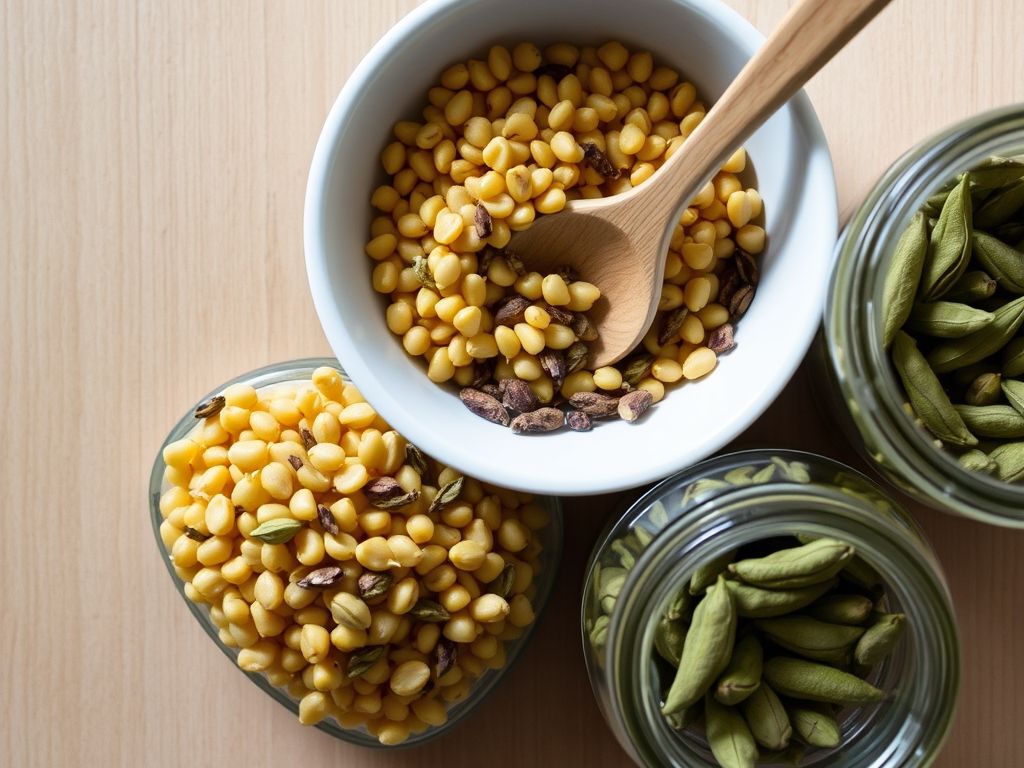
Step-Down Protocol
-
Days 14–12: Cut your morning coffee or black tea intake by 50%. If you drink two cups, reduce to one. Eliminate all alcoholic beverages and artificial sweeteners.
-
Days 11–10: Shift from coffee to roasted dandelion root tea, green tea, or warm spiced water. Eliminate sodas, energy drinks, and processed sugars entirely.
-
Dietary Shifts: Cut back on red meat, deep-fried snacks, aged hard cheeses, and cold raw salads.
-
Expected Result: A slight drop in baseline energy for 48 hours, followed by more stable energy and fewer afternoon crashes.
-
Mistake to Avoid: Going “cold turkey” the day before your flight. Tapering over several days prevents withdrawal headaches from disrupting your initial consultation.
Step 2: Kindle Your Agni with Deepana and Pachana (9 to 5 Days Before)
In Ayurvedic pathology, cleansing cold, stagnant digestion is like trying to wash greasy dishes in freezing water. During this phase, focus on Deepana (kindling the digestive fire, Agni) and Pachana (burning off residual Ama).
Daily Routine Adjustments
- Sip Warm Spiced Water: Stop drinking ice-cold liquids. Instead, brew a batch of classical CCF tea (Cumin, Coriander, and Fennel) and drink it warm between meals.
- Anchor Your Meal Schedule:
- Breakfast (7:30–8:30 AM): Light and warm (e.g., stewed apples with clove or warm spiced oatmeal).
- Lunch (12:00–1:00 PM): Your largest, most complex meal of the day, eaten when the sun and your internal digestive fire are at their peak.
- Dinner (6:00–7:00 PM): Simple vegetable soup or light broth. Stop eating at least three hours before bed.
- No Grazing: Avoid snacks between meals. Give your gut a 4-hour window between meals to fully finish digestion.
Pro Tip: If your tongue has a thick white coating in the morning—a classic sign of accumulated Ama—simmer three thin slices of fresh ginger root in water for 10 minutes and sip it 20 minutes before lunch to awaken digestive enzymes.
- Expected Result: A lighter feeling in your stomach, reduced post-meal bloating, and clear morning hunger.
- Mistake to Avoid: Adding raw chillies or excessive cayenne pepper to “speed up” digestion. Fiery heat inflames Pitta dosha; gentle carminative spices balance all constitutions.
Step 3: Transition to a Dedicated Pre-Cleanse Diet (4 to 2 Days Before)
By Day 4, transition your kitchen to simple, warm, easily digestible meals. This phase gives your digestive organs a break so your system can focus its energy on cellular repair.

Infographic by SiteLift
The Pre-Cleanse Food Blueprint
| Food Category | Foods to Prioritize | Foods to Avoid Completely |
|---|---|---|
| Grains | Well-cooked Basmati rice, quinoa, rolled oats | Yeasted bread, pasta, cold breakfast cereals |
| Proteins | Split yellow mung dal, red lentils (well-cooked) | Beef, pork, poultry, seafood, tofu, protein powders |
| Vegetables | Zucchini, carrots, pumpkin, spinach, bottle gourd | Raw salads, kale, onions, garlic, nightshades |
| Fats | Small amounts of warmed grass-fed ghee, sesame oil | Deep-fried foods, butter, margarine, canola oil |
| Dairy | Warm spiced milk (optional, plant-based or organic A2) | Hard cheese, cold yogurt, ice cream, sour cream |
Making Simple Kitchari
Kitchari is a classic Ayurvedic dish made of split yellow mung dal and basmati rice. Cooked together with cumin, ginger, turmeric, and ghee into a porridge-like consistency, it provides balanced nourishment while asking very little of your digestive tract.
Eat kitchari for both lunch and dinner during these final 48 to 72 hours before your travel or clinic check-in.
- Expected Result: Clear, light bowel movements, absence of flatulence, and reduced mental chatter.
- Mistake to Avoid: Sneaking a “farewell feast” of pizza, wine, or steak the night before traveling. A heavy final meal undermines your preparation and can delay your clinical treatments by days.
Step 4: Prepare the Nervous System with Sensory Downregulation (48 Hours Before)
Ayurveda views the nervous system through the lens of Vata dosha—the energy of air, movement, and lightness. Panchakarma cannot release stored physical and emotional tension if your nervous system remains stuck in a sympathetic “fight-or-flight” loop.
Restorative Practices
- Tone Down Your Workouts: Swap high-intensity interval training (HIIT), heavy weightlifting, and long endurance runs for gentle stretching, Yin yoga, or 30-minute nature walks.
- Evening Abhyanga (Self-Massage): Warm two tablespoons of unrefined organic sesame oil. Smooth it over your limbs, joints, and torso using long strokes on bones and circular strokes on joints. Let it soak for 15 minutes before taking a warm shower. This grounds erratic Vata and softens exterior tissues.
- Sensory Taper: Avoid late-night screen time, loud concerts, and stressful conversations. Spend your evenings reading, journaling, or practicing gentle breathwork (Nadi Shodhana).
Pro Tip: Rub a single drop of warm sesame oil or ghee onto the soles of your feet and your temples just before bed to settle an active mind and encourage deep sleep.
- Expected Result: Slower heart rate, calmer thoughts, and deeper, more restful sleep.
- Mistake to Avoid: Packing your bags at 2:00 AM while fielding last-minute work emails. Treat these 48 hours as the true beginning of your retreat.
Step 5: Travel and In-Clinic Arrival Protocol (Day 0)
Traveling long distances disrupts digestion and aggravates Vata dosha. Dry cabin air, time zone shifts, and prolonged sitting dry out the gut and stiffen joints.
Long-Haul Travel Strategy
- Fast or Eat Lightly on the Plane: Avoid heavy, salty, reheated airline meals. If possible, bring your own thermos of warm kitchari or thermos-cooked oats, or simply sip warm water throughout the flight.
- Hydrate Constantly: Pass on complimentary wine, sodas, and coffee. Sip warm or hot water with a slice of lemon every hour you are awake.
- Protect Your Senses: Wear earplugs or noise-cancelling headphones, apply an eye mask, and keep a light organic scarf wrapped loosely around your neck to block cold drafts.
What to Expect on Day 1 at an Ayurvedic Retreat
Once you arrive at an authentic center like the Panchakarma retreats at AyurYoga in Kerala, your journey transitions from self-directed preparation to physician-guided treatment:
- Initial Pulse Diagnosis (Nadi Pariksha): Your Ayurvedic doctor will read your radial pulse to assess deep doshic imbalances, tissue vitality, and internal organ load.
- Systemic Health Evaluation: A comprehensive consultation covering your sleep cycles, elimination patterns, emotional triggers, and medical history.
- Initiation of Snehapana (Internal Oleation): Depending on your body’s readiness, your doctor will prescribe increasing daily doses of warm, medicated herbal ghee (Ghrita) taken on an empty stomach each morning. This lubricates the micro-channels and draws out lipid-soluble toxins.
Why the “Panchakarma Vacation” Approach Fails
I often see travelers treat Panchakarma like an everyday spa getaway. They book an intensive 14-day program, spend their free afternoons sightseeing on scooters, order iced drinks at beachside cafes, and then wonder why they feel depleted or irritable.
Real Ayurvedic cleansing demands mental and physical stillness. It asks you to let go of external stimulation, step away from work demands, and allow your body’s restorative intelligence to take over.
Those who embrace quiet days, simple food, and internal rest leave with glowing skin, renewed energy, and mental clarity that lasts for months. Those who fight the stillness end up battling their own bodies.
Troubleshooting Common Pre-Cleanse Pitfalls
- Persistent Dull Headaches: Usually caused by caffeine withdrawal. Drink warm water infused with fresh mint leaves and coriander seeds. Rest in a dark room with a cool cloth across your forehead. Do not jump straight to synthetic pain relievers unless medically necessary, as they burden liver filtration.
- Sudden Sugar Cravings: Eat a few soaked black raisins or a soft Medjool date stuffed with a sliver of ghee. This provides quick, natural sweetness without spiking your blood sugar.
- Travel Constipation: If plane travel stalls your digestion, ask your retreat doctor for Triphala powder upon arrival. Simmer half a teaspoon in warm water before bedtime to support regular elimination.
- Unexpected Emotional Waves: Releasing Ama can unlock buried emotional patterns, causing sudden bouts of sadness or irritability. Welcome these feelings as part of the clearing process. Journal, step outside for fresh air, and get to bed early.
Your Cleanse Begins at Home
By finishing this panchakarma preparation guide, you have transformed your cleanse from a passive medical procedure into an intentional, deeply effective healing journey. Your tissues are hydrated, your digestion is primed, and your nervous system is ready to receive deep care.
If you are planning an authentic healing journey, exploring a specialized center like AyurYoga Retreats in Kerala provides the rare combination of experienced Vaidyas, traditional herbal preparations, and peaceful coastal sanctuaries designed for deep, lasting recovery.
— ayuryogaretreats.com
Frequently Asked Questions About Panchakarma Preparation
How far in advance should I start preparing for a Panchakarma detox?
Aim to start your preparation at least 14 days before your first scheduled clinical treatment. This gives you enough time to gradually taper off caffeine, clear processed foods from your system, and kindle your digestive fire (Agni) without shocking your body or triggering severe withdrawal symptoms.
Can I drink coffee or herbal tea during the pre-cleanse phase?
Avoid all coffee, black tea, and energy drinks. Instead, drink herbal infusions like cumin-coriander-fennel (CCF) tea, fresh ginger tea, or chamomile. If you are a heavy coffee drinker, take 4 to 5 days to slowly step down your intake rather than quitting overnight, which helps prevent intense rebound headaches.
Is a strict kitchari mono-diet mandatory before arriving at an Ayurvedic retreat?
While not strictly mandatory, eating a simple kitchari mono-diet for the final two to three days before your retreat makes your clinical treatments far more effective. It allows your digestive enzymes to settle and ensures that your internal channels are open and ready for the intensive cleansing therapies to follow.
What should I pack for my first Panchakarma retreat in Kerala?
Pack loose, breathable, lightweight cotton clothing that you do not mind getting stained by therapeutic herbal oils and medicated pastes. Include a light shawl for cool mornings, slip-on shoes for walking between treatment rooms, a non-plastic water bottle, and a journal. Leave behind tight activewear, heavy cosmetics, and work-related reading.