

When you step into a traditional Keralan healing sanctuary, the air smells of crushed vetiver, warming brass pots of sesame oil, and freshly steeped herbs. For thousands of years, health seekers have traveled to southern India not merely to escape routine, but to undergo deep physical and mental renewal. If you are seeking authentic ayurveda in kerala, you are tapping into an unbroken lineage where ancient medical science is not a historical relic, but a vibrant, daily clinical practice.
While wellness resorts across the globe offer superficial massages and aromatherapy, Kerala remains the world’s undisputed center for genuine therapeutic healing. Here, body work is guided by certified Ayurvedic doctors, remedies are brewed from fresh bio-diverse flora, and treatments are synchronized with natural seasonal rhythms.
| Core Aspect | Standard Global Spa Experience | Authentic Keralan Ayurvedic Treatment |
|---|---|---|
| Diagnostic Method | Self-selected treatment menu | In-depth Nadi Pariksha (pulse diagnosis) & Prakriti evaluation |
| Practitioners | Hospitality masseuses | Qualified BAMS/MD Ayurvedic physicians & certified therapists |
| Formulations | Pre-packaged, scented commercial oils | Freshly prepared custom Kashayams, Tailams, and herbal pastes |
| Primary Goal | Short-term relaxation & stress relief | Deep cellular detoxification (Panchakarma) & root-cause correction |
| Minimum Duration | 60 to 90 minutes | 14 to 28 days for complete physiological reset |
What Makes Authentic Ayurveda in Kerala Uniquely Powerful?
Understanding authentic ayurveda in kerala requires looking past modern wellness marketing and exploring the geographic, historical, and cultural forces that preserved this system while it vanished elsewhere.
The Living Heritage of the Ashtavaidya Families
The historical backbone of Kerala’s medical tradition rests upon the Ashtavaidyas—eight legendary Brahmin families entrusted with mastering the eight branches (Ashtangas) of classic Ayurvedic medicine.
Unlike other parts of India where historical invasions and colonial rule fractured traditional knowledge systems, these families preserved the sacred Sanskrit texts. They translated complex medical principles into practical, localized treatments tailored specifically to southern India’s unique climate and biology. Their living descendants continue to consult, teach, and formulate remedies today, ensuring that history of ayurveda in kerala remains unbroken across generations.
The Western Ghats: Nature’s Living Bio-Reserve of Medicinal Flora
Geography plays an indispensable role in Keralan medicine. Nestled between the Arabian Sea and the soaring Western Ghats mountain range, Kerala benefits from an exceptional tropical microclimate, monsoon rainfall, and rich volcanic soil.
This environment nurtures over 900 species of medicinal plants. According to the World Health Organization, traditional and complementary medicine is utilized by roughly 88% of member states globally, with Ayurveda serving as one of the oldest formalized systems. In Kerala, physicians gather fresh herbs directly from local ecosystems, resulting in botanical extracts with significantly higher active phytochemical concentrations than dried, imported substitutes used abroad.
Preservation of Unbroken Classical Sanskrit Traditions
When foreign influences altered traditional practices across northern India, Kerala’s geographical isolation created a protective sanctuary for traditional ayurvedic healing keralan roots.
Scholars in Kerala rigorously maintained texts like the Ashtanga Hridaya and Ashtanga Samgraha. Local physicians did not just memorize these scriptures—they expanded them. They authored regional commentaries, refined diagnostic techniques, and invented specialized therapeutic protocols that make Keralan wellness traditions distinctive worldwide.
Why Kerala is the Best Destination for Authentic Ayurveda
If you want to experience healing that touches every layer of your physical and mental balance, understanding why kerala is best for ayurveda comes down to timing, specialized regional techniques, and stringent state oversight.
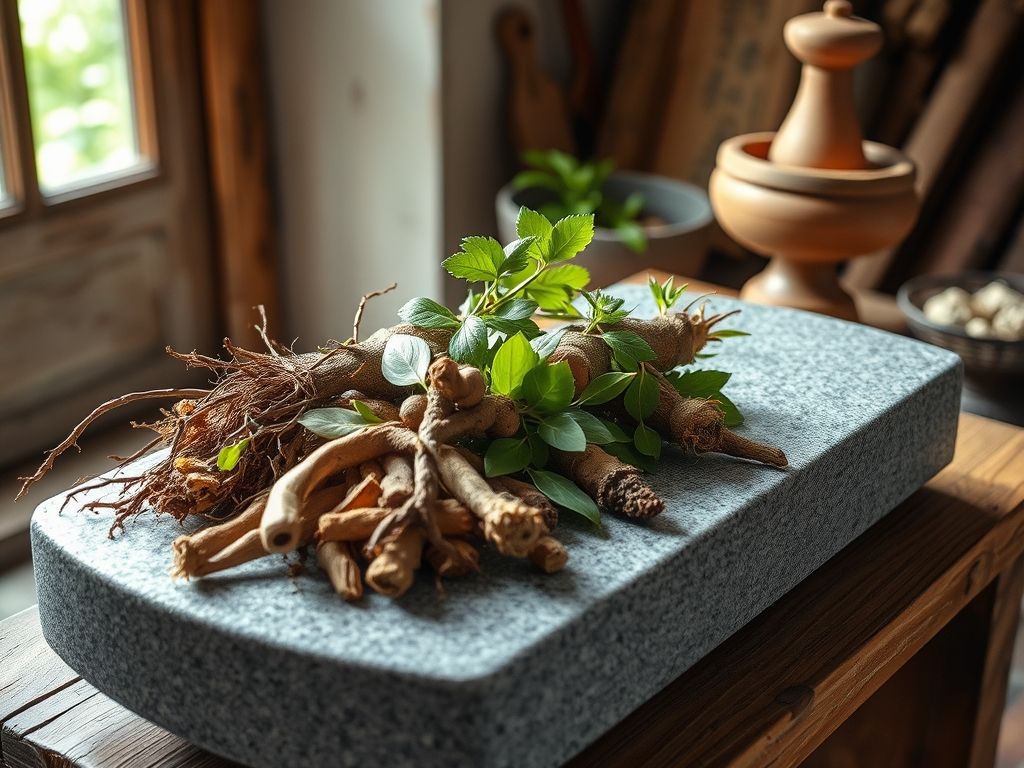
The Science of Karkidakam: Monsoon Rejuvenation Chikitsa
While most international tourists seek sunny beach weather, traditional Ayurvedic physicians know that the wet monsoon months of July and August (Karkidakam) offer the ideal conditions for deep physiological healing.
During the monsoon, the moist, humid atmosphere opens human skin pores (sweda) and softens bodily tissues. The ambient heat calms down, allowing external medicated oils and internal herbal decoctions to penetrate deeply into tissue layers (Dhatus). This environmental shift balances the three Doshas (Vata, Pitta, and Kapha), rendering heavy detoxifying treatments far more bio-available, comfortable, and curative.
Exclusive Keralite Therapies: From Pizhichil to Njavarakizhi
Keralan Vaidyas (physicians) developed several signature therapies that do not exist in classical northern texts, created specifically to treat neuromuscular disorders, joint degeneration, and systemic exhaustion:
- Pizhichil (Medicated Oil Bath): Warm, herb-infused oil is continuously poured over the body while two therapists perform synchronized, rhythmic strokes.
- Njavarakizhi: A restorative therapy where pouches (kizhi) filled with cooked Njavara medicinal rice, milk, and herbal decoctions are massaged over the body to rebuild muscle tissue and fortify nerves.
- Shirodhara: A continuous stream of warm medicated oil, buttermilk, or herbal water is poured onto the forehead (Ajna chakra) to soothe the central nervous system, cure insomnia, and alleviate chronic anxiety.
Government-Enforced Quality: Green Leaf and Olive Leaf Accreditations
To protect health seekers from predatory or unqualified businesses, the state government worked alongside the Ministry of Ayush to establish strict regulatory frameworks.
Facilities are thoroughly inspected and graded with either Green Leaf or Olive Leaf certifications. According to Kerala Tourism, over 30% of inbound international travelers visiting the state engage in some form of Ayurvedic wellness or rejuvenation program. These state accreditations guarantee that a facility maintains full-time resident BAMS doctors, hygienic treatment rooms, certified therapists, and authentic medicine preparation areas.
Core Pillars of Authentic Kerala Wellness Traditions
Authentic healing is never a quick fix or a superficial pampering session. It is a structured, scientific process designed to remove toxic accumulation (Ama) and restore metabolic fire (Agni).

Infographic by SiteLift
Classical Panchakarma: True Detoxification vs. Surface Cleansing
At the core of authentic kerala wellness traditions lies Panchakarma—a multi-stage clinical procedure designed to eliminate deep-seated metabolic waste. If you are exploring a dedicated Panchakarma Retreat in Kerala, your healing protocol will unfold across three distinct phases:
- Purva Karma (Preparatory Phase): Internal oleation (Snehapana) through consuming warm medicated ghee, followed by external oil application and steam (Swedana) to loosen toxins from deep tissues and mobilize them toward the digestive tract.
- Pradhana Karma (Primary Elimination): Executing one or more of the five classical purification actions—Vamana (therapeutic emesis), Virechana (purgation), Basti (medicated enema), Nasya (nasal administration), and Raktamokshana (blood purification)—chosen precisely for your unique constitution.
- Paschat Karma (Post-Detox Rehabilitation): A strict dietary progression (Samsarjana Krama) that gradually rekindles digestive fire and re-establishes healthy tissue balance.
Internal Formulations: Kashayams, Arishtams, and Tailams
External body treatments represent only half of the healing equation. True internal balance depends on classical phytopharmaceutical formulations:
- Kashayams: Concentrated water-based herbal decoctions brewed slowly over hardwood fires.
- Arishtams & Asavams: Naturally fermented herbal wines that carry medicinal compounds quickly into tissue pathways.
- Tailams & Ghritams: Medicated sesame oils and ghee formulations designed to cross tissue barriers and nourish nervous systems.
Holistic Synergy: Dinacharya, Sattvic Ahara, and Mindful Yoga
A clinical stay at an Ayurveda Retreat in Kerala integrates physical treatments with daily routines (Dinacharya). Guests wake at sunrise (Brahma Muhurta), practice gentle therapeutic yoga, and eat freshly prepared Sattvic meals aligned with their prescribed medical diet.
Pro Tip: Avoid drinking cold water or consuming raw foods during your Ayurvedic cure. Warm water and thoroughly cooked, spiced vegetables protect your digestive fire (Agni), allowing internal herbal remedies to work at maximum potency.
How to Distinguish Authentic Ayurveda in Kerala from Commercial Tourist Spas
As global demand for natural healing rises, commercial hotels often market basic relaxation massages as “Ayurvedic treatments.” Discerning medical travelers must know how to identify genuine clinical care.
According to the Ministry of Ayush, the Indian AYUSH sector grew to an estimated market size exceeding $18 billion in recent years, driven largely by global wellness tourism demand. However, higher demand means travelers must remain vigilant when booking retreat programs.
       [ Patient Arrival & Registration ]
                       │
                       ▼
       [ In-Depth Nadi Pariksha Consultation ]
        (Determines Prakriti & Current Vikriti)
                       │
                       ▼
       [ Phase 1: Purva Karma (3-7 Days) ]
        (Medicated Ghee, Abhyanga & Swedana)
                       │
                       ▼
       [ Phase 2: Pradhana Karma (3-5 Days) ]
        (Targeted Panchakarma Detoxification)
                       │
                       ▼
       [ Phase 3: Paschat Karma (4-7 Days) ]
        (Dietary Integration & Tissue Rebuilding)
In-Depth Nadi Pariksha vs. Generic Spa Menus
When you arrive at a legitimate Ayurvedic retreat, you will not be handed a laminated service menu. Instead, your program begins with an extensive initial consultation featuring Nadi Pariksha (pulse diagnosis), skin and eye checks, and detailed questioning regarding your sleep, digestion, emotional state, and medical history.
Role of Qualified BAMS and MD Doctors vs. Commercial Masseur Staff
Authentic centers employ physicians who hold a Bachelor of Ayurvedic Medicine and Surgery (BAMS)—a rigorous 5.5-year university degree combining classical Sanskrit medicine with modern anatomy, physiology, and pharmacology. Many senior doctors also hold postgraduate MD degrees.
Your treatments are administered by technicians who have completed state-certified clinical training, ensuring every stroke, pressure point (Marma), and oil temperature aligns with your prescription.
The Essential Timeline: Why Real Cellular Rejuvenation Takes 14 to 28 Days
True tissue renewal cannot happen during a weekend getaway. It takes seven days for active herbal ingredients to work through the body’s seven tissue layers (Sapta Dhatus): from plasma (Rasa) down to bone marrow (Majja) and reproductive fluid (Shukra).
- 7 Days: Basic stress relief, digestive reset, and muscle tension release.
- 14 Days: Noticeable metabolic adjustment, soft tissue detoxification, and joint relief.
- 21 to 28 Days: Deep cellular clearance (Panchakarma), immune resetting, and long-term disease management.
What to Expect During Your Healing Retreat in Kerala
If you are planning your first restorative journey to southern India, setting realistic expectations helps you settle smoothly into the rhythm of a traditional healing environment.
The Initial Prakriti (Body Constitution) Assessment
Your medical journey opens with an in-depth clinical review aimed at identifying your baseline metabolic blueprint (Prakriti) and your present imbalance (Vikriti).
The physician evaluates how the three physical humors—Vata (air/ether), Pitta (fire/water), and Kapha (earth/water)—behave inside your body. Every aspect of your daily stay, from your morning herbal tea to your afternoon bath temperature, is adjusted based on this diagnosis.
The Daily Rhythm of an Immersive Healing Sanctuary
Life inside an authentic sanctuary moves at an unhurried, natural pace designed to down-regulate nervous system strain:
- 06:00 AM – 07:30 AM: Morning meditation, breathwork (Pranayama), and gentle posture practice.
- 08:00 AM – 09:00 AM: Custom Sattvic breakfast prepared according to doctor recommendations.
- 09:30 AM – 12:30 PM: Primary Ayurvedic treatment session (e.g., Abhyanga, Pizhichil, or Shirodhara).
- 01:00 PM – 02:00 PM: Warm, easily digestible lunch brewed with seasonal herbs.
- 02:30 PM – 04:00 PM: Daily doctor follow-up, rest, and internal medicine intake.
- 05:00 PM – 06:00 PM: Sunset yoga or restorative walking in quiet garden spaces.
- 07:00 PM – 08:00 PM: Light evening meal followed by quiet contemplation and early sleep.
Pathya (Dietary Discipline) and Post-Treatment Integration (Paschat Karma)
Healing does not end when you leave the treatment room. Pathya (therapeutic diet) is considered just as crucial as medicine. You will be asked to avoid caffeine, alcohol, refined sugars, cold drinks, and heavy physical strain.
Pro Tip: Plan for at least three to five quiet days at home after returning from your retreat. Your body remains hyper-sensitive post-Panchakarma, and avoiding stressful work commitments allows your refreshed nervous system to lock in long-term benefits.
My Editorial Take: Why Monsoon Healing in Kerala Is Massively Underrated
I often talk with travelers who hesitate to travel to southern India during the summer monsoons. They envision ruined beach days, heavy downpours, and humid afternoons. But if your goal is genuine, root-cause healing rather than a simple beach vacation, going during the rain is the single best decision you can make.
       Traditional Monsoon Rejuvenation (Karkidakam)
       ┌──────────────────────────────────────────┐
       │ Humid Air ➔ Skin Pores Open (Sweda)     │
       │ Soft Tissues ➔ Medicated Oils Penetrate  │
       │ Balanced Doshas ➔ Deep Cellular Detox    │
       └──────────────────────────────────────────┘
During my own time observing clinical retreats along the Malabar coastline, the transformation in patients during the wet months is striking. The heavy rain creates a quiet, contemplative atmosphere that settles an overactive brain. The cool, moist air keeps your skin from drying out during intense oil treatments, and the physical body responds with far less resistance.
If you are serious about managing chronic joint inflammation, stubborn skin conditions, or systemic burnout, skip the dry tourist season. Embrace the rain, embrace the silence, and let the traditional Karkidakam protocols work their quiet magic.
Finding Your Sanctuary with AyurYoga Retreats
Choosing the right healing center can feel overwhelming given the hundreds of choices across southern India. AyurYoga Retreats simplifies this journey by partnering exclusively with fully certified, doctor-led properties across Kerala.
Whether you prefer the award-winning coastal haven of Manaltheeram Ayurveda & Yoga Retreat in Kerala or the peaceful clifftop gardens at Somatheeram Ayurveda Retreat in Kerala, our platform ensures your stay is backed by experienced medical staff, classical medicine preparation, and genuine hospitality.
From matching your health goals with the right center to coordinating doctor consultations and airport transfers, we ensure your path to whole-body wellness is restful, clear, and deeply transformative.
— ayuryogaretreats.com
FAQ
Why is Kerala considered the home of authentic Ayurveda?
Kerala preserved an unbroken lineage of traditional practice through the historic Ashtavaidya physician families, who adapted Sanskrit medical texts to the region’s climate. The state’s tropical microclimate, bio-diverse Western Ghats mountain range, wet monsoons, and government-enforced Green Leaf standards make it the global hub for authentic treatment.
What is the best time of year to visit Kerala for an Ayurvedic retreat?
While retreats operate year-round, the traditional monsoon season from June to September (Karkidakam) is considered the best time for therapeutic treatment. The cool atmosphere and high humidity open skin pores and soften body tissues, making herbal remedies far more effective.
How many days are recommended for an authentic Ayurveda treatment in Kerala?
A minimum of 14 days is recommended for effective detoxification and physical reset. For deep-seated chronic conditions or a full classical Panchakarma protocol, doctors typically advise a 21 to 28-day stay to allow time for preparation, elimination, and post-treatment integration.
What is the difference between an Ayurvedic resort and an Ayurvedic hospital?
An Ayurvedic resort combines certified clinical care, doctor consultations, and specialized treatments with comfortable lodging, beach access, and peaceful environments. An Ayurvedic hospital focuses strictly on clinical pathology, offering basic medical rooms for acute illnesses without resort-style amenities.
Can authentic Ayurveda in Kerala treat chronic illnesses?
Yes, clinical Ayurveda focuses on addressing the root causes of systemic health challenges rather than merely suppressing symptoms. Conditions such as arthritis, inflammatory skin disorders, digestive issues, metabolic imbalances, and chronic stress respond exceptionally well to personalized Keralan protocols.