
Ayurveda – The Science of Life
Ayurveda is an ancient system of holistic medicine that originated in India over 5,000 years ago. The word Ayurveda comes from Sanskrit—Ayur meaning life and Veda meaning knowledge or science—together translating to “the science of life.” Ayurveda focuses on achieving harmony between the mind, body, and spirit, offering a natural path to long-lasting health and well-being.
Ayur Yoga Retreats, Ayurveda is practiced in its authentic form, combining traditional wisdom with personalized care in serene healing environments. We provide authentic Ayurveda retreats for travelers from around the globe.”
Core Principles of Ayurveda - Three Doshas
Ayurveda teaches that every individual is governed by three biological energies known as doshas. Health is maintained when these doshas are in balance.

Vata (Air & Ether)
Vata governs movement, creativity, circulation, breathing, and the nervous system. When balanced, it promotes vitality and inspiration; imbalance may cause anxiety, dryness, or restlessness.

Pitta (Fire & Water)
Pitta controls digestion, metabolism, body temperature, and intellect. Balanced Pitta supports focus and strength, while imbalance may result in inflammation, irritability, or digestive disturbances.

Kapha (Earth & Water)
Kapha provides structure, stability, immunity, and lubrication. In balance, it offers strength and calmness; imbalance may lead to lethargy, congestion, or weight gain.

An imbalance in the doshas can affect both physical health and emotional well-being, leading to issues such as stress, fatigue, digestive disorders, or restlessness. Ayurvedic therapies focus on identifying these imbalances and gently restoring harmony through personalized treatments, herbal remedies, diet, lifestyle adjustments, and holistic healing practices that support long-term wellness naturally.
The Five Elements (Pancha Mahabhutas)
According to Ayurveda, all creation in the universe—including the human body, mind, and nature—is composed of five fundamental elements known as the Pancha Mahabhutas. These elements govern all physical and energetic processes and form the foundation of Ayurvedic understanding.

Earth (Prithvi)
he foundation of structure and stability. It gives form to the body, providing strength and density through bones, muscles, and the physical cellular framework.

Water (Jala)
The element of cohesion and fluidity. It provides nourishment, lubrication, and protection, sustaining life through blood, lymph, and other vital fluids within the body.

Fire (Agni)
The energy of transformation and light. It controls metabolic processes, digestion, body temperature, and the mental power of understanding and focused visual perception.

Air (Vayu)
The principle of movement and direction. It governs all motion in the body, from the heartbeat and breathing to the movement of nerve impulses.

Akasha (Ether)
The vast, empty space providing the field for existence. It represents openness and expansion, acting as the container for all other elements to exist within.

Agni – The Digestive Fire
Agni, or digestive fire, is central to Ayurvedic health. It governs digestion, absorption, and transformation of food, thoughts, and emotions. Strong Agni supports vitality and immunity, while weak Agni can lead to toxins (Ama) and disease.
Ayurvedic Diet & Lifestyle
Ayurveda emphasizes food and daily routines tailored to individual dosha types to promote balance and well-being.
Vata: Individuals with a Vata constitution benefit from warm, nourishing, and grounding foods. Think cooked grains, healthy fats, root vegetables, and warm spices. These foods help to counterbalance Vata’s naturally cold, light, and dry qualities.
Pitta: Pitta types thrive on cooling, soothing, and hydrating foods to balance their fiery nature. This includes sweet, bitter, and astringent tastes found in leafy greens, fresh fruits, and cooling grains like barley. Avoiding overly spicy, sour, or fermented foods is often recommended.
Kapha: Kapha individuals benefit from light, warm, and stimulating foods to counteract their heavy, cool, and slow qualities. Pungent, bitter, and astringent tastes are favored, such as those found in cruciferous vegetables, legumes, and invigorating spices.
Beyond diet, Ayurveda emphasizes a holistic approach to daily life:
Balanced Sleep: Establishing a consistent sleep schedule that aligns with natural rhythms is crucial for all doshas, allowing the body to rest and rejuvenate.
Mindful Eating: Paying attention to the act of eating—savoring flavors, chewing thoroughly, and recognizing hunger and fullness cues—enhances digestion and assimilation of nutrients.
The Healing Power of Ayurvedic Herbs
These “super-herbs” are the backbone of Ayurvedic pharmacology, working to restore internal balance:
Turmeric (Haridra): The golden healer. Renowned for its potent anti-inflammatory and antioxidant properties, it purifies the blood and supports joint health.
Ashwagandha: A powerful adaptogen that helps the body manage stress, boosts energy levels, and improves concentration.
Triphala: A traditional blend of three fruits that acts as a gentle bowel tonic, supporting digestion and regular detoxification.
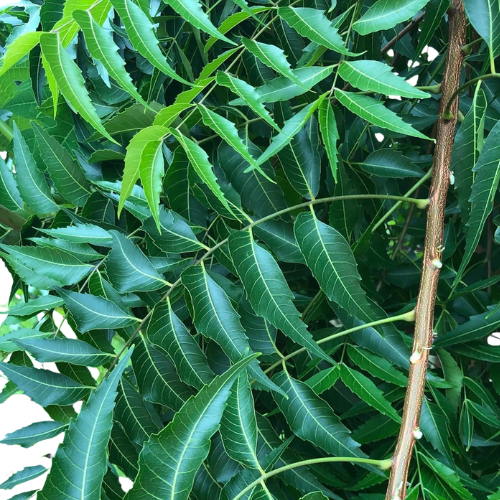
Neem: Known as the “village pharmacy,” it is highly antibacterial and used extensively for skin purification and immune support.
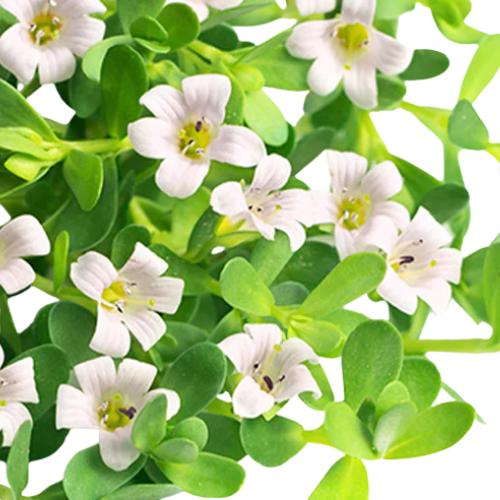
Brahmi: The ultimate brain tonic. It enhances memory, reduces anxiety, and promotes mental clarity and focus.
Rejuvenating Ayurvedic Therapies
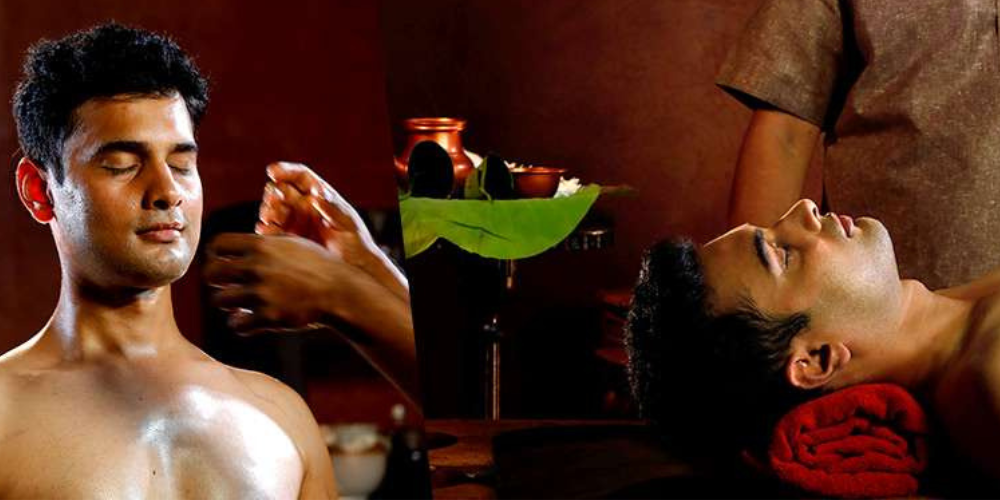
Abhyanga (Therapeutic Oil Massage)
A rhythmic massage using warm, herb-infused oils tailored to your dosha.
Benefit: Increases circulation, stimulates lymphatic drainage, and deeply moisturizes the skin while calming the nervous system.
Image Suggestion: A serene top-down shot of warm oil being drizzled onto a person’s shoulder with smooth, expert hand movements.
Shirodhara (Oil Flow Therapy)
A continuous stream of warm oil is poured gently over the “third eye” (forehead).
Benefit: Induces a state of deep meditative rest, treats insomnia, reduces chronic headaches, and balances mental energy.
Image Suggestion: A close-up of a copper vessel slowly pouring a steady stream of golden oil onto a person’s forehead in a dimly lit, peaceful room.
Panchakarma (Deep Detoxification)
A comprehensive five-step clinical process designed to remove deep-seated toxins (Ama) from the cellular level.
Benefit: It resets the metabolism, strengthens the immune system, and reverses the effects of stress and pollution.
Image Suggestion: A symbolic image showing a bowl of fresh herbs next to a traditional wooden steaming chamber or a set of clean, natural therapy tools.
Mind–Body Connection
Ayurveda recognizes the deep connection between mental and physical health. Stress, emotions, and lifestyle directly influence well-being. Practices like yoga, meditation, and mindfulness are integral to complete healing.
Begin Your Ayurvedic Journey
Experience true healing with our carefully curated Ayurveda and Yoga retreat programs in India, designed to restore balance, vitality, and inner peace.